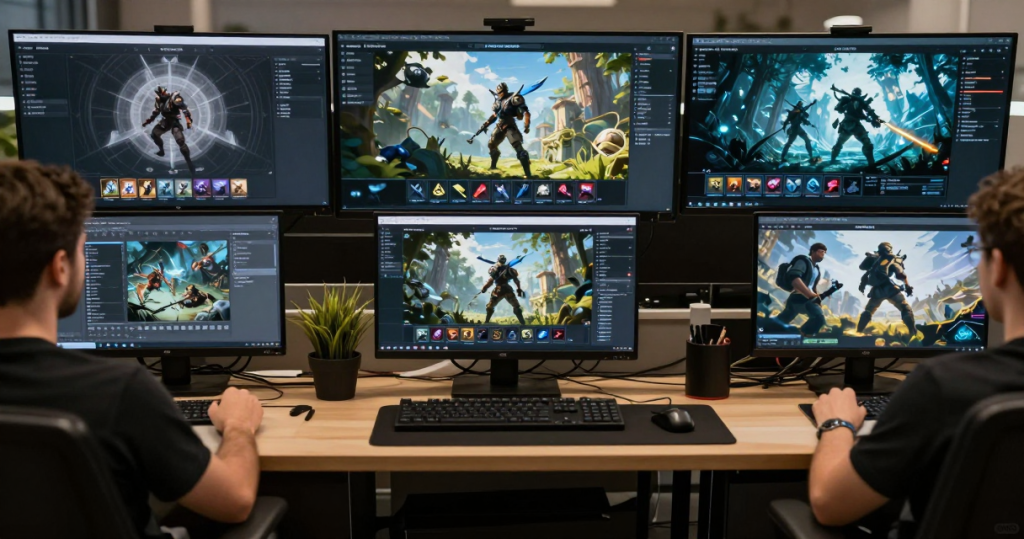
Game patches are a crucial component of the gaming experience, especially for clans that play competitively. These updates not only fix bugs but also introduce new features, balance changes, and adjustments that can significantly impact clan strategies. For clans, adapting to these changes swiftly can mean the difference between victory and defeat in competitive matches. This article explores how game patches influence clan strategies, focusing on the tactical adjustments clans must make in response to these updates.
The Nature of Game Patches
Game patches typically come in two forms: minor updates and major overhauls. Minor updates often resolve bugs or tweak certain game mechanics, while major updates can introduce new content, such as characters, maps, or gameplay modes. For clans, understanding the nuances of these patches is essential. For example, a minor patch may adjust the damage output of a specific character, prompting clans to reconsider their roster composition. Conversely, a major patch could overhaul the entire gameplay experience, necessitating a complete reevaluation of strategies and tactics.
The timing of patches also plays a significant role. If a patch is released shortly before a major tournament, clans may have limited time to adapt. This can lead to a scramble to test new strategies and ensure that all members are on the same page regarding the latest changes. Staying informed about patch notes and understanding their implications is vital for clan leaders and members alike.
Impact on Clan Composition
One of the most immediate impacts of a game patch is on clan composition. Changes in character balance, weapon effectiveness, or even resource availability can lead clans to adjust their team lineups. For instance, if a patch makes a previously underused character more powerful, clans might prioritize including that character in their roster. This dynamic nature of character viability requires clans to remain flexible and willing to experiment with new strategies.
Moreover, clans often need to communicate effectively about these changes. A well-organized clan will have strategies in place for testing new compositions or tactics in practice matches. Failing to adapt quickly can leave clans at a disadvantage, especially in competitive settings where opponents may have already capitalized on the latest patch changes.
Resource Management and Strategy Adaptation
Many game patches include adjustments to resource management, such as changes in resource generation rates or costs associated with upgrades and unit production. Clans must adapt their strategies to these changes to maintain an edge over their competition. For example, if a patch increases the cost of a powerful unit, clans may need to alter their build orders or focus on alternative strategies that utilize less resource-intensive units.
On Judo Sloth Gaming they explain the new battle modes—watch it right here.
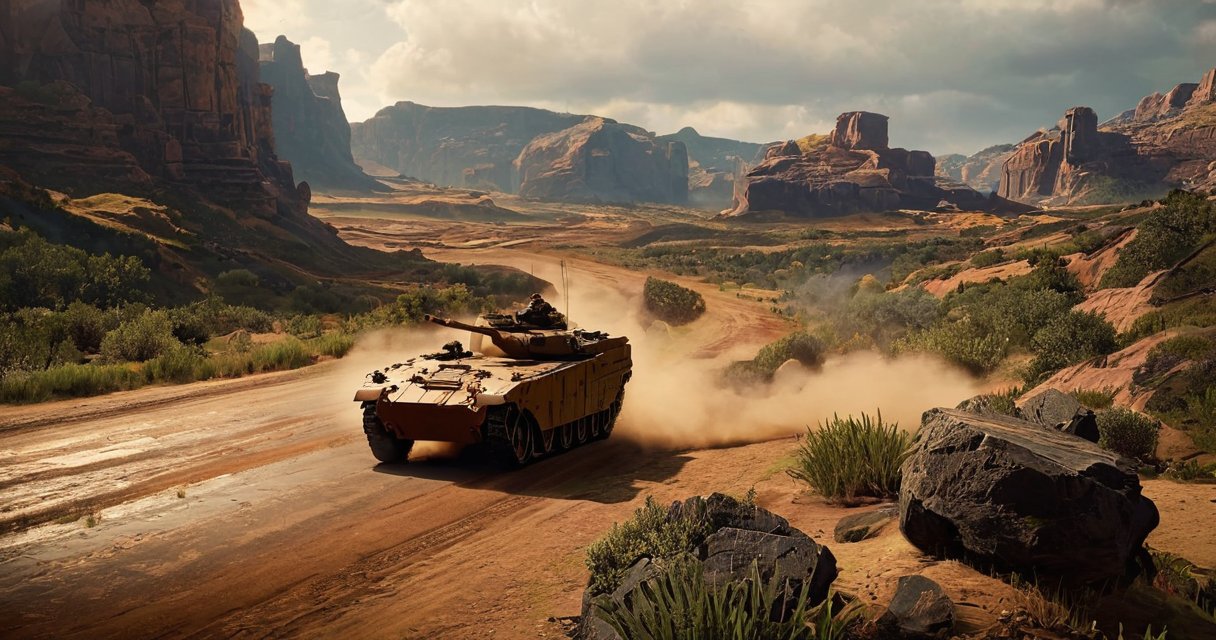
This shift in resource management can also lead to new strategic opportunities. Clans that can quickly identify and exploit these opportunities may gain a significant advantage. For instance, if a patch reduces the time needed to train a specific unit type, clans might shift their focus to a fast-paced strategy that overwhelms opponents before they can adapt. Understanding these dynamics is crucial for clan leaders and strategists.
Tactical Adjustments in Gameplay
Game patches often lead to shifts in gameplay tactics, requiring clans to rethink their approaches to combat and objectives. For example, if a patch buffs a particular weapon type, clans might adjust their playstyle to incorporate that weapon more effectively. This could involve changing engagement distances, altering positioning, or even rethinking how they approach objectives in-game.
Clans that excel at quickly adapting their tactics in response to patches often find themselves at a competitive advantage. This adaptability can be tested during scrimmages, where clans can experiment with new tactics in a lower-stakes environment. The ability to pivot strategies based on patch changes can lead to more effective teamwork and synergy among clan members.
Communication and Clan Coordination
Effective communication is key when navigating the complexities introduced by game patches. Clans must ensure that all members are informed about the changes and understand how they affect overall strategy. This often involves discussions about new tactics, character roles, and resource allocations during clan meetings or practice sessions. Utilizing communication tools like Discord or team forums can help facilitate these discussions.
Moreover, clan leaders play a pivotal role in coordinating responses to game patches. They must assess the patch notes, determine the best course of action, and communicate these strategies clearly to the rest of the clan. This level of organization can lead to a more cohesive team that operates smoothly, even when adapting to significant changes in the game.
Competitive Edge and Psychological Factors
Adapting to game patches can also provide a psychological edge in competitive play. Clans that appear well-prepared and knowledgeable about the latest changes often instill a sense of confidence among their members. This confidence can translate into better performance during matches, as players feel more assured in their strategies and decision-making processes.
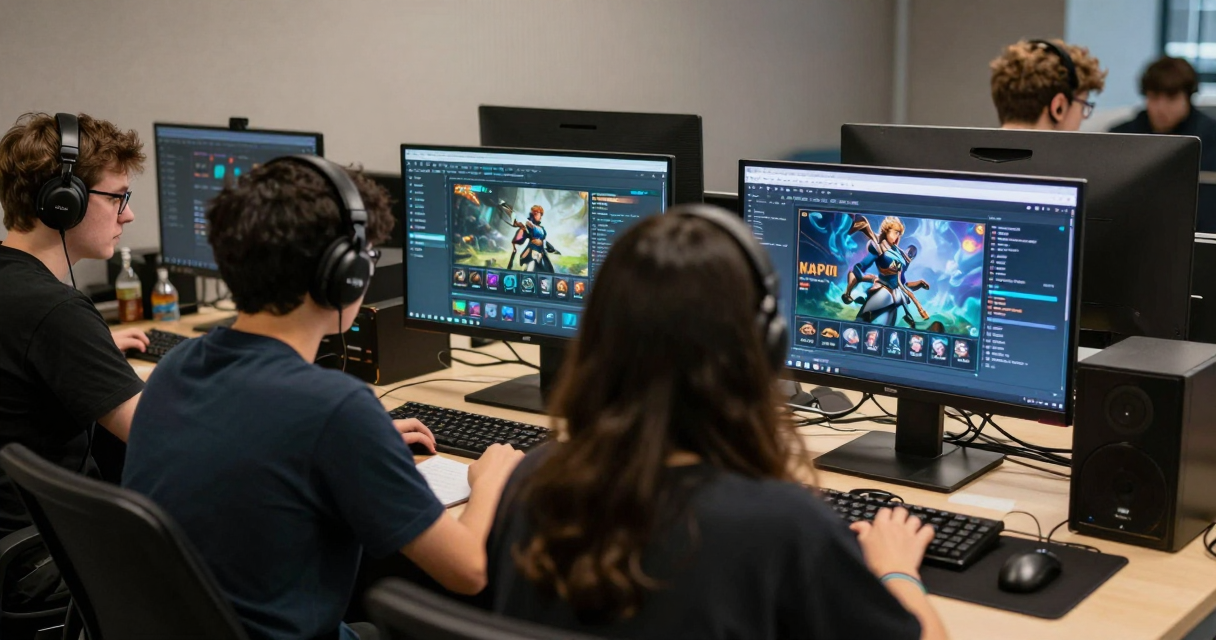
Additionally, being the first clan to effectively adapt to a patch can intimidate opponents. If a clan demonstrates mastery over new strategies or character compositions, rival clans may struggle to counter these tactics, leading to a psychological advantage. Clans that can harness this dynamic often find success in competitive environments.
Long-Term Strategy Planning
While immediate adaptation to game patches is crucial, clans should also consider long-term strategy planning. This involves analyzing patch trends over time to anticipate future changes and prepare accordingly. For instance, if a game consistently sees certain characters getting buffed or nerfed, clans can proactively adjust their strategies to account for these shifts.
Long-term planning may also include training specific skills or developing particular strategies that align with the evolving game meta. By preparing for potential future patches, clans can maintain their competitive edge and ensure that they are not merely reactive but proactive in their approach to gameplay.

Ever since I built my first gaming PC in high school, I’ve been obsessed with the social side of multiplayer games and the bonds formed within competitive clans. I spend my weekends coordinating strategies and exploring how digital communities thrive, focusing on teamwork over individual stats. My goal is to share stories that bring players together and highlight the true camaraderie found in virtual worlds.