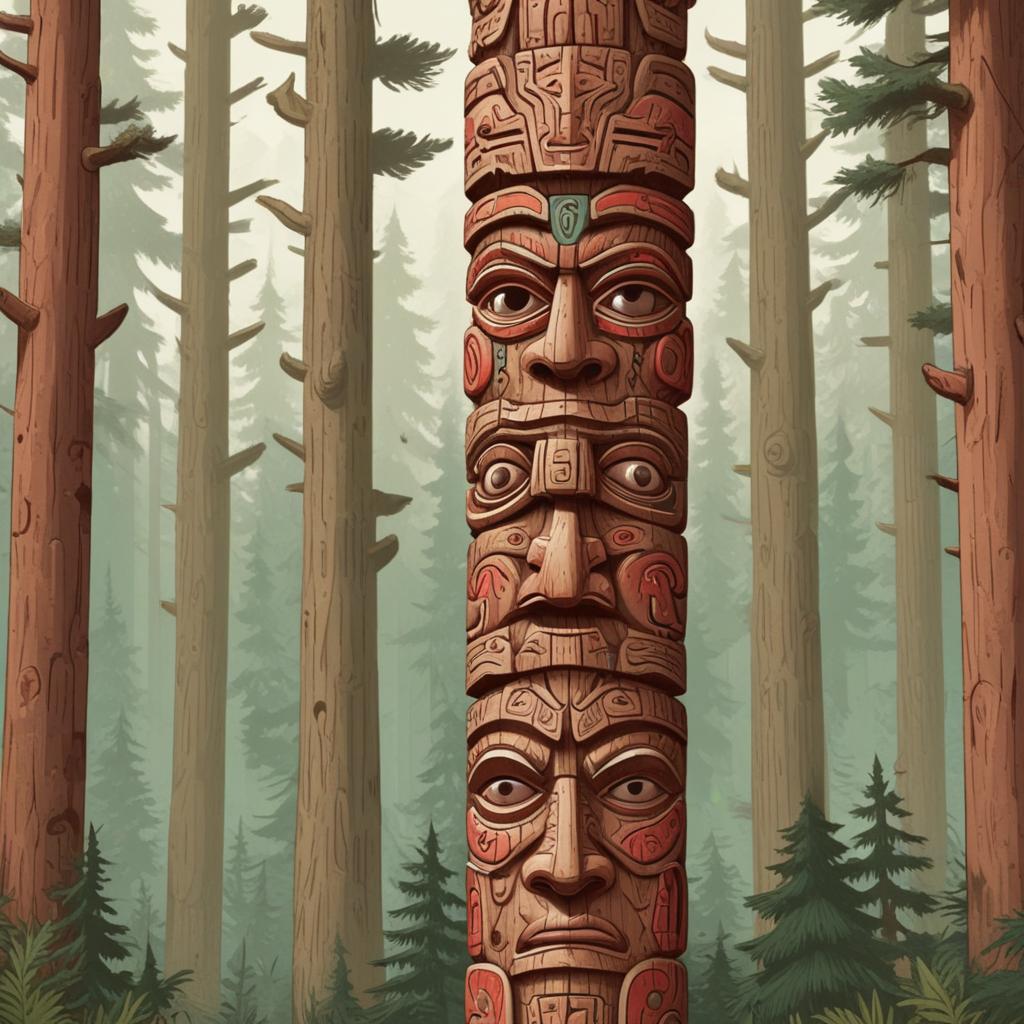
Introduction to Clan Hierarchy Structures
Clan hierarchy refers to the structured organization of social roles and leadership positions within a clan, a fundamental social unit often based on kinship or community ties. This hierarchy establishes clear lines of authority and responsibility, ensuring order and cohesion among clan members. Across many societies and cultures, the clan hierarchy plays a crucial role in maintaining social stability, resolving conflicts, and guiding collective decisions.
The importance of clan hierarchy structures lies in their ability to define leadership roles clearly. Leaders or elders at the top of the hierarchy are typically responsible for making key decisions, while other members carry out various roles ranging from warriors to caretakers, depending on the clan’s tradition and needs. This division of roles based on social structure helps clans effectively manage resources, defend against threats, and uphold cultural values and rituals.
In many cultures, the clan hierarchy symbolizes more than just social order; it represents the identity and continuity of the community. Leadership roles often come with both privileges and duties, requiring leaders to exemplify qualities such as wisdom, courage, and fairness. The social structure within clans fosters a sense of belonging and accountability, encouraging individuals to contribute to the collective well-being.
Understanding clan hierarchy structures reveals how diverse societies organize themselves beyond family ties, illustrating a shared human tendency to create systems that promote cooperation and leadership. Whether in indigenous tribes, medieval societies, or modern social groups, the principles of clan hierarchy remain vital in shaping social interactions and sustaining cultural heritage.
Common Roles in Clan Hierarchies
In clan hierarchies, several key roles form the backbone of social organization, each carrying distinct responsibilities and levels of authority. Understanding these clan roles is essential to grasp how clans function and maintain order within their communities.
At the top of the clan hierarchy is the chief, who serves as the primary leader and decision-maker. The chief holds the highest social status and is entrusted with the overall welfare of the clan. Responsibilities of the chief include guiding the clan in times of peace and conflict, making critical decisions about alliances and disputes, and representing the clan in external affairs. Chiefs are often chosen based on lineage, leadership qualities, or a demonstrated ability to lead effectively.
Just below the chief are the elders, a group respected for their wisdom and experience. Elders act as advisors to the chief and play a crucial role in maintaining traditions and cultural practices. They mediate disputes within the clan and provide counsel on important matters. Their social status is significant, and they often earn this through years of dedicated service and knowledge passed down through generations. Elders ensure continuity and stability within the clan by fostering respect and unity among members.
Another vital role within clan structures is that of the warriors, who are charged with the protection and defense of the clan. Warriors maintain security against external threats and often participate in raids or battles to secure resources or territory. Although their social status might not be as elevated as the chief or elders, warriors are highly valued for their bravery and strength. Their role is essential in safeguarding the clan’s interests and maintaining its power.
Beyond these primary roles, clans may include other positions such as hunters, artisans, and messengers, each contributing uniquely to the clan’s survival and prosperity. While the chief leads, elders advise, and warriors defend, every role collectively supports the social fabric and functionality of the clan. Together, these roles create a dynamic hierarchy that balances leadership, wisdom, and strength.
Clan Chief or Leader
The clan chief holds a pivotal role within the clan hierarchy, serving as the primary leader and decision-maker. As the clan chief, their leadership duties encompass guiding the clan’s overall direction, ensuring unity, and maintaining the clan’s values and traditions. Their authority is recognized and respected by all clan members, granting them the power to make critical decisions that impact the clan’s welfare and strategic objectives.
The leader duties of the clan chief include mediating disputes, organizing clan activities, and representing the clan in external affairs or alliances. They are responsible for setting the tone of leadership through example, inspiring loyalty and commitment among members, and fostering a sense of community and shared purpose. Their influence extends beyond mere decision-making; it shapes the clan’s culture and long-term vision.
Authority vested in the clan chief allows them to enforce rules and policies, allocate resources, and appoint sub-leaders or officers to assist with clan management. This centralized power is vital for maintaining order and effectiveness within the clan structure. Ultimately, the clan chief’s role is to lead with wisdom, balancing firmness and fairness to uphold the clan’s strength and reputation.
Elders and Advisors
Within the clan hierarchy, elders and advisors hold a distinguished and respected position. These individuals are typically seasoned members who have accumulated extensive experience and wisdom over many years. Their primary role revolves around providing guidance and insight, ensuring that clan governance is conducted smoothly and effectively. Elders and advisors act as the backbone of decision-making processes, offering counsel that reflects the clan’s traditions, values, and long-term interests.
In terms of clan governance, elders and advisors contribute by mediating disputes and facilitating discussions among clan members. Their involvement helps to maintain harmony and prevent conflicts from escalating, fostering a cooperative and united community. Because of their impartiality and deep understanding of clan dynamics, they are often called upon to resolve conflicts fairly and judiciously, reinforcing the clan’s internal stability.
The influence of elders and advisors extends beyond conflict resolution. They play a crucial role in mentoring younger members and helping new recruits integrate into the clan structure. By preserving customs and passing down knowledge, they ensure the continuity of the clan’s heritage and foster a legacy of leadership rooted in respect and responsibility. Ultimately, elders and advisors exemplify the values of loyalty and dedication that are essential for the clan’s longevity and success.
Warriors and Protectors
Warriors play a crucial role within the clan hierarchy, acting as the primary line of defense against any threats. These brave individuals are responsible for maintaining the security of the clan’s members and territory, ensuring that all areas remain safe from external dangers. The warriors’ training focuses on combat readiness, strategic defense methods, and quick response to emergencies, making them indispensable when it comes to clan defense.
Beyond physical strength and combat skills, warriors also serve as protectors who uphold the clan’s values and traditions by guarding against internal conflicts and ensuring peace within the community. Their presence fosters a sense of security among clan members, allowing others to focus on their roles without fear. This security role often requires warriors to patrol clan boundaries, monitor suspicious activities, and intervene whenever safety is compromised.
Clan defense is not solely about brute force; it integrates tactical planning and cooperation with other security roles to form a comprehensive protective network. Warriors must collaborate closely with scouts and messengers to anticipate threats and prepare effective countermeasures. Their unwavering dedication and vigilance make them the backbone of the clan’s defense strategy, protecting the clan from harm and preserving its longevity and prosperity.
Variations of Clan Hierarchies Across Cultures
Clan variations are prominent across different cultures, reflecting the rich tapestry of human societal organization. Each traditional clan structure is shaped by historical contexts, environmental factors, and cultural values, resulting in unique leadership models and social dynamics. Understanding these cultural differences is essential to appreciating how clans operate around the world.
In many Indigenous cultures, clans form the core social units, often linked to kinship and ancestral lineage. For instance, Native American clans frequently organize around matrilineal descent, where leadership and inheritance pass through the mother’s line. This system emphasizes the role of women in clan continuity and often features clan mothers who hold significant authority, contrasting with more patriarchal clan models found elsewhere.
Conversely, traditional Scottish clans highlight patrilineal descent and a hierarchical structure centered on a clan chief. These chiefs are typically hereditary leaders responsible for maintaining the clan’s honor, mediating disputes, and leading in times of conflict. Beneath the chief, various tiers of chieftains, elders, and warriors form a clear chain of command, illustrating a distinctly hierarchical clan variation deeply rooted in feudal traditions.
In African cultures, clan variations are often tied to extended family groups that oversee communal land, rituals, and social obligations. The leadership model can vary significantly, from elders councils offering collective governance to singular clan heads who wield considerable influence. For example, the Igbo clans of Nigeria practice a system that blends democratic elements with respect for age and wisdom, reflecting cultural differences in leadership styles within traditional clans.
Asian clan systems, such as those in China and Korea, show another dimension of clan hierarchy with an emphasis on ancestor worship and family reputation. These clans tend to be highly structured, with clearly defined roles for elders, parents, and younger members. Leadership is often vested in the eldest male, who acts as the guardian of clan traditions, property, and rituals, reinforcing the cultural value placed on filial piety and social harmony.
These diverse clan variations underscore how cultural differences shape traditional clans into unique social institutions. Whether through matrilineal or patrilineal descent, collective elder councils or hereditary chiefs, clan hierarchies around the world illustrate the rich array of leadership models adapted to fit their specific cultural environments and historical experiences. Exploring these structures helps highlight the importance of clan identity and governance in maintaining social cohesion and cultural heritage globally.
Indigenous Clans and Their Hierarchies
Indigenous clans around the world have developed intricate tribal hierarchy systems that have guided their social organization and native leadership for centuries. In Native American cultures, for example, clans often play a pivotal role in governance and decision-making. The Iroquois Confederacy is a prime example, where clan mothers hold significant power, choosing leaders and advising on tribal matters, showcasing a matrilineal system distinct from Western models of leadership.
Across Africa, indigenous clans also exhibit complex hierarchical structures often intertwined with age sets, families, and chiefs. Among the Maasai, a well-known tribal group, leadership is traditionally held by councils of elders who maintain order and settle disputes, reflecting a communal approach to leadership rooted in respect for experience and wisdom. This tribal hierarchy ensures the clan’s customs, laws, and traditions are upheld and passed down systematically.
Similarly, indigenous groups in Oceania and Asia maintain native leadership systems that emphasize collective responsibility and clan membership. In Papua New Guinea, for instance, clans manage resources and resolve conflicts through elders and chiefs who act as intermediaries between the clan and external groups. These systems underline the importance of kinship and social roles within indigenous clans, where leadership is less about individual authority and more about serving and preserving the clan’s welfare.
Overall, indigenous clans demonstrate diverse approaches to tribal hierarchy and native leadership, often emphasizing communal values, longevity of tradition, and the integral role of kinship bonds in maintaining social cohesion.
Modern Adaptations of Clan Leadership
Traditional clan hierarchies have undergone significant evolution to remain relevant in modern settings. Modern clans, whether in gaming communities, cultural groups, or social organizations, have adapted their leadership structures to reflect the values and dynamics of contemporary society. These adaptations often involve a blend of respect for historical roles with an openness to more collaborative and inclusive forms of leadership.
In contemporary hierarchy frameworks, leadership tends to be less rigid and more flexible, allowing for greater participation from members regardless of age or status. This shift recognizes the need for social adaptation in an era marked by rapid communication and cultural exchange. Leaders in modern clans often act more as facilitators or coordinators rather than authoritarian figures, promoting teamwork and shared decision-making.
The role of clan leaders has also expanded to encompass responsibilities such as conflict resolution, community-building, and fostering a sense of identity and belonging. This evolution ensures clans can thrive within larger, diverse social networks while maintaining their core traditions. By blending traditional values with contemporary leadership principles, modern clans sustain their relevance and effectiveness in today’s communities.
Ever since I built my first gaming PC in high school, I’ve been obsessed with the social side of multiplayer games and the bonds formed within competitive clans. I spend my weekends coordinating strategies and exploring how digital communities thrive, focusing on teamwork over individual stats. My goal is to share stories that bring players together and highlight the true camaraderie found in virtual worlds.