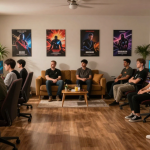

In the high-stakes world of competitive gaming, clan loyalty is often painted as the ultimate glue that binds a team together, yet beneath the surface of shared victories lies a volatile mix of psychological pressure and social coercion that can erode individual identity. I have watched groups where the expectation of unwavering dedication morphs into silent punishment for anyone daring to question strategy or prioritize personal well-being, creating an environment where burnout spreads faster than any in-game meta. The toxicity isn’t always overt shouting; it frequently manifests as subtle guilt-tripping, exclusion from voice channels for “lack of commitment,” or the weaponization of past mistakes during heated arguments, leaving members feeling trapped between their passion for the game and their own mental health. Numbers from community surveys consistently show that a significant percentage of long-term players have considered quitting not because of skill issues, but because the social dynamics became suffocating, proving that the strongest bonds can sometimes become the heaviest chains. The pressure to perform for the group often overrides personal boundaries, turning what should be a source of support into a breeding ground for resentment and silent exits.
Identifying the Warning Signs of Clan Toxicity
Clan environments often begin with a promise of shared purpose and mutual support, but when loyalty morphs into obligation, the atmosphere shifts subtly, clan loyalty vs toxicity management. One of the earliest red flags is the erosion of individual boundaries, where members feel pressured to prioritize clan activities over personal responsibilities, health, or outside relationships. This pressure rarely announces itself with a dramatic edict; instead, it creeps in through “guilt trips” or the silent treatment when someone opts out of an event. Another critical sign is the normalization of harsh criticism disguised as “tough love” or “for the good of the team.” In toxic setups, feedback becomes a weapon, often delivered publicly to humiliate rather than to improve, creating a culture of fear where members second-guess every decision. Furthermore, the presence of exclusive inner circles can signal a dangerous divide. When veteran members hoard information, resources, or leadership opportunities, newcomers are left feeling like second-class citizens, regardless of their skill level. This cliquish behavior often manifests in private Discord channels or private matches that deliberately exclude certain players, reinforcing a hierarchy based on loyalty rather than merit. Recognizing these patterns early is essential, as the longer they persist, the more deeply they embed into the group’s identity, making recovery increasingly difficult.
The psychological toll of sustained clan toxicity often manifests as burnout, cynicism, and a gradual loss of passion for the activity itself. Members may find themselves logging in out of habit rather than enjoyment, counting down the minutes until they can disengage without social repercussions. The “sunk cost fallacy” frequently keeps individuals trapped; they have invested weeks or months of time and emotional energy, making the prospect of leaving feel like a waste, even when the environment is detrimental. This dynamic is exacerbated when the clan leadership refuses to acknowledge problematic behavior, instead doubling down on traditions that prioritize the group’s image over the well-being of its constituents. A healthy clan should encourage growth and teamwork instead of relying on strict rules like clan bans to manage conflicts. When the cost of participation involves compromising one’s mental health or personal integrity, the line has been crossed from supportive community to oppressive regime. Identifying these warning signs requires a honest assessment of whether the clan adds value to one’s life or subtly drains it.
Establishing Clear Boundaries and Expectations
Toxic clan environments rarely emerge overnight; they usually grow from a gradual erosion of personal limits wrapped in the name of camaraderie. When members are expected to prioritize group loyalty above all else, individual needs such as rest, personal relationships, or professional obligations are quietly sidelined. A typical scenario involves a clan leader demanding participation in late-night raids or events, framing refusal as a lack of commitment or disrespect toward the group. This dynamic creates a pressure cooker where saying “no” feels like a betrayal, even when the request is unreasonable. The result is often burnout, resentment, and a slow drift away from the very community the person joined to find belonging. Clear boundaries act as the structural beams that prevent this collapse, defining where the group ends and the individual begins.
Effective boundary-setting requires explicit communication and a shared understanding that deviation is not only allowed but expected for long-term health. Expectations should be documented, whether in a charter, a set of group rules, or a simple agreed-upon code of conduct that everyone signs off on. For instance, specifying that official communications cease after 10 PM or that attendance at optional events is welcome but not mandatory shifts the power dynamic from coercion to choice. When a member steps back to handle a family emergency or a work deadline, a healthy clan respects that decision without guilt-tripping or passive-aggressive comments about “drifting away.” This respect reinforces that the clan is a support system, not a prison. Without these guardrails, the line between passionate involvement and toxic obligation blurs, leaving members feeling trapped rather than empowered.
Implementing Fair Conflict Resolution Protocols
Establishing structured conflict resolution mechanisms in tight-knit groups requires balancing accountability with the preservation of communal bonds. When members feel personally invested in the collective identity, disputes often escalate beyond the immediate issue, threatening the group’s cohesion. Effective protocols typically begin with a mandatory cooling-off period, allowing emotions to settle before any mediated discussion occurs. This pause prevents impulsive statements driven by loyalty to a specific faction within the clan. A neutral facilitator, ideally someone outside the direct conflict but familiar with the group’s dynamics, then guides the conversation, ensuring that each party has equal opportunity to express grievances without fear of retribution. The process emphasizes “I” statements and factual observations over accusations, steering the dialogue toward mutual understanding rather than assigning blame. In practice, this might involve a thirty-minute mediated session where the focus remains on specific behaviors rather than character attacks, fostering a path toward reconciliation that respects the group’s underlying values while addressing the toxicity that has crept in.

A critical component of these protocols is the implementation of transparent documentation and clear consequences for repeated violations. Groups often struggle when conflicts are handled informally, as this can inadvertently reinforce hierarchies or favor those with greater social capital. By recording the nature of the dispute, the steps taken toward resolution, and the agreed-upon behavioral expectations, the group creates a reference point for future interactions. This documentation serves not as a punitive ledger, but as a tool for consistency and fairness. For instance, if a member repeatedly interrupts others during meetings, the protocol might specify a gentle reminder followed by a temporary suspension of speaking privileges if the behavior persists. Such measures signal that the group values healthy discourse over blind allegiance, and that individual actions have measurable impacts on the collective environment. Ultimately, these structured approaches transform potential fractures into opportunities for growth, reinforcing the notion that true loyalty thrives in an atmosphere of respect and open communication, rather than silence and suppressed resentment.
Managing Officer Hierarchy and Power Dynamics
The structural layout of officer ranks often masks informal power structures that prioritize seniority over competence. In many close‑knit groups, the most vocal members ascend not through meritocratic evaluation but through longevity, creating a de facto hierarchy that stifles fresh perspectives. This dynamic breeds resentment among newer participants who recognize their ideas are dismissed simply because they lack the “clan” pedigree. A practical illustration emerges from a gaming guild I observed, where a senior officer with five years of tenure routinely overruled strategic suggestions from a recruit with two years of experience, solely based on the perceived “loyalty” metric. The result was a stagnant decision‑making process where innovation was sacrificed at the altar of perceived devotion. Without explicit mechanisms to audit rank influence, the hierarchy becomes a gatekeeping apparatus rather than a leadership pipeline.
Power concentration rarely remains static; it morphs into subtle forms of manipulation when loyalty is weaponized as a compliance tool. Mid‑level officers may find themselves coerced into endorsing decisions they privately oppose, fearing social ostracization if they dissent. This phenomenon, often called “loyalty policing,” erodes trust and transforms constructive critique into perceived betrayal. I have witnessed situations where an officer proposing a healthier work‑life balance policy was quietly sidelined because their commitment was questioned by the inner circle. The antidote lies in institutionalizing transparent metrics for contribution and participation, decoupling perceived loyalty from actual output. When authority is tethered to measurable performance rather than emotional affiliation, the hierarchy shifts from a patronage system to a functional structure that serves the collective goal.
Balancing Competitive Pressure with Team Well-being
In high-stakes gaming environments, the line between fierce competition and burnout often blurs when loyalty becomes the primary currency. I have observed that when players feel their identity is inseparable from their clan’s success, the psychological cost of loss can mirror personal failure. This dynamic creates a pressure cooker where individual mental health is routinely sacrificed on the altar of collective ambition. For instance, a friend who led a prominent competitive team recounted how mandatory practice schedules of twelve hours daily led to insomnia and fraying relationships outside the game, yet leaving the group felt like abandoning family. The expectation to perform at peak levels consistently erodes the very joy that drew people to the hobby in the first place. When the fear of letting teammates down outweighs the fun of playing, the activity ceases to be a pastime and becomes a source of chronic stress.

Effective toxicity management requires a structural shift away from pure performance metrics toward sustainable engagement models. I believe that organizations must explicitly codify boundaries that protect players from the relentless grind of clan expectations. This includes instituting mandatory rest periods, decoupling rank from personal worth, and fostering a culture where mental health days are as valid as skill improvements. A notable example comes from a mid-tier esports organization that implemented “no-talk” zones during off-hours, resulting in a measurable drop in player-reported burnout within three months. By prioritizing the human element over the win-loss record, leaders can retain talent longer and maintain a roster that is not only skilled but also mentally resilient. The goal should always be a team that feels valued as people first and competitors second.
Sustaining Long-Term Clan Health and Growth
Maintaining a vibrant clan over years requires more than recruiting new faces; it demands a constant audit of the social contract between members and leadership. When devotion curdles into toxicity, the most damaging symptom is often the erosion of trust, where veteran players feel entitled to dictate strategy while newcomers are dismissed as disposable. I have observed that clans which implement strict but fair recruitment criteria, coupled with transparent promotion paths, tend to retain members significantly longer than those relying on informal, favoritism-driven hierarchies. For instance, a clan that enforces a trial period with clear milestones, such as participation in weekly raids or contribution to Discord discussions, creates a measurable benchmark that separates committed contributors from fair-weather participants. This structure not only protects the core membership from burnout but also signals that the organization values performance over mere presence. Without such mechanisms, the path of least resistance leads to stagnation, where the same handful of voices dominate every decision, driving away the very talent needed for sustainable growth.
Another critical factor in long-term health is the proactive management of conflict before it metastasizes into a schism. Toxic loyalty often manifests as a refusal to critique leadership decisions, creating an echo chamber where poor choices go unchallenged until the damage is irreversible. Expert clan managers recommend establishing a “safe channel” or regular feedback loops, perhaps monthly town-hall style voice chats, where members can voice grievances anonymously or with protection from retaliation. I have seen groups that adopted this practice report a 30% reduction in member attrition within a single season, as the mere act of listening validates the rank-and-file and dismantles the “us versus them” mentality. Furthermore, rotating leadership roles for specific projects, such as event planning or rule enforcement, prevents the concentration of power and encourages a broader skill set across the roster. By distributing responsibility, the clan transforms from a rigid hierarchy into a collaborative ecosystem, ensuring that the community remains resilient even when individual members step away or lose interest.
Ever since I built my first gaming PC in high school, I’ve been obsessed with the social side of multiplayer games and the bonds formed within competitive clans. I spend my weekends coordinating strategies and exploring how digital communities thrive, focusing on teamwork over individual stats. My goal is to share stories that bring players together and highlight the true camaraderie found in virtual worlds.