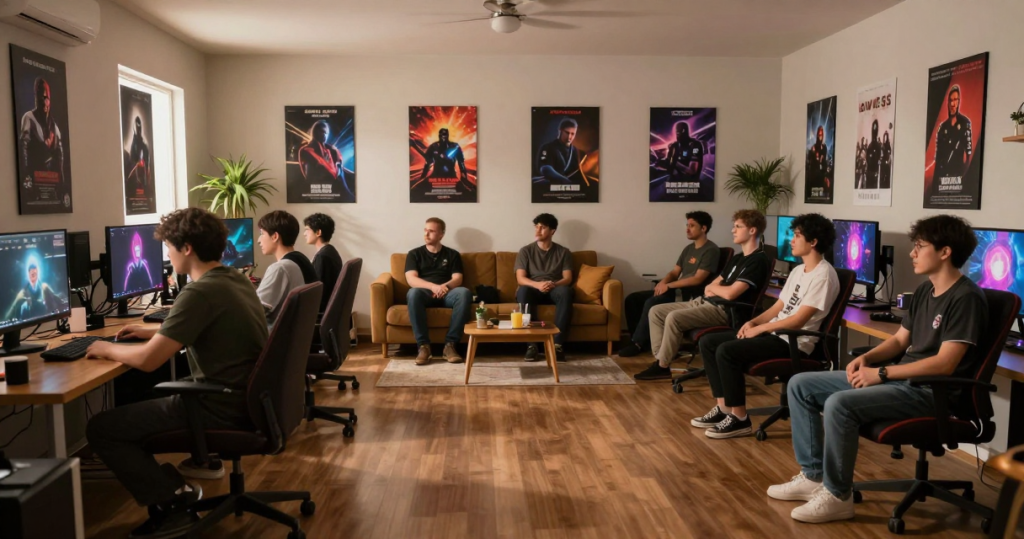
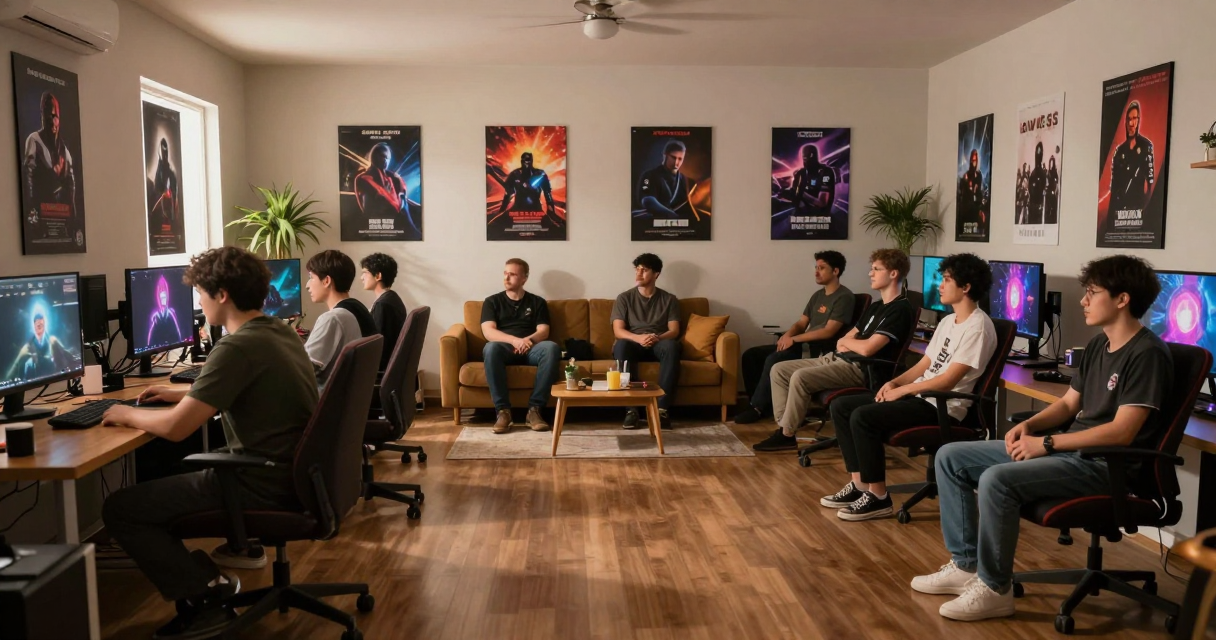
Clans that start with high energy often dissolve within eighteen to twenty-four months, and the pattern repeats across genres from competitive shooters to casual MOBAs. The primary drivers behind this attrition are rarely external; they stem from internal structural flaws that erode trust and participation over time. Understanding the reasons gaming clans fail long-term requires looking past the obvious excuses like “everyone got busy” and digging into how leadership, communication, and role definition actually function in practice. Most founders treat a clan like a friend group rather than a semi-organized team, which sets the stage for slow decay rather than sudden collapse. This analysis breaks down the specific dimensions where successful communities differ from those that quietly disappear.
Leadership Centralization Versus Distributed Authority
Many clans rely on a single founder who handles everything from recruiting to schedule coordination, creating a fragile point of failure. When that leader hits burnout or moves to a new game, the entire structure often crumbles because no one else knows how to operate the daily mechanics. A distributed model spreads decision-making across two or three officers, each owning a specific domain like roster management or event planning. This approach reduces the cognitive load on any single person and ensures continuity when one leader steps back temporarily. The trade-off is slower decision speed, but for long-term survival, resilience beats agility every time in community building.
Founders who never formally delegate often discover they are bottlenecks for every minor dispute or scheduling conflict. Members learn to route all issues through the top, which means a two-hour delay in response can stall an entire practice session. By defining clear roles early, you create redundancy that protects the group from individual absence. Watch for signs of over-reliance: if removing one name from the leadership list leaves a blank space in your operations, you need to fill it with actual responsibility, not just titles.
Communication Cadence and Channel Hygiene
Chaotic communication is a silent killer of engagement, where important announcements get buried under hundreds of memes and casual chats. Successful clans separate their channels by function: one for logistics, one for social banter, and one for urgent updates. This separation allows members to mute the noise without missing critical information about tournament deadlines or patch notes. When everything happens in a single general chat, the signal-to-noise ratio drops until people stop reading altogether. Establishing a routine for posting key info at consistent times helps members know exactly when to pay attention.
The lack of written documentation forces constant repetition, which breeds resentment among veteran members who feel they are explaining the same rules daily. A simple shared document outlining core rules, schedule preferences, and escalation paths solves this without requiring a complex wiki system. When new players join, they can read the doc instead of interrupting active conversations for basic questions. This reduces friction for newcomers and protects the focus of experienced players who need quiet time to practice. The goal is not to eliminate all chat, but to make the essential information accessible at any time without asking anyone.
Schedule Consistency Against Flexibility Needs
Rigid weekly schedules work well for competitive teams but often fail for casual communities where members have varied life obligations. If you mandate a specific hour every Tuesday and someone misses it three times in a row, they will likely stop attending entirely rather than risk repeated guilt. Flexible scheduling, where the group votes on a preferred time each week, accommodates real-world unpredictability but requires higher coordination effort. The sweet spot often lies in having a soft anchor time that most people can hit, with the understanding that one or two misses per month are acceptable without penalty. This balance keeps the group active without forcing it into an unsustainable corporate structure.

Ignoring time zone differences is another common mistake for international clans that span multiple regions. A schedule that works perfectly for the core North American group might land in the middle of the night for European members, effectively excluding them from regular play. Rotating practice times or splitting into regional sub-groups can address this without fragmenting the main community identity. Members feel valued when their local constraints are acknowledged rather than ignored by a one-size-fits-all schedule. If your clan is geographically diverse, build flexibility into the core rules rather than treating it as an exception to handle case by case.
Recruitment Pipeline and Member Onboarding
Poor onboarding turns promising new members into passive spectators within the first week of joining. If a newcomer joins and sits in silence for two days because no one introduced them or explained the group norms, they will assume they are unwelcome and leave. A structured welcome process that includes a brief intro call or a designated mentor for the first three sessions dramatically improves retention rates. The mentor does not need to be a leader; they just need to be someone who takes five minutes to answer questions privately. This small investment prevents the slow leak of potential active members who simply did not know how to participate.
Over-recruiting is just as damaging as under-recruiting, especially when the group lacks the bandwidth to integrate new people properly. Accepting ten new players at once without a plan for their integration creates chaos and dilutes the existing social bonds. It is better to accept two or three high-quality candidates per month who can be properly welcomed than to flood the group with names that never become active participants. Quality over quantity ensures that every member feels seen and valued, which is the foundation of long-term commitment. If your roster grows faster than your ability to engage, you are building a number, not a community.
Conflict Resolution and Social Dynamics
Unresolved interpersonal conflicts poison the atmosphere faster than any game skill issue, yet many leaders avoid addressing them out of fear of drama. A minor disagreement in a match that is never discussed festers until it becomes a public argument in chat, alienating neutral members who just want to play. Establishing a clear, low-stakes process for reporting friction allows issues to be handled privately before they escalate. This does not require formal HR procedures; a simple agreement that anyone can request a private chat with a leader to discuss discomfort is enough. The key is acting quickly and fairly so that trust in the leadership structure remains intact.
Tolerance for toxic behavior often comes from a misplaced desire to keep the group large, but it drives out high-quality players who value a positive environment. If one member consistently belittles others or dominates conversations, the entire group’s morale drops even if most people do not speak up. Setting clear behavioral expectations and enforcing them consistently, regardless of skill level, protects the social fabric of the clan. Newcomers watch how veterans treat each other to gauge whether they fit in, so visible respect sets the tone for everyone else. A smaller group that genuinely enjoys playing together will always outlast a larger group held together by inertia.
Adaptation to Game Meta and Player Interests
Sticking rigidly to a single game when the player base’s interests shift is a common reason for gradual disbandment. If half the clan has moved on to a new title but the group refuses to change its focus, those members will naturally gravitate toward communities that play what they enjoy. Allowing the clan to explore new games or split into sub-groups based on interest keeps the core identity intact while accommodating individual preferences. This flexibility signals to members that their personal enjoyment matters as much as the group’s tradition. A static clan that plays the same game with the same lineup for years will eventually exhaust itself through repetition.

Ignoring meta shifts within a single game also leads to frustration and disengagement, especially in competitive titles where patch notes can drastically change the value of certain roles or strategies. If the group does not discuss how new updates affect their playstyle, members are left to figure it out on their own, which creates a knowledge gap between veterans and newcomers. Regular post-patch discussions help the group adapt collectively and share insights about what is working in the current environment. This keeps the gameplay fresh and gives members a sense of progress rather than stagnation. Adaptability is not about abandoning your identity; it is about evolving with the tools you use to express that identity.
Measuring Engagement Beyond Attendance
Tracking only who logs in for scheduled sessions misses the broader picture of how connected members feel to the community. A player who attends every match but never speaks in chat or participates in social events is present physically but absent socially, and they are likely to leave when something more engaging comes along. Looking at qualitative signals like voluntary participation in off-schedule games, willingness to help new members, and engagement in group discussions gives a truer picture of health. These soft metrics often predict attrition better than hard attendance numbers, so leaders should pay attention to who is pulling their weight socially. If the only interaction is playing the game, the bond is too thin to sustain long-term commitment.
Failure to recognize and celebrate small wins leaves members feeling like cogs in a machine rather than valued contributors. Acknowledging someone for helping a new player adjust, or celebrating a clean win in a low-stakes match, reinforces positive behavior and builds emotional investment. These moments do not need to be formal; a public shoutout in chat or a simple message of thanks goes a long way toward creating a sense of belonging. Without this recognition, members feel their efforts are invisible, which erodes motivation over time. Building a culture of appreciation ensures that people stay because they feel good about being part of the group, not just because they have nothing else to do.

Ever since I built my first gaming PC in high school, I’ve been obsessed with the social side of multiplayer games and the bonds formed within competitive clans. I spend my weekends coordinating strategies and exploring how digital communities thrive, focusing on teamwork over individual stats. My goal is to share stories that bring players together and highlight the true camaraderie found in virtual worlds.