The Importance of Practice Schedules in Gaming Clans
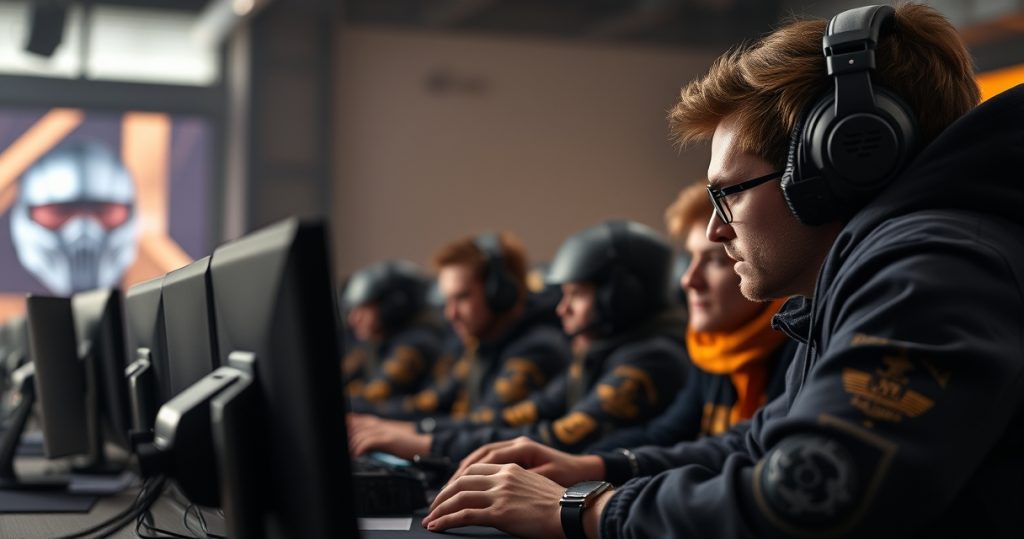
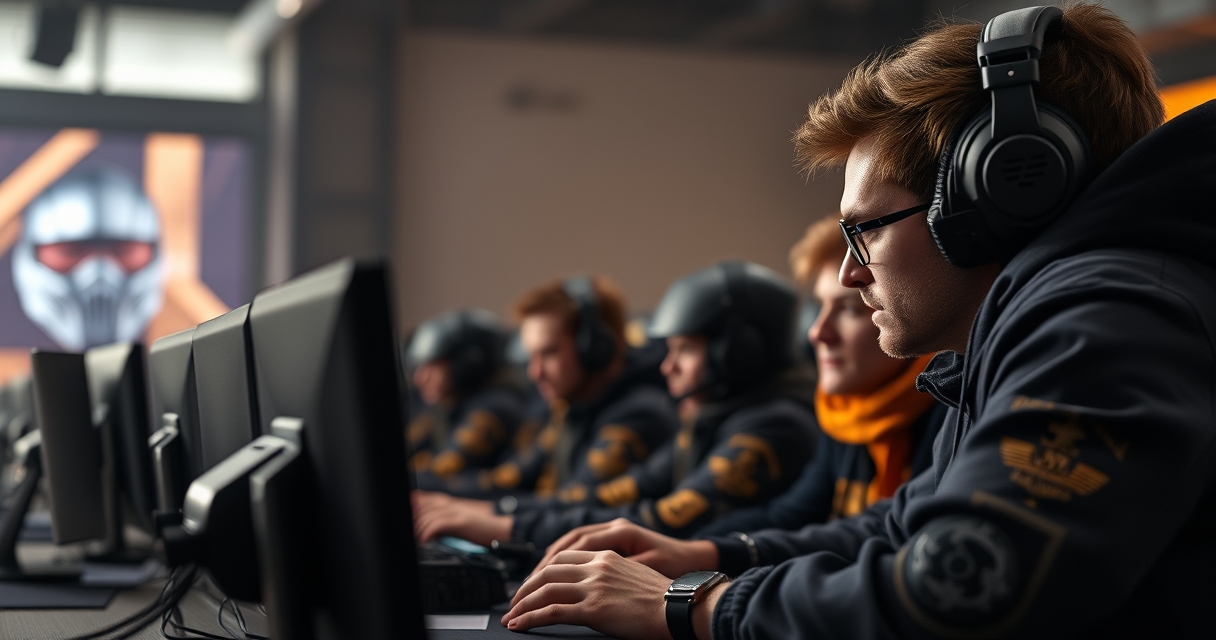
In the competitive world of gaming, practice schedules play a pivotal role in shaping the success of gaming clans. These structured routines not only enhance individual skills but also foster teamwork and synergy among clan members. A well-organized practice schedule can be the difference between a clan that dominates the leaderboard and one that struggles to keep up. By implementing a consistent training regimen, clans can improve their performance, develop strategies, and build camaraderie, all essential elements for achieving their gaming goals.
Setting Clear Goals for Practice Sessions
Before establishing a practice schedule, it is crucial for gaming clans to set clear, achievable goals. These goals should align with the clan’s overall objectives, whether that means improving individual player skills, mastering specific game mechanics, or preparing for upcoming tournaments. By having a defined purpose for each practice session, members can stay focused and motivated. For example, a clan preparing for a tournament might prioritize practicing specific strategies or team compositions that they plan to use during the event.
Additionally, each member should also set personal goals that contribute to the clan’s success. This dual approach ensures that everyone is on the same page and working towards a common objective, which is vital for maintaining morale and commitment within the clan.
Creating a Balanced Practice Schedule
A balanced practice schedule should incorporate various elements of training, including gameplay practice, strategy discussions, and analysis of past performances. A typical weekly schedule might allocate time for different activities, such as solo practice, team drills, and review sessions. For instance, a clan could dedicate three days a week to focused gameplay, one day for strategy meetings, and one day for reviewing recorded matches to identify strengths and weaknesses.
On AJ&Smart they explain facilitation techniques—watch the video right here.
Moreover, it is essential to consider the individual needs of clan members. Some players may require more time for skill development, while others might benefit from strategic discussions. By accommodating these differences, the clan can create an inclusive environment that promotes growth for all members.
Incorporating Variety to Maintain Engagement
Repetitive practice can lead to burnout, so it is vital to incorporate variety into practice schedules. This can involve mixing up training routines or introducing new games and challenges that keep players engaged. For example, a clan might alternate between practicing in their main game and participating in other competitive titles to develop different skills and keep the atmosphere fresh.

Additionally, incorporating fun activities such as mini-tournaments or friendly matches against other clans can help maintain motivation. These events not only provide a break from routine but also allow clan members to apply what they have learned in a competitive setting, reinforcing their skills and strategies.
Effective Communication and Feedback Mechanisms
Communication is a cornerstone of successful practice schedules in gaming clans. Regular check-ins and open lines of communication allow clan members to express their thoughts on the practice sessions and suggest improvements. Establishing a feedback system can help identify what works and what does not, enabling the clan to adjust their schedules accordingly.
Utilizing communication platforms like Discord or dedicated forums can facilitate discussions about practice sessions, strategies, and personal goals. This not only strengthens the bond between members but also ensures that everyone feels valued and heard, which is essential for maintaining a positive team dynamic.
Time Management for Optimal Performance
Time management is crucial for making the most out of practice schedules. Clans should consider the availability and commitments of their members when designing practice times. A flexible schedule that accommodates different time zones or personal obligations can help ensure maximum participation.

Moreover, clans can implement time blocks for different activities within practice sessions. For example, allocating specific time slots for warm-ups, gameplay, and review can help maintain focus and ensure that all aspects of training are covered. This structure not only makes practice more efficient but also helps players develop a routine that they can replicate during tournaments.
Monitoring Progress and Adjusting Schedules
Regularly assessing progress is essential for any practice schedule. Gaming clans should establish metrics to evaluate individual and team performance, such as win rates, skill improvements, and execution of strategies. By monitoring these metrics, clans can identify areas that require additional focus and adjust their practice schedules accordingly.
Additionally, periodic reviews can help the clan celebrate achievements and milestones, reinforcing motivation and camaraderie. Acknowledging progress, no matter how small, can boost the morale of the team and encourage continued dedication to improvement.
Building Team Chemistry through Practice
Finally, practice schedules should prioritize building team chemistry. A cohesive team can outperform a group of individually skilled players who lack synergy. Including team-building exercises within the practice schedule can help foster trust and communication among clan members. Activities like strategy brainstorming sessions or casual gaming nights can create a relaxed environment where players feel comfortable sharing ideas and developing rapport.
Moreover, engaging in activities outside of gaming, such as social events or team outings, can strengthen relationships and enhance teamwork. The stronger the relationships among members, the better they will perform as a unit during competitive play.

Ever since I built my first gaming PC in high school, I’ve been obsessed with the social side of multiplayer games and the bonds formed within competitive clans. I spend my weekends coordinating strategies and exploring how digital communities thrive, focusing on teamwork over individual stats. My goal is to share stories that bring players together and highlight the true camaraderie found in virtual worlds.