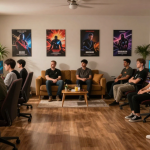

Entering a competitive multiplayer environment often means seeking a group that matches one’s own playstyle and goals. The process of joining a group of strangers, known as clan recruitment, is more than just filling empty slots. It is a social negotiation where both the applicant and the group evaluate compatibility. Understanding the psychology behind what players seek can make the difference between a thriving team and a chaotic collection of individuals. Many players approach this process with a set of unspoken expectations regarding communication, skill balance, and long-term commitment. When these factors align, the experience becomes more than just winning matches; it transforms into a consistent social outlet. For those learning how to attract ideal clan members, the first step is recognizing that players are looking for a sense of belonging alongside competitive fairness.
The Need for Clear Communication Channels
One of the first things players notice when scouting a new group is the quality of communication. In fast-paced shooters or strategy games, a single misunderstood call can lose a round, making clear channels essential. Players want to know that their inputs will be heard and that leaders are willing to listen as much as give orders. A clan that uses voice software effectively, with minimal background noise and clear protocols, signals respect for every member’s time. Conversely, a team that relies on text chat during intense moments often frustrates players who need immediate feedback. The best groups establish a primary method of contact early on, whether it is a dedicated Discord server or an in-game party system, and stick to it consistently. This reliability builds trust and allows strategies to be executed without constant repetition or confusion.
Moreover, the structure of those communication channels often reflects the clan’s internal culture. Some groups prefer a hierarchical approach where commanders give direct orders, while others lean toward a more democratic style where decisions are voted on by the membership. Players who enjoy a strict military-style chain of command may feel out of place in a laid-back environment, and vice versa. Understanding where one fits within these structures is crucial for long-term satisfaction. Recruitment materials that outline these expectations upfront tend to attract more serious candidates. When players see that a clan values organized dialogue, they are more likely to view the group as professional and worth their investment of time.
Skill Compatibility and Growth Opportunities
Beyond communication, the raw skill level of potential members is a major focal point during recruitment. No one wants to join a group where they are constantly carried or, conversely, where they are the only one capable of carrying the team. Players seek a balance where the average skill level challenges them to improve, but does not overwhelm them to the point of burnout. This “zone of proximal development” is a psychological sweet spot where learning happens naturally through observation and practice. Clans that openly share replay analyses or offer coaching sessions often attract players who are hungry for growth rather than just easy wins.
However, skill compatibility is not static. A player’s abilities can shift as they master new characters or strategies, meaning a perfect match today might feel mismatched in six months. Forward-thinking groups address this by implementing regular skill assessments or ladder systems that adjust roles based on current performance. This dynamic approach keeps the roster competitive and members engaged. For those exploring how to attract ideal clan members, highlighting a commitment to player development can be a powerful draw. It shows that the organization values the individual’s potential as much as their current kill-death ratio.
Shared Values and Social Fit
While mechanics and rankings are tangible, the intangible aspect of social fit often determines whether a player stays after the first winning streak. Players spend hours together, often in high-stress situations, so shared values regarding sportsmanship and conduct are vital. A group that tolerates toxicity or cheating will quickly drive away members who prioritize a healthy competitive environment. On the other hand, a clan that enforces a code of conduct creates a safe space where players can focus on improvement without fear of harassment. This psychological safety is a cornerstone of any lasting team.

Additionally, outside-of-game interests can bind a group together. Some clans organize tournaments, charity events, or simply hang out in voice chat discussing games unrelated to the main title. These activities foster camaraderie that transcends the digital battlefield. Players often recall the friendships formed in these moments as the true reward of their gaming journey. When recruiting, mentioning these social pillars can attract individuals looking for more than just a ladder climb. It signals that the group cares about the person behind the avatar, which is a strong motivator for loyalty.
Consistency and Reliability of Attendance
Another psychological driver for players is the certainty that their teammates will show up. There is nothing more demoralizing than preparing for a serious match only to find half the roster offline or AFK. Reliability becomes a form of respect; when a player logs in, they expect their core team to be present and ready. Clans that track attendance and have clear policies on inactivity tend to maintain a more stable environment. This stability allows for proper planning of practice sessions and tournaments, which in turn attracts players who treat gaming as a committed hobby rather than a casual pastime.
Furthermore, the expectation of reliability extends to leadership. Players want to know that if they make a mistake or have real-life obligations, the group will handle it with understanding rather than punishment. A balanced approach, holding members accountable for missed commitments while offering grace for genuine emergencies, creates a healthy tension. It tells players that the clan is serious about its goals but also human. For those focused on how to attract ideal clan members, advertising a track record of consistent participation can be just as appealing as highlighting skill requirements. It reassures potential recruits that their time will not be wasted.
Clear Progression and Reward Structures
Players are often motivated by the promise of advancement, whether it is climbing a competitive rank or earning exclusive in-game cosmetics. A clan that offers a transparent path for progression gives members something to strive for beyond the immediate match. This could include structured scrimmages against other teams, internal leagues, or milestone rewards for active participation. When the rules of the game are clear, how to earn a promotion or gain access to better equipment, players can map out their personal goals within the group’s framework. This clarity reduces ambiguity and keeps the community focused.

Reward structures also encompass recognition. Public shout-outs for clutch plays, “player of the month” features, or simply acknowledging contributions in clan meetings can boost morale significantly. Players want to feel that their effort is noticed by the leadership and the peer group. A system that rewards both skill and effort encourages a wide range of playstyles to thrive. For recruiters, being upfront about these incentives in the application process filters for candidates who are aligned with the group’s goals. It ensures that those who join are doing so for the right reasons, contributing to a more positive overall atmosphere.
Flexibility and Real-Life Balance
In the modern gaming landscape, players juggle careers, studies, and family obligations alongside their hobby. A rigid schedule that demands evening every night can quickly become exclusionary. Players appreciate clans that offer flexibility, understanding that real life sometimes takes precedence. This might mean having multiple squads that run at different times, or a policy that allows players to take a break without losing their spot entirely. Such accommodations show that the group values the person’s wellbeing over pure output.
Flexibility also applies to the types of content the clan engages with. Some weeks might be focused on ranked climbing, while other weeks explore casual modes or new releases. Groups that can pivot their focus based on member interest keep the experience fresh. This adaptability prevents the monotony that leads to player dropout. For those learning how to attract ideal clan members, emphasizing a schedule that respects personal time can be a major differentiator. It positions the clan as a sustainable community rather than a short-term grind session.

Ever since I built my first gaming PC in high school, I’ve been obsessed with the social side of multiplayer games and the bonds formed within competitive clans. I spend my weekends coordinating strategies and exploring how digital communities thrive, focusing on teamwork over individual stats. My goal is to share stories that bring players together and highlight the true camaraderie found in virtual worlds.