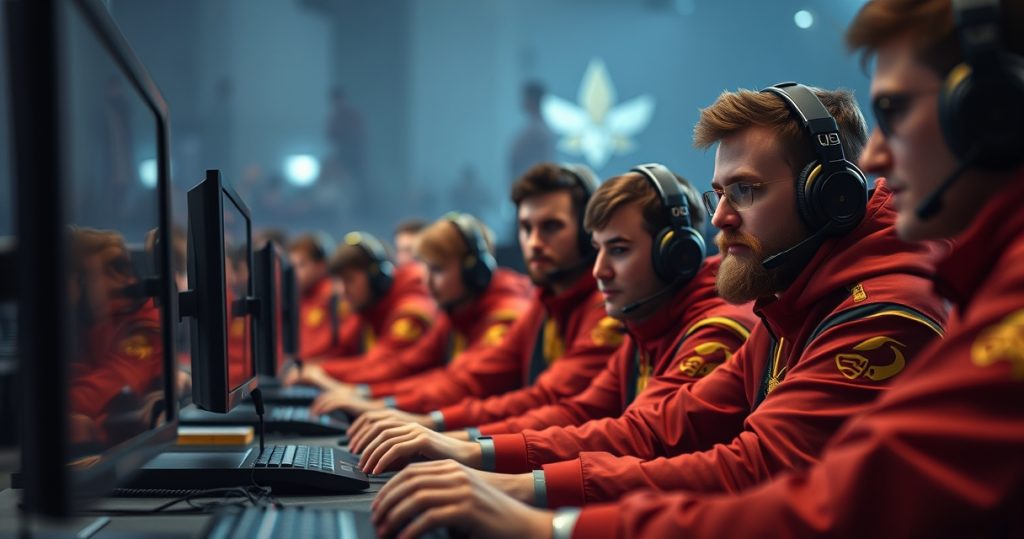

Why Effective Training Decides a Gaming Clan’s Longevity
Every gaming clan remembers the recruit who joined with raw talent but left after two weeks because no one showed them how to use the clan’s voice chat or where to find the weekly scouts. That single dropout costs more than a vacant slot. It erodes team chemistry, forces veterans to carry extra weight in ranked matches, and sends a quiet signal to other members that the clan doesn’t invest in its people. In competitive shooters like Valorant or tactical milsim titles like Arma Reforger, a single untrained player can turn a 5v5 clutch into a 4v6 disaster. Effective training isn’t a luxury; it’s the difference between a clan that fades after three months and one that becomes a fixture in the regional leaderboards for years.
Most clans treat onboarding as a quick Discord tour and a link to the rules channel. That approach works for casual guilds, but competitive clans need a structured pipeline that turns eager recruits into reliable teammates. The best clans measure training success by retention at the 30-day mark, not just the initial sign-up. A well-designed program reduces the time veterans spend answering the same basic questions, frees up officers to focus on strategy, and creates a shared language that makes in-game callouts faster and more precise. When new members know exactly where to find the training schedule, how to report bugs in the custom modpack, and who to ping for role-specific advice, they contribute to wins sooner and stay engaged longer.
Designing a Tiered Training Curriculum for Different Skill Levels
Not every recruit arrives with the same experience. A 15-year-old who just hit Platinum in League of Legends needs different guidance than a 30-year-old returning to PC gaming after a decade on consoles. The most effective clans split their training into three tiers: Foundations for absolute beginners, Core for intermediate players, and Advanced for those who already carry a 2.0 K/D but need to adapt to the clan’s meta. Foundations covers basics like keybinds, sensitivity settings, and how to use the clan’s custom HUD mods. Core drills map awareness, team positioning, and the clan’s preferred loadouts. Advanced sessions focus on niche strategies, like executing a specific rush on Ascent in Valorant or coordinating artillery strikes in Squad.
Each tier should have clear exit criteria. Foundations might require a recruit to complete three bot matches without dying to friendly fire. Core could demand a 1.5 K/D across five ranked games played with the clan’s standard voice comms. Advanced might involve a live-fire exercise where the recruit leads a squad through a custom scenario. These benchmarks prevent recruits from skipping steps and ensure they’re actually ready for the next level. Clans that skip this structure often end up with players who can talk the talk but can’t walk the walk when the pressure is on. A tiered system also lets veterans jump straight to the level that matches their skill, saving everyone time.
Documentation is just as important as the drills themselves. A private wiki or Notion page with screenshots of common choke points, GIFs of successful executes, and written callout conventions helps recruits review material at their own pace. Some clans even record their advanced training sessions and upload them to a private YouTube channel, so members can study the clan’s playstyle between sessions. This self-service approach reduces the burden on trainers and lets recruits learn in the way that works best for them, whether that’s reading, watching, or doing.
Structuring the First 72 Hours for Maximum Retention
The first three days after a recruit joins are critical. Most dropouts happen in this window, usually because the recruit feels overwhelmed or ignored. The best clans assign a dedicated mentor within the first hour. This mentor isn’t just a random veteran; it’s someone who plays the same role as the recruit, whether that’s sniper, support, or flanker. The mentor’s job is to answer questions before the recruit even asks them, like where to download the clan’s custom modpack, how to set up push-to-talk, and what time the next training session is. A quick 15-minute voice call on the first day makes the recruit feel welcomed and gives them a single point of contact for any issues.

Clans that excel at onboarding also use a checklist system for the first 72 hours. The checklist starts with simple tasks like “Join the clan’s Discord server” and “Read the rules channel,” but it quickly moves to interactive steps like “Complete one bot match with your mentor” and “Post a screenshot of your in-game settings in the #tech-support channel.” Each completed task unlocks a small reward, such as access to the clan’s private training server or a custom role in Discord that grants permissions to post in the general chat. This gamification keeps recruits engaged and gives them a sense of progress. It also ensures they don’t miss any critical steps, like setting up two-factor authentication on their Discord account or installing the clan’s custom crosshair.
Voice comms are the biggest hurdle for most new members. Many recruits are hesitant to speak, especially if they’re younger or less confident. The best clans run a mandatory “mic check” session within the first 24 hours. This isn’t a formal training; it’s a casual lobby where recruits can test their audio settings, practice push-to-talk, and get comfortable hearing their own voice in the comms. Some clans even pair this with a fun mini-game, like a round of Fall Guys or a custom hide-and-seek map in CS2, to break the ice. The goal is to make voice comms feel normal, not intimidating. Recruits who don’t speak in their first week rarely ever do, so this early exposure is crucial.
Using Scrimmages and Custom Maps to Teach Clan-Specific Tactics
Scrimmages against other clans are the best way to teach recruits how the clan actually plays. Public matchmaking is too chaotic; recruits need a controlled environment where they can focus on the clan’s specific strategies without worrying about random teammates or smurfs. Most clans schedule at least one scrim per week, but the best ones run two: one for beginners and one for advanced players. The beginner scrim is low-pressure and focuses on fundamentals, like holding angles in Valorant or setting up crossfires in Rainbow Six Siege. The advanced scrim is more intense, with full voice comms, pre-planned executes, and post-game VOD reviews where the clan breaks down what went wrong and what went right.
Custom maps take this a step further. Many clans use workshop maps in CS2 or custom scenarios in Arma 3 to drill specific skills. For example, a Valorant clan might use a map that only has one bombsite, forcing recruits to practice retakes and executes in a controlled setting. A Squad clan might use a custom scenario where the recruit’s squad is pinned down by an enemy machine gun, teaching them how to call for artillery and flank effectively. These maps eliminate the randomness of public matchmaking and let trainers focus on one skill at a time. Some clans even create their own maps using tools like Hammer Editor or the Unreal Engine, tailoring them to the clan’s exact playstyle.
VOD reviews are the most underused tool in clan training. Most clans watch their own replays, but few make it a regular part of the onboarding process. A good VOD review session lasts about 30 minutes and focuses on one or two key mistakes. The trainer pauses the replay, points out the error, and explains how to fix it. For example, in a CS2 review, the trainer might pause when a recruit peeks an angle poorly and show them how to use a smokescreen to block the enemy’s line of sight. The best clans record these sessions and upload them to a private channel, so recruits can rewatch them later. This repetition is key; recruits often don’t absorb feedback the first time, but watching the same mistake three or four times helps it stick.
Building a Mentorship Culture That Scales Beyond the First Week
A mentor’s job isn’t done after the first 72 hours. The best clans keep the mentorship relationship alive for at least 30 days, with weekly check-ins to see how the recruit is adjusting. These check-ins don’t have to be formal; a quick DM asking “How’s the new sensitivity setting working for you?” or “Did you try that crosshair I recommended?” is enough. The goal is to make the recruit feel like they have someone to turn to, even after the initial onboarding phase. Some clans even assign a secondary mentor for the second month, someone who plays a different role than the primary mentor. This gives the recruit multiple perspectives and prevents them from getting stuck in one playstyle.
Mentorship should also extend to the clan’s leadership. Officers and senior members should make it a habit to play with recruits at least once a week, even if it’s just a casual match. This visibility reinforces the idea that the clan’s leadership is approachable and invested in the recruit’s success. Some clans formalize this with a “buddy system,” where each recruit is paired with a veteran for their first 10 ranked games. The veteran’s job is to give real-time feedback, like “Don’t push that angle alone” or “Call out when you’re low on ammo.” This immediate feedback accelerates the recruit’s learning curve and makes them feel like part of the team faster.
Scaling mentorship is the biggest challenge for growing clans. A clan with 20 members can assign one mentor per recruit, but a clan with 100 members needs a different approach. The best clans use a tiered mentorship system, where experienced mentors train new mentors. This creates a pipeline of trainers who understand the clan’s culture and can pass it on to the next generation of recruits. Some clans even create a “Mentor Handbook” with common scenarios and how to handle them, like what to do if a recruit is struggling with voice comms or how to give constructive feedback without discouraging them. This documentation ensures that the mentorship program stays consistent, even as the clan grows.
Measuring Training Effectiveness with Data, Not Guesswork
Most clans judge their training program by gut feeling. They assume that if recruits stick around, the training must be working. But gut feeling isn’t enough; the best clans track specific metrics to see what’s actually effective. The most important metric is 30-day retention. If 80% of recruits are still active after a month, the training is working. If only 50% are, it’s time to rethink the approach. Other key metrics include the average time it takes a recruit to reach the clan’s performance benchmarks, like a 1.5 K/D in ranked matches, and the number of recruits who get promoted to full member status within three months.
Clans should also track qualitative feedback. A simple survey sent to recruits after their first week can reveal pain points, like confusion about the training schedule or frustration with the clan’s custom mods. Some clans use Discord bots to collect this feedback automatically, with questions like “On a scale of 1 to 10, how clear were the training instructions?” and “What’s one thing we could improve about the onboarding process?” This feedback loop lets the clan make small adjustments before problems become widespread. For example, if multiple recruits say the training sessions are too long, the clan might split them into shorter, more focused drills.
Performance in scrims is another key indicator. If recruits consistently struggle with the same skills, like executing a specific rush or calling out enemy positions, the training program needs to address those gaps. Some clans use a scoring system for scrims, where each recruit gets points for things like accurate callouts, successful executes, and teamwork. These scores are tracked over time, so the clan can see which recruits are improving and which need extra help. This data-driven approach takes the guesswork out of training and ensures that the clan is investing its time in the most effective ways.
Creating a Feedback Loop That Keeps Training Programs Evolving
A training program that works today might not work next year. Games update, metas shift, and new recruits bring different expectations. The best clans treat their training programs as living documents, constantly updated based on feedback and performance data. One way to keep the program fresh is to hold a quarterly review, where officers and senior members discuss what’s working and what’s not. This review should include input from recent recruits, who can offer a fresh perspective on what was confusing or frustrating during their onboarding.
Clans should also stay plugged into the broader gaming community. Following pro teams, watching tournament VODs, and reading patch notes can reveal new strategies that the clan should incorporate into its training. For example, if a new Valorant patch changes the meta for a specific agent, the clan might add a training session focused on that agent’s new abilities. Some clans even assign a “meta officer” whose job is to track these changes and update the training program accordingly. This proactive approach ensures that the clan’s training stays relevant, even as the game evolves.
Finally, clans should experiment with new training methods. If the current program relies heavily on live scrims, the clan might try adding asynchronous training, like recorded lectures or interactive quizzes. If the mentorship program is struggling, the clan might test a peer-to-peer model, where recruits train each other under the supervision of a veteran. These experiments don’t have to be permanent; the goal is to find what works best for the clan’s specific culture and playstyle. The key is to keep the program flexible and open to change, so it can adapt to the clan’s needs over time.

Ever since I built my first gaming PC in high school, I’ve been obsessed with the social side of multiplayer games and the bonds formed within competitive clans. I spend my weekends coordinating strategies and exploring how digital communities thrive, focusing on teamwork over individual stats. My goal is to share stories that bring players together and highlight the true camaraderie found in virtual worlds.