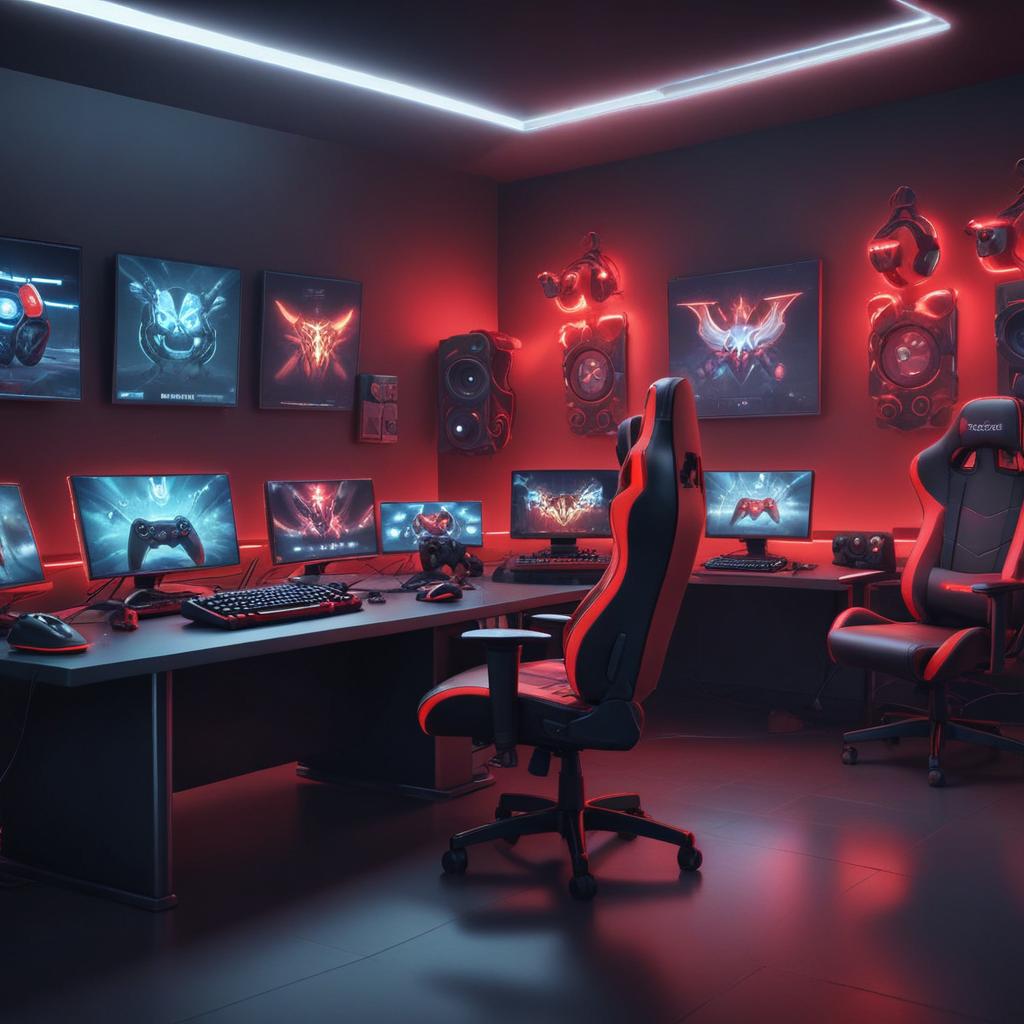
Introduction to Gaming Clans
Gaming clans are organized groups of gamers who come together to play multiplayer games as a team. These online clans serve as communities where members share common interests, skills, and goals within various gaming environments. At their core, gaming clans foster collaboration, communication, and camaraderie among players, allowing them to experience the thrill of competition and social interaction simultaneously.
The purpose of gaming clans extends beyond merely playing games together. They provide a structured environment where players can strategize, practice, and improve as a unit, often participating in tournaments and competitive leagues. This shared commitment to gaming enhances the overall experience by promoting teamwork and collective growth. Clan basics include defining roles, setting rules, and establishing a hierarchy to keep the group organized and motivated.
Many gamers form clans to enhance both their social and competitive experiences. Being part of a clan allows players to connect with like-minded individuals, creating lasting friendships and a sense of belonging. The social aspect of clans often leads to better communication and collaboration, which are vital in fast-paced multiplayer groups. In addition, joining a clan can offer players access to exclusive resources, mentorship, and a framework that supports skill development and competitive success.
Overall, online clans serve as vital hubs for gaming enthusiasts, providing an engaging and dynamic platform for players to unite. Whether new or experienced, gamers find value in the structured environment clans offer, turning solo play into a shared adventure. Through gaming clans, individuals not only enjoy improved gameplay but also cultivate a supportive community that enriches their digital lives.
The Purpose of Gaming Clans
Players join gaming clans for a variety of compelling reasons, with teamwork, social gaming, competitive gaming, and clan goals playing central roles. At the heart of these groups is the desire for social interaction. Clans provide a welcoming community where players can connect with like-minded individuals, forging friendships and sharing experiences beyond the game itself. This social aspect is often what keeps members engaged long-term.
Teamwork is another critical factor drawing players to clans. In many games, success hinges on coordinated efforts among team members. Being part of a clan allows players to develop strategies, communicate effectively, and rely on each other’s strengths. This collaboration not only improves individual skills but also enhances the overall gaming experience, making challenging content more achievable and enjoyable.
Competitive gaming drives many clans as well. Players motivated by competition seek to test their skills against others, climb rankings, and win tournaments. Clans offer a structured environment where members can train, organize matches, and compete collectively. This shared pursuit of victory fosters a sense of pride and accomplishment within the group.
Lastly, clan goals unite members with a common purpose. Whether it’s dominating a particular game mode, completing difficult objectives, or simply creating a fun and supportive space, these goals give direction to the clan’s activities. They help align individual efforts toward a collective vision, strengthening bonds and enhancing commitment.
Popular Games with Active Clans
Clans play a significant role in many popular online games, fostering teamwork, competition, and social interaction. These clan games create a sense of community among players and often drive the esports scene.
- Call of Duty: This multiplayer game is known for its intense clan battles. Clans in Call of Duty boost teamwork and strategy, impacting gameplay by coordinating attacks and defenses in competitive matches.
- World of Warcraft: As one of the oldest MMORPGs, WoW has a rich tradition of guilds (clans) that collaborate on challenging raids and PvP events, enhancing cooperative gameplay and long-term player engagement.
- League of Legends: In this MOBA, esports clans dominate the competitive scene. Clans provide training, strategy development, and support which are essential to success in high-level play.
- Fortnite: Popular for its battle royale mode, Fortnite clans focus on fast-paced team play and tournaments, where coordinated squad efforts significantly impact match outcomes.
- Counter-Strike: Global Offensive (CS: GO): This tactical shooter thrives on clan competition. Clans improve player skills and communication, crucial elements for winning matches in multiplayer games.
Overall, esports clans and clan games enrich the multiplayer experience by building competitive communities that enhance both skill development and social interaction.
Step 5: Forming Your Gaming Clan
Forming a successful gaming clan requires a clear strategy that covers all aspects from setting objectives to organizing the clan’s internal structure. This step-by-step guide will walk you through the essential phases of clan formation, including important practices like clan recruitment and establishing rules to maintain harmony and focus.
- Define Clear Goals and Purpose
Start by outlining the purpose of your clan. Are you competing in tournaments, fostering a social community, or focusing on casual gameplay? Setting well-defined goals helps attract members who share your vision and shapes the clan structure accordingly. - Establish Clan Structure
Once goals are set, determine the clan’s hierarchy and roles. Common positions include leader, co-leaders, recruiters, and officers. A clear clan structure ensures smooth decision-making and accountability, which are vital for clan growth and stability. - Develop Rules and Guidelines
Create a comprehensive set of rules covering behavior, activity expectations, and general conduct. Rules help keep the clan environment respectful and enjoyable, preventing conflicts and misunderstandings among members. - Recruit Members Strategically
Clan recruitment should target players who align with your clan’s goals and values. Use gaming forums, social media, and in-game chats to find potential members. Consider hosting trials or interviews to ensure that recruits are committed and a good fit for the clan culture. - Organize Communication Channels
Effective communication is key for any clan. Set up platforms like Discord or TeamSpeak for voice and text chats to facilitate cooperation and build team spirit. Regular meetings or game nights can also strengthen relationships and keep members engaged. - Maintain and Adapt
After the initial formation, continuously monitor the clan’s progress and adapt rules or structure as needed. Encourage feedback from members and remain flexible to changes in the gaming environment or clan dynamics.
By following these steps, any gamer can embark on the journey of clan formation with confidence. Creating clans isn’t just about numbers; it’s about assembling a committed team that shares a common goal. Proper clan recruitment and a strong clan structure set the foundation for success and longevity in the gaming community.
Defining Clan Objectives and Structure
Establishing clear clan goals is essential for any gaming clan to thrive. Clans begin by defining their mission, whether it’s competitive dominance, social camaraderie, or a mix of both. This shared vision guides all members and helps align their efforts toward common objectives. Once the clan goals are set, leadership roles are assigned to structure the group effectively. Leaders are responsible for coordinating activities, managing recruitment, and resolving conflicts. Depending on the size and ambition of the clan, these roles can range from a single clan leader to multiple officers overseeing different aspects.
Creating a clan hierarchy clarifies responsibilities and streamlines decision-making. It often involves ranks or tiers that members can progress through based on performance, contribution, or tenure. This hierarchical setup not only motivates players but also ensures the smooth operation of the clan. Alongside formal roles, the clan culture forms the foundation of group dynamics. Culture encompasses the values, communication style, and social norms that define how members interact and collaborate. It influences everything from gameplay style to conflict resolution and community events.
Together, well-defined clan objectives, leadership roles, a structured hierarchy, and a distinctive clan culture create an environment where members feel connected and motivated. This holistic approach fosters loyalty, strengthens teamwork, and ultimately helps the clan succeed both in and out of the game world.
Recruiting Members and Building Community
Effective clan recruitment is fundamental to building a strong gaming community. Start by clearly defining your clan’s goals and values to attract like-minded players who resonate with your vision. Utilize platforms such as gaming forums, social media groups, and in-game chat channels to reach potential members. Creating compelling recruitment posts that highlight what makes your clan unique will help in finding members who are not just skilled but also aligned with your community culture.
Maintaining active membership requires continuous engagement. Regularly organize events like tournaments, practice sessions, and casual hangouts to keep members involved and invested in the clan. Encourage open communication through dedicated chat groups or forums where members can share experiences, strategies, and feedback. This ongoing interaction fosters a sense of belonging and commitment within the community.
To foster a supportive clan environment, prioritize respect, inclusivity, and mutual support among members. Implement clear guidelines on behavior and conflict resolution to ensure a positive atmosphere. Recognize and celebrate member contributions, whether through shoutouts or rewards, to boost morale and retention. By cultivating these strategies, your clan will not only grow in numbers but also thrive as a united gaming community.
Using Technology and Platforms
Communication tools are essential for gaming clans to coordinate activities, practices, and events effectively. Among the most popular platforms is Discord, widely regarded as the go-to communication hub for clans. Discord allows teams to create dedicated channels for voice, text, and video chats, making it easier to strategize in real time and maintain continuous interaction. This platform’s versatility and user-friendly interface make it perfect for clans of all sizes.
Beyond Discord, gaming platforms themselves often offer integrated communication features that facilitate clan interaction. Services like Steam and Xbox Live incorporate chat systems and friend lists that help members stay connected and organize matches quickly. These embedded tools provide an easy way to keep players within the gaming environment, reducing the need to switch between external apps during play.
Clan management software is another critical component that enhances organizational efficiency. These specialized tools help manage member profiles, schedules, and event sign-ups, streamlining administrative tasks. By using clan management software, leaders can ensure that practice sessions and tournaments run smoothly, keeping every member informed and accountable.
In summary, the combination of communication tools like Discord, built-in gaming platform features, and dedicated clan management software equips gaming clans with the means to operate efficiently. This technology not only supports daily coordination but also fosters stronger community bonds and improves overall performance in competitive settings.
Challenges and Benefits of Gaming Clans
Gaming clans, while offering a vibrant and engaging community for players, come with their own set of clan challenges. One of the primary difficulties clans face is maintaining effective communication and coordination among members, especially when players are from diverse geographical locations and time zones. This can impact team dynamics, causing misunderstandings or delays in strategy execution during crucial gaming sessions. Additionally, managing different skill levels within the clan poses a challenge as it requires balancing the needs of newer players seeking guidance and experienced members wanting competitive play.
Another common clan challenge is sustaining member commitment and motivation. Players may have varying availability due to personal schedules or changing interests in games, which can lead to fluctuating participation. This inconsistency may affect the clan’s ability to compete consistently in tournaments or achieve long-term goals. Leadership roles within the clan also face pressure to resolve conflicts, keep morale high, and ensure fair participation, which calls for strong management skills and patience.
Despite these challenges, the benefits of being part of a gaming clan are significant. Clans offer players a unique opportunity to enhance their gaming experience by fostering a sense of belonging and shared purpose. Through regular practice and team play, members develop critical skills such as strategic thinking, communication, and teamwork. These skills not only improve individual performance but also strengthen overall clan cohesion, creating a more enjoyable and competitive gaming environment.
Moreover, gaming clans promote social connections, allowing players to build friendships and networks that extend beyond the virtual world. This social interaction helps reduce the isolation often associated with gaming and encourages a supportive community atmosphere. The collective learning and shared achievements within the clan contribute to players’ personal growth, making the gaming journey more rewarding and fulfilling.
In summary, while clan challenges such as communication barriers and member retention can test the resilience of a gaming community, the clan benefits in terms of skill development and social connection deeply enrich the gaming experience. Successful clans find ways to navigate these difficulties and harness their collective strengths, creating dynamic and lasting communities that enhance both individual and team growth.
Typical Challenges in Clan Management
Managing a gaming clan involves navigating through several typical challenges that can impact its growth and cohesion. One of the most common issues clans face is internal conflicts. Disagreements between members can arise from differences in opinions on gameplay strategies, personal disputes, or miscommunications. These conflicts, if not addressed promptly, can escalate and create a toxic environment that drives members away.
Another significant challenge is member retention. Keeping members actively engaged and committed to the clan requires ongoing effort. Members may lose interest or drift towards other clans or games, especially if they feel their contributions are not valued or if the clan lacks clear goals and activities. Regular events, consistent communication, and recognition of members’ efforts are essential for maintaining a loyal player base.
Leadership issues often emerge as clans grow. Effective leadership is crucial for decision-making, conflict resolution, and setting the clan’s vision. Without strong leaders, clans can suffer from disorganization and a lack of direction, which can frustrate members and hinder progress.
Finally, communication barriers pose a continual challenge. Diverse clans often include members from various time zones, languages, and gaming backgrounds, which can complicate clear and timely communication. Utilizing reliable communication platforms and establishing clear channels can help bridge these gaps, ensuring everyone stays informed and included in clan activities.
Advantages of Being in a Clan
Joining a gaming clan offers numerous advantages that go beyond just playing together. One of the most significant benefits is skill improvement. Clans provide a structured environment where players can learn from each other, share strategies, and practice regularly. This collaborative atmosphere enables members to hone their gameplay techniques and adapt quickly to new challenges.
Being part of a clan also gives players a competitive edge. Clans often participate in tournaments and organized matches, which boosts members’ competitive success. With team support and coordinated tactics, players can achieve higher rankings and gain recognition in the gaming community. This competitive environment motivates members to continuously improve their skills and perform at their best.
Moreover, clans foster social networking and the formation of lasting friendships. Gaming clans are more than just teams; they are communities where players connect over shared interests and experiences. This social aspect builds a sense of belonging and encourages members to support each other beyond the game. The friendships formed within clans often extend into real life, strengthening the social bonds among players.
In summary, being in a clan offers a well-rounded experience that enhances skill improvement, provides a competitive edge, and creates valuable social networks. The team support and camaraderie make gaming more enjoyable and meaningful for every member.

Ever since I built my first gaming PC in high school, I’ve been obsessed with the social side of multiplayer games and the bonds formed within competitive clans. I spend my weekends coordinating strategies and exploring how digital communities thrive, focusing on teamwork over individual stats. My goal is to share stories that bring players together and highlight the true camaraderie found in virtual worlds.