Understanding Burnout in Competitive Gaming
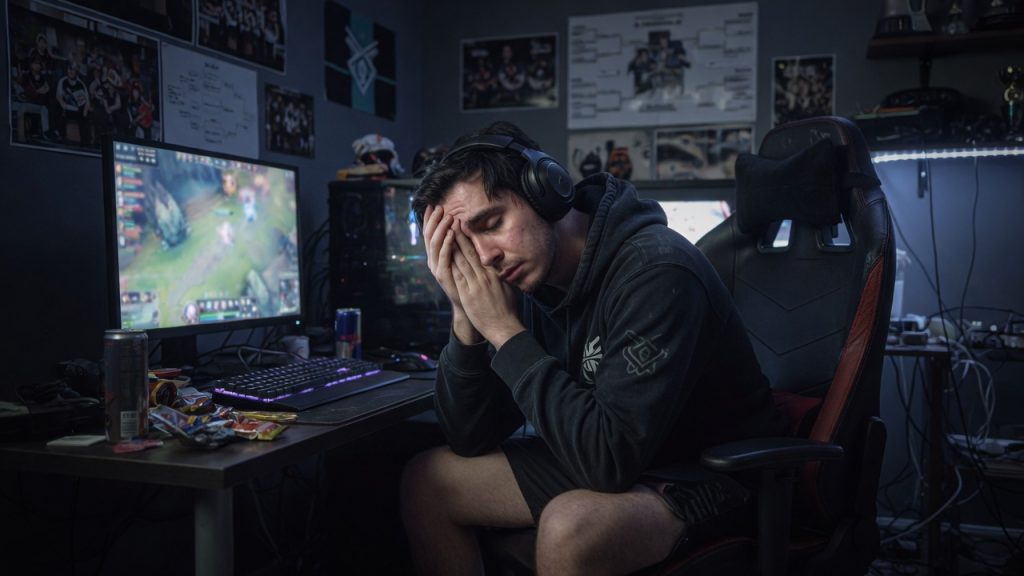
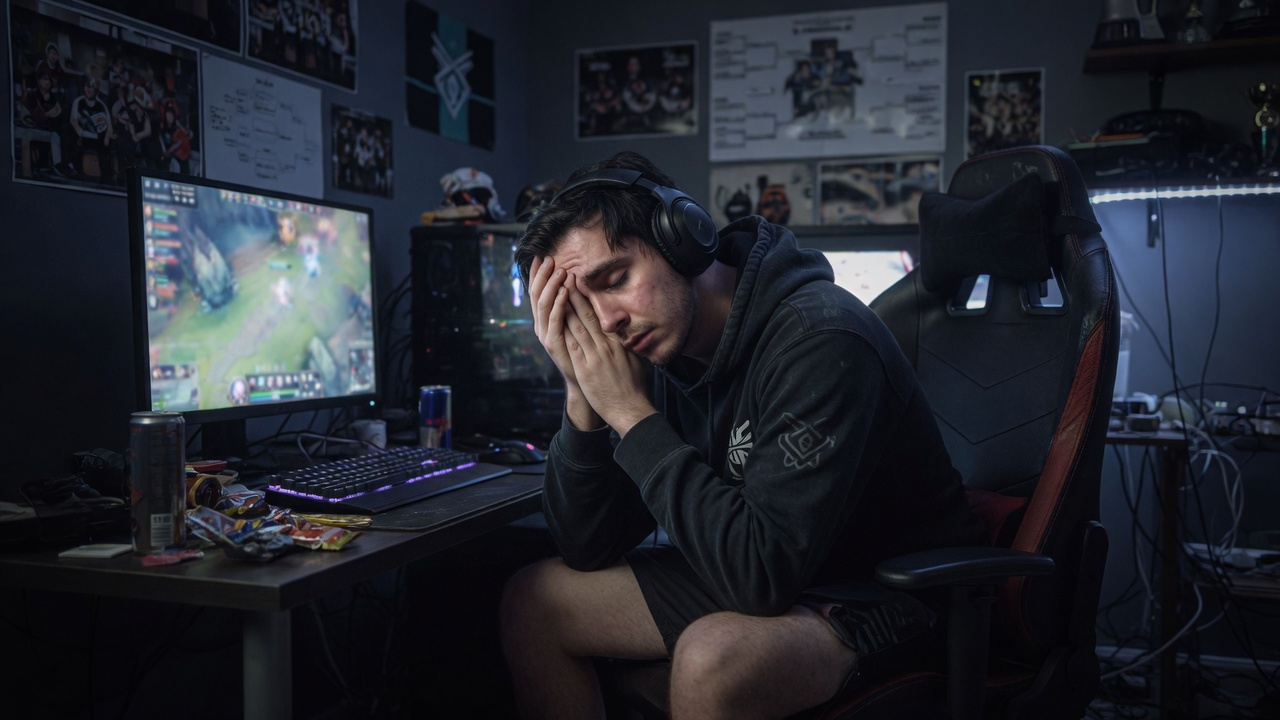
Burnout in gaming is a growing concern among players engaged in competitive scenes. It refers to a state of physical, emotional, and mental exhaustion caused by prolonged stress and overstimulation from continuous gaming sessions and high-pressure environments. This phenomenon is particularly prevalent in competitive gaming, where players often face intense schedules, high expectations, and relentless practice routines. Understanding the nature of burnout is essential for maintaining good gaming mental health and sustaining long-term performance.
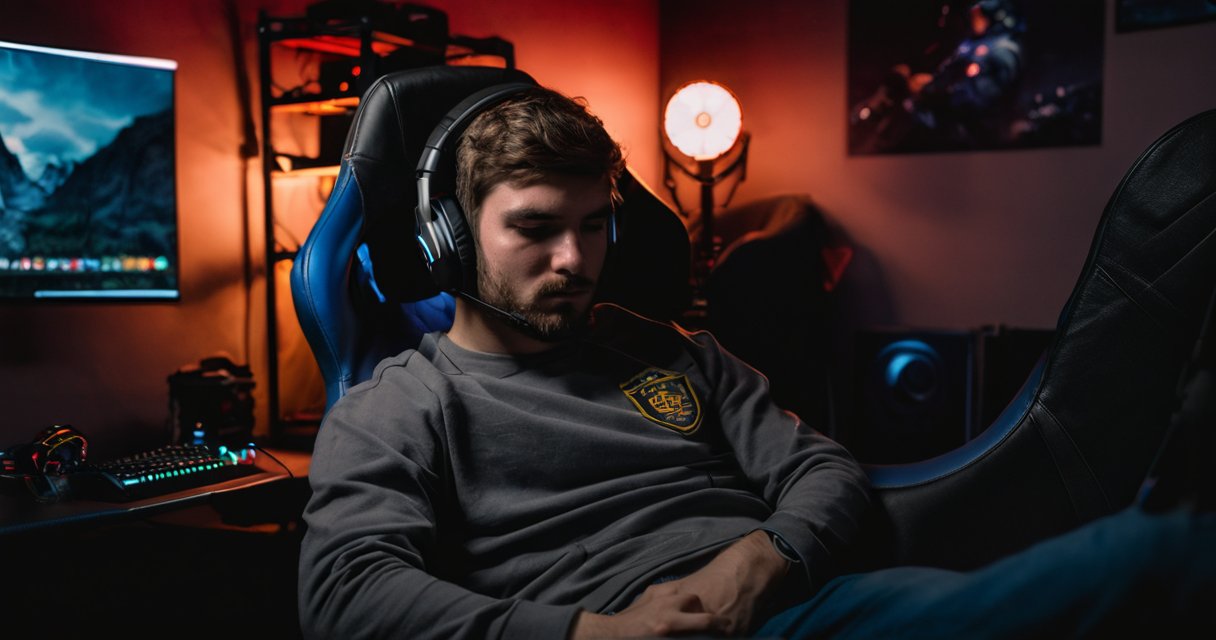
Competitive gaming fatigue manifests in various ways that go beyond simple tiredness. Players experiencing burnout in gaming may show signs such as decreased motivation, irritability, decreased concentration, and a growing sense of detachment from the game. Physical symptoms like headaches, sleep disturbances, and general lethargy can also be indicators. These signs of burnout typically signal that a gamer’s mental health is being compromised, and that rest or a change in routine is necessary to avoid further decline.
Several factors contribute to burnout in competitive gaming. The high-stakes environment fosters constant pressure to perform at peak levels. Extended hours of gameplay without adequate breaks lead to both physical and mental fatigue. Additionally, the repetitive nature of intense practice sessions, coupled with the emotional toll of wins and losses, can wear down even the most dedicated players. Social pressure from fans, teammates, and sponsors adds another layer of stress, making it harder to recover from setbacks or maintain a healthy balance.
Moreover, the digital nature of competitive gaming can blur the lines between personal life and professional commitment, making it difficult for players to disconnect and recharge. This contributes to a cycle where gaming mental health deteriorates unnoticed until symptoms become severe. Recognizing the early signs of burnout and understanding why it happens is the first step to addressing competitive gaming fatigue effectively, ensuring players can enjoy the game while preserving their well-being.
Common Causes of Burnout for Competitive Gamers
Competitive gaming requires intense focus and dedication, but it can often lead to video game stress that affects a player’s mental and physical health. One of the primary gaming burnout causes is the intense competition itself. Constantly facing highly skilled opponents creates a high-pressure environment where every match feels critical, contributing to immense competitive gaming pressure. This pressure can make it difficult for gamers to enjoy their playing time, turning what should be an exciting challenge into a stressful experience.
Another significant cause of burnout is long gaming hours required for extended practice sessions. To stay at the top of their game, players often invest many hours daily honing their skills, which can lead to both physical exhaustion and mental fatigue. This unrelenting schedule leaves little room for rest or relaxation, heightening the risk of physical strain and diminishing overall performance over time.
Performance anxiety is also a key factor contributing to gaming burnout causes. The fear of underperforming in tournaments or letting down a team can create ongoing stress that wears players down emotionally. This anxiety can spiral into a cycle where pressure builds, making it harder for gamers to perform at their peak and increasing the likelihood of burnout. Understanding these common causes is essential for developing strategies to manage and prevent burnout in competitive gaming.
Effective Strategies to Manage and Prevent Burnout
Burnout management is essential for competitive gamers who aim to sustain their performance and enjoy long-term success. One of the most effective ways to prevent gaming fatigue is to implement regular gaming breaks. Taking short, frequent breaks during play sessions helps reduce physical strain and mental exhaustion, allowing players to recharge and stay focused.
Scheduling these breaks is a simple yet powerful strategy. For example, following the 50/10 rule — 50 minutes of play followed by a 10-minute break — can significantly improve concentration and reduce the risk of burnout. During these breaks, engaging in activities like stretching, walking, or deep breathing exercises supports physical wellness and mental clarity.
Another cornerstone of burnout management is prioritizing mental wellness for gamers. This includes maintaining a balanced lifestyle that incorporates exercise, healthy nutrition, and sufficient sleep. Physical health fuels mental resilience, helping players cope better with the pressures of competitive gaming.
Mindfulness and relaxation techniques can also be valuable. Practices such as meditation, journaling, or listening to calming music can create a mental space that reduces stress and combats burnout symptoms. Gamers who cultivate these habits often report improved mood and sharper focus during gameplay.
Setting realistic goals and managing expectations is another effective approach. Avoiding unrealistic demands prevents unnecessary stress and enhances motivation. Tracking progress and celebrating small achievements helps maintain enthusiasm and creates a positive feedback loop, further reducing burnout risk.
Lastly, building a supportive community around gaming can play a significant role in preventing burnout. Connecting with fellow gamers, sharing experiences, and seeking advice contribute to a healthier gaming environment. Social support is crucial for emotional well-being and can provide encouragement when facing competitive pressures.
Incorporating Regular Breaks and Physical Activity
One of the most effective strategies for handling burnout in competitive gaming is taking breaks gaming. Scheduling regular rests during gameplay sessions allows the mind to reset, reducing mental fatigue and enhancing overall focus. These pauses not only prevent cognitive overload but also provide an opportunity to step away from the screen, which is crucial for maintaining long-term performance.
Physical health gamers is often overlooked but plays a vital role in burnout recovery. Integrating simple gaming exercise tips, such as stretching, walking, or light aerobic activities during breaks, can boost circulation and reduce muscle tension caused by prolonged sitting. This increased blood flow helps refresh both body and mind, making it easier to stay alert and engaged during competitive matches.
By combining scheduled rests with physical movement, gamers can break the cycle of fatigue and stress common in intense gaming environments. These habits contribute to improved concentration, faster reaction times, and a more positive overall gaming experience. Ultimately, prioritizing regular breaks and physical activity supports sustainable performance and helps prevent burnout from taking hold.
Building a Support System and Seeking Professional Help
In the world of competitive gaming, having a strong gaming support network is essential to maintain both performance and well-being. Connecting with fellow gamers who understand the unique pressures of the esports landscape creates an environment where challenges can be openly discussed and overcome together. These communities often provide emotional encouragement, practical advice, and motivation during difficult periods of burnout.
While peer support plays a vital role, it’s equally important to recognize when professional mental health help is needed. Burnout can manifest through persistent exhaustion, decreased focus, and emotional distress, signaling that more specialized care may be necessary. Therapy for gamers, tailored to address issues specific to competitive gaming such as performance anxiety and stress management, can be highly beneficial in regaining balance and clarity.
Competitive gaming advice frequently emphasizes the importance of seeking help early. Mental health professionals trained in working with gamers can provide coping strategies, resilience-building techniques, and personalized care plans. Integrating professional support with a dedicated gaming support network fosters a holistic approach to overcoming burnout and maintaining long-term success in the gaming arena.
Maintaining Long-Term Passion and Performance in Competitive Gaming
Sustaining gaming passion over the long haul requires intentional mindset shifts and healthy lifestyle habits that go beyond raw talent and mechanical skill. For competitive gamers aiming for long-term gamer success, embracing a growth-oriented competitive gaming mindset is essential. This involves viewing challenges and setbacks as learning opportunities rather than signs of failure. By reframing the way you think about performance fluctuations and losses, you can reduce the risk of career gaming burnout and maintain enthusiasm for the game.
On Sam Martin – Peak Performance they explain how the top 1% handle performance anxiety—watch it right here.
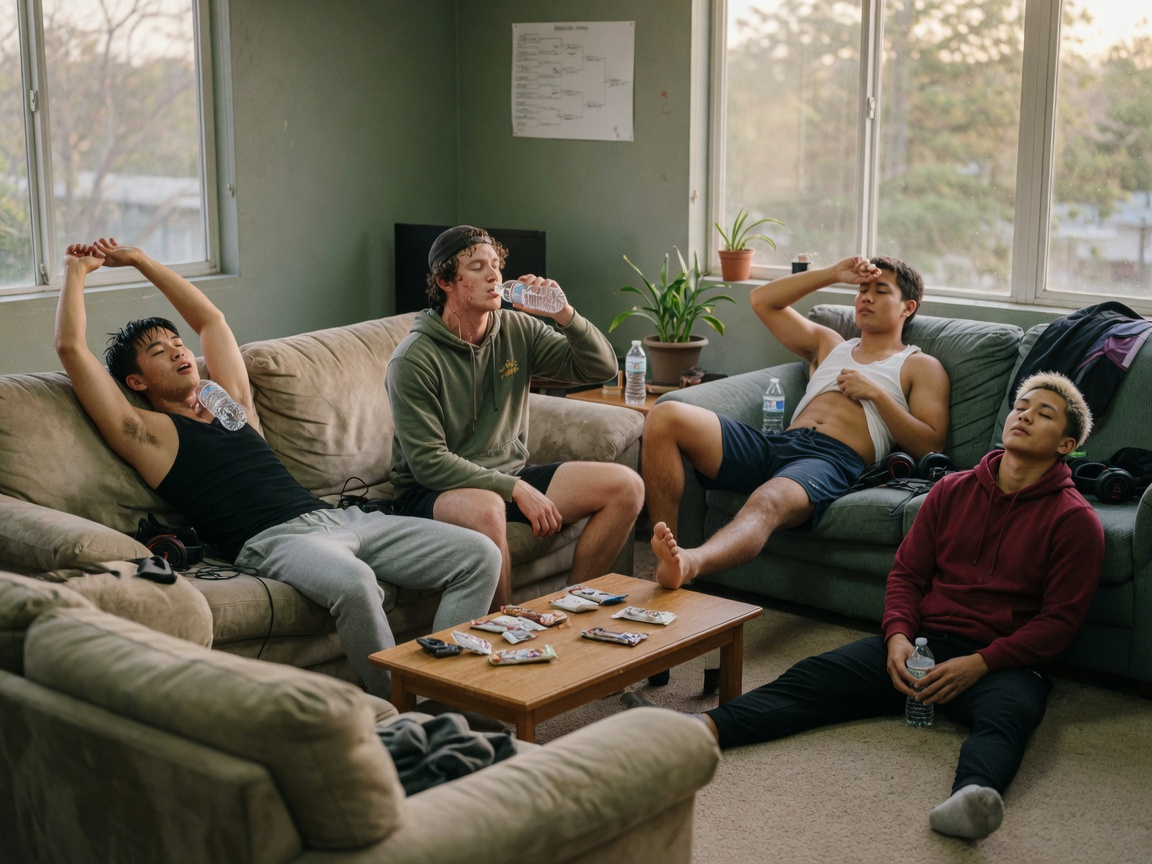
One key aspect of avoiding chronic burnout is balancing intense practice with adequate rest and recovery. High-level competitive gaming can be mentally and physically demanding, so incorporating regular breaks, quality sleep, and physical exercise supports sustained focus and reduces stress. Nutrition and hydration also play a critical role in preserving cognitive function and energy levels during training sessions and tournaments.
Another important habit is setting realistic, process-focused goals rather than solely outcome-based targets. This approach keeps motivation steady by highlighting daily improvements and mastery of specific skills rather than fixating on rankings or wins. Celebrating small victories and personal growth helps nurture intrinsic motivation and prevents discouragement from the inevitable ups and downs of competitive play.
Building a strong support network, including coaches, teammates, and friends, enhances mental resilience and fosters a positive environment. Open communication about the pressures of competitive gaming and shared experiences can alleviate feelings of isolation that contribute to burnout. Additionally, engaging in hobbies or activities outside of gaming creates a healthy balance and broadens sources of fulfillment.
Ultimately, sustaining gaming passion and performance over time means nurturing both the mind and body while adopting a flexible and growth-oriented mindset. By prioritizing self-care, setting thoughtful goals, and staying connected with supportive communities, competitive gamers can enjoy long-lasting success and avoid the pitfalls of career gaming burnout.

Ever since I built my first gaming PC in high school, I’ve been obsessed with the social side of multiplayer games and the bonds formed within competitive clans. I spend my weekends coordinating strategies and exploring how digital communities thrive, focusing on teamwork over individual stats. My goal is to share stories that bring players together and highlight the true camaraderie found in virtual worlds.