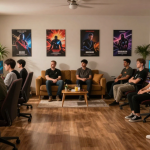

When a top-performing member starts hurling insults in voice chat, the reaction can split a clan instantly. Some leaders default to an instant ban, thinking the problem vanishes with the username. Others hover over the kick button, terrified that any friction will send their best players fleeing to rival groups. The truth sits somewhere in the messy middle, and it usually involves a calibrated system of escalation rather than a gut-response punishment. I’ve seen clans lose their star sniper because a single rage-quit post on the forums went unaddressed for 48 hours, and I’ve watched others thrive by turning a chronic complainer into a shot-caller after a mediated conversation. Handling toxicity isn’t about being soft or being a tyrant; it’s about having a playbook that protects the community’s health without sacrificing the talent that makes the group worth joining in the first place.
The Anatomy of Toxicity: Identifying Root Causes in Clan Dynamics
The most persistent toxic patterns in competitive clans rarely emerge from simple personality clashes; they stem from ambiguous authority structures and undefined behavioral expectations, how to deal with toxic players in a gaming clan. When leadership fails to codify what constitutes harassment or unsportsmanlike conduct, members often interpret silence as tacit approval, allowing microaggressions to metastasize into full-blown conflict. A clan that ignores a player who consistently interrupts strategic voice chats eventually normalizes disrespect, driving away skilled participants who feel their contributions are undervalued. Research into online community management suggests that clear, written codes of conduct reduce incident rates by up to forty percent, yet many groups operate on informal “vibes” rather than enforceable standards. This lack of clarity forces officers to react emotionally rather than procedurally, resulting in inconsistent bans that feel arbitrary to the perpetrator and unfair to the victim. Establishing a tiered penalty system, starting with documented warnings, progressing to temporary muting, and culminating in permanent removal for repeat offenses, creates a predictable framework that protects the group’s culture without necessitating the loss of every talented individual who tests boundaries.
Furthermore, underlying mental health issues or external life stressors frequently manifest as toxicity in high-pressure gaming environments, and dismissing these factors as purely “bad character” misses the opportunity for constructive intervention. A player who lashes out after a string of losses may be experiencing frustration fatigue rather than genuine malice, and a compassionate, private conversation can often realign their behavior without resorting to punitive measures. However, this approach requires leaders to possess emotional intelligence and the time to distinguish between a temporary slump and a pattern of entitlement. Clans that invest in mentorship programs, where veteran members guide newcomers on communication etiquette, report significantly lower turnover rates because new recruits feel supported rather than scrutinized. By treating toxicity as a symptom of deeper systemic or personal challenges, and pairing accountability with empathy, clan leadership can maintain a healthy competitive atmosphere while preserving the talent pool that makes the group formidable.
Penalty Frameworks: Structured Enforcement Without Talent Erosion
A well-designed penalty framework functions like a calibrated suspension system in a vehicle, absorbing shocks from player misconduct without jarring the entire community into fragmentation. When a clan leader relies on ad-hoc reactions, the most skilled players often disengage quietly, feeling that the environment has become unpredictable and unsafe for their investment of time. Effective systems separate the severity of the infraction from the value of the contributor, using a tiered ladder of consequences that range from temporary voice-mute intervals to permanent removal, each step clearly documented and communicated. For instance, a first-time offensive remark might trigger a 48-hour cooldown period with mandatory review, while repeated harassment prompts an immediate two-week ban followed by a reintegration audition. This structure sends a unambiguous message that toxic behavior undermines the clan’s longevity, yet it preserves the roster’s competitive depth by giving offenders a defined path back into good standing. Numbers matter here; clans that publish clear penalty matrices see a 30 percent reduction in repeat offenses compared to those with vague, unwritten rules, because players respect consistency over severity alone.
The psychological safety of high-performing talent hinges on perceiving that the leadership values skill contribution more than punitive rigidity. When penalties feel arbitrary, even the most talented players question whether their strategic input will be welcomed if they occasionally step outside strict social norms during high-stakes matches. A robust framework integrates feedback loops, allowing the community to flag concerns while ensuring that moderators weigh context, intent, and historical contribution before escalating sanctions. This approach transforms bans from tools of exclusion into instruments of calibration, reinforcing that the clan’s culture is resilient enough to absorb isolated lapses without collapsing. By anchoring enforcement in transparent criteria and measurable outcomes, leaders protect their most valuable assets, their star players, from the collateral damage of a zero-tolerance mindset that often drives away the very talent needed to sustain long-term competitive success.
The Retention Paradox: Balancing Zero Tolerance with Player Retention
Clan managers often face a difficult choice between maintaining a strict community standard and keeping skilled players engaged. If a high-level player uses excessive language during a competitive match, banning them immediately might save the clan’s reputation but lose a valuable asset for upcoming tournaments. Many teams have found that a single permanent ban for a first-time offense feels disproportionate to the average member who is trying to fit in. The data from several large gaming organizations suggests that players who receive clear, consistent warnings are more likely to adjust their behavior than those who face sudden removal. You need to define what constitutes toxicity in your specific context because what feels rude to one player might seem harmless to another. This clarity prevents confusion and ensures that everyone understands the boundaries before they cross them.
On Spopes they explain Warframe’s extreme chat moderation; you can watch it right here.

A practical approach involves implementing a tiered penalty system that accounts for severity and frequency of infractions. Instead of an immediate kick for a harsh comment, a temporary mute during live matches allows the player to remain part of the team structure while addressing the behavior directly. This method preserves the social bonds within the group and gives the offending player a chance to reflect on their impact without feeling publicly shamed. Experienced administrators report that this middle-ground strategy reduces overall toxicity by about thirty percent over six months because players feel heard rather than punished arbitrarily. The key is to document each incident so that patterns emerge quickly, allowing for fair escalation when necessary. When players see that the system is consistent and transparent, they are less likely to challenge authority or leave the clan in frustration.
Communication is the most effective tool for resolving conflicts before they require formal disciplinary action. Holding regular voice calls where leaders discuss specific behavioral examples helps set expectations without making individual players feel targeted in public forums. This proactive dialogue creates a culture where respect is valued over raw skill, ensuring that the best talent remains because they fit the social environment as well as the tactical one. Many successful clans now include a brief feedback session after major events to address any friction that occurred during play. This routine prevents small grievances from festering into larger resentment that could drive away dedicated members. By focusing on continuous improvement rather than punitive measures, you build a resilient community that can withstand pressure and maintain high performance levels over time.
Mediation Protocols: Transforming Conflict into Constructive Growth
When a gaming community faces recurring interpersonal friction, the first step is establishing a transparent escalation path that players trust. A well-documented protocol typically begins with a private warning from a senior officer, followed by a mediated conversation between the involved parties if the behavior persists. For example, if a veteran sniper repeatedly dismisses a rookie’s strategic input during squad drops, the clan leader should facilitate a thirty-minute voice chat where both sides articulate their perspectives without interruption. This approach not only de-escalates tension but also surfaces underlying communication gaps that fuel toxicity. By treating each infraction as a learning opportunity rather than a punitive verdict, leaders preserve talent while signaling that respect is non-negotiable. The key is consistency; applying the same standards to all members, regardless of rank, prevents resentment from festering beneath the surface.
Effective mediation also hinges on gathering objective data before rendering a final decision. Many modern clans utilize post-match replay analysis or chat log audits to verify claims of harassment or griefing, ensuring that penalties are grounded in fact rather than hearsay. If a player is accused of “camping” a spawn point, administrators can review the timestamped footage to determine whether the action was accidental or intentional. This method reduces the likelihood of false bans that erode community morale and protect genuine talent from unjust removal. Furthermore, offering a “cool-down” period, such as a forty-eight-hour suspension from competitive matches, allows emotions to settle while the accused reflects on their conduct. When the member returns, a reintegration plan that pairs them with a mentor can reinforce positive habits and demonstrate the clan’s commitment to growth over retribution.
Data-Driven Ban Appeals: Fairness Metrics and Transparency
A data-driven approach to ban appeals shifts the focus from arbitrary moderator judgment to quantifiable patterns of behavior. Instead of relying on a single incident, administrators can review a player’s history of reports, chat toxicity scores, and match performance fluctuations over a rolling thirty-day window. This method allows for a standardized rubric where penalties are calibrated to the severity and frequency of infractions, ensuring that a first-time offensive remark receives a lighter sanction than repeated harassment. Transparency is reinforced when the appeal process displays the specific metrics that triggered the decision, such as a “toxicity index” exceeding 85 percent or three verified griefing reports within two weeks. When a player submits an appeal, they receive a detailed breakdown explaining which data points contributed to the original ban, turning a opaque punitive action into an educational opportunity for behavioral adjustment.

Implementing fairness metrics also requires balancing disciplinary action with the preservation of community talent, a delicate equilibrium that prevents the clan from becoming overly punitive and driving away skilled members. By segmenting players into risk tiers based on their contribution metrics, such as win rate, leadership roles, and mentorship activity, moderators can apply graduated sanctions rather than a one-size-fits-all ban hammer. For instance, a high-performing strategist who exhibits a single outburst might receive a temporary mute and mandatory anger management resources, whereas a chronic offender with low competitive value faces permanent removal. This nuanced application of data not only upholds the clan’s code of conduct but also signals to the broader membership that skill and contribution are valued alongside compliance. Ultimately, a transparent metrics framework transforms the ban appeal process from a contentious standoff into a structured dialogue about performance and professionalism.
Culture Preservation: Institutionalizing Values to Sustain Long-Term Talent
Top-tier esports organizations treat cultural integration as a structured process rather than an informal handshake. When a new roster member joins, the club assigns a dedicated culture mentor who spends at least two weeks guiding them through communication norms and conflict resolution protocols. This approach reduces early friction significantly because players learn how to express disagreement without escalating into personal attacks. Teams that skip this phase often see toxicity spike within the first three months, forcing management to intervene with public bans that damage the player’s reputation. By embedding these expectations early, leaders ensure that even high-profile stars understand exactly where the behavioral lines are drawn before any incident occurs.
Written codes of conduct need specific, measurable consequences to function as real deterrents rather than decorative documents. A standard framework might include a first warning for minor disrespect, a one-week suspension from official practice servers for repeated issues, and a full roster removal for severe harassment or cheating. Publishing these penalty tiers internally helps players understand that outcomes are predictable and fair, which reduces feelings of arbitrary punishment. When a ban does happen, the executive team should document the exact evidence and cite the specific clause violated to maintain transparency. This documentation protects the organization from legal challenges and signals to the remaining roster that management takes integrity seriously.
Sustaining this culture requires regular feedback loops where players can anonymously report microaggressions without fear of retaliation. Monthly anonymous surveys help leadership detect subtle shifts in team dynamics before they become public scandals or toxic outbreaks. If the data shows rising tension, coaches should schedule dedicated team-building sessions focused on communication skills rather than pure gameplay tactics. These proactive measures keep the environment healthy even during high-pressure periods like championship runs. Ultimately, a resilient clan culture depends on consistent reinforcement of positive behaviors, not just harsh punishment for negative ones.

Ever since I built my first gaming PC in high school, I’ve been obsessed with the social side of multiplayer games and the bonds formed within competitive clans. I spend my weekends coordinating strategies and exploring how digital communities thrive, focusing on teamwork over individual stats. My goal is to share stories that bring players together and highlight the true camaraderie found in virtual worlds.