In the realm of competitive gaming, the emphasis on teamwork in gaming cannot be overstated. As players strive to achieve victory in various esports titles, the ability to collaborate effectively with teammates is essential. Building a strong sense of teamwork not only enhances performance but also enriches the overall gaming experience. This article outlines practical strategies for fostering teamwork in competitive gaming within gaming clans and communities, providing actionable steps to create a cohesive and effective team environment.
Establish Clear Communication Channels
Effective communication is the backbone of successful teamwork in gaming. To start, it is crucial to establish clear communication channels among team members. This could involve using platforms like Discord, TeamSpeak, or in-game voice chat to ensure that everyone can connect easily. Encourage team members to share their thoughts, strategies, and feedback during matches. Regular team meetings outside of gameplay can also help in discussing tactics and addressing any issues that may arise. By fostering an open line of communication, players can collaborate more effectively and ensure that everyone is on the same page.
Moreover, setting specific communication norms can help streamline interactions. For instance, players should be encouraged to use concise language and avoid jargon that may be confusing to newer members. Establishing a system for callouts during gameplay can also enhance situational awareness. When everyone knows how to communicate effectively, it significantly boosts teamwork in gaming, leading to better in-game decisions and overall performance.
Define Roles and Responsibilities
Another vital step in fostering teamwork in competitive gaming is to clearly define roles and responsibilities within the team. Each player should have a designated role based on their strengths and preferences, whether that be a leader, strategist, support player, or damage dealer. By assigning roles, players can focus on their specific tasks, which helps avoid confusion during matches. For example, in a team-based shooter, a sniper may need to take on a different responsibility than a front-line attacker.
It’s also important to encourage players to understand the roles of their teammates. When each player knows what their teammates are responsible for, they can better coordinate their actions and support one another. This clarity not only enhances gameplay but also builds trust and accountability within the team. Regularly revisiting and adjusting these roles as players improve or as the team evolves keeps the dynamics fresh and adaptable.
Encourage Team Building Activities
Outside of regular practice and matches, team-building activities can significantly enhance teamwork in gaming. Organizing fun and engaging activities, such as casual gaming nights, tournaments, or even watching esports events together, can strengthen relationships among team members. These activities provide opportunities for players to bond and develop camaraderie, which translates into better cooperation during competitive play.
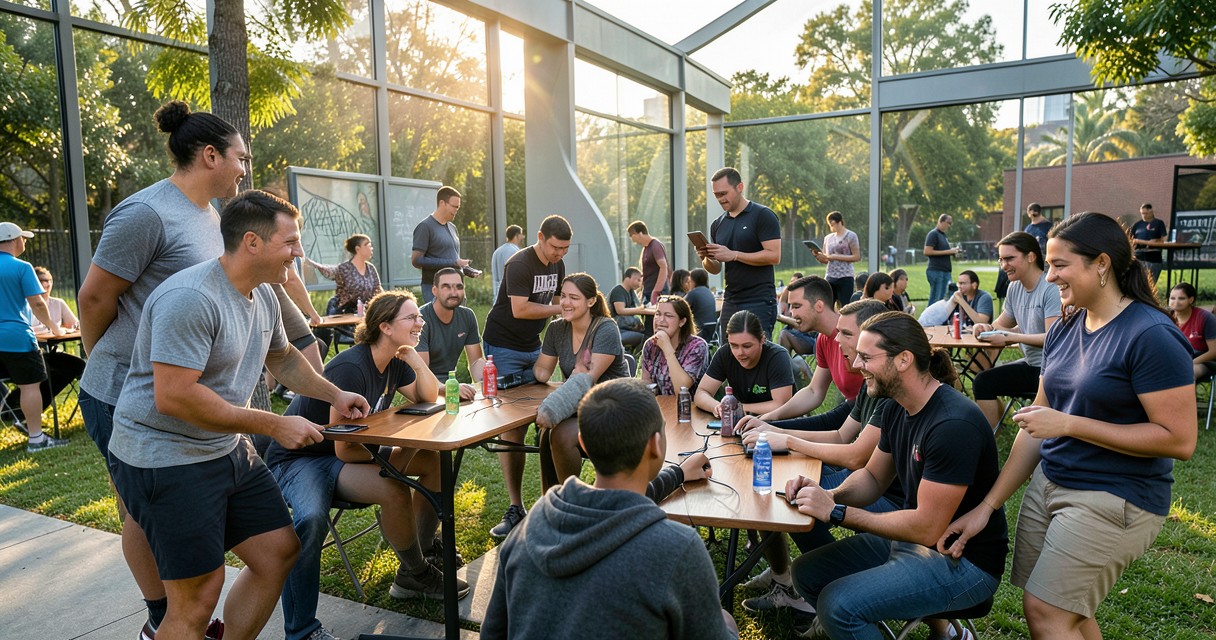
Additionally, consider incorporating training sessions that focus on team strategies and coordination drills. These sessions can help players practice their roles and improve their synergy as a unit. By investing time in team-building activities, you create a more cohesive group that is better equipped to face challenges in competitive scenarios.
Foster a Positive Team Culture
The culture of a gaming team can greatly influence its performance and cohesion. To foster a positive team culture, it is essential to promote respect, inclusivity, and encouragement among team members. Celebrate each other’s successes, no matter how small, and provide constructive feedback when necessary. This approach helps build a supportive environment where players feel valued and motivated to improve.
Moreover, addressing conflicts swiftly and fairly is vital to maintaining a healthy team culture. Encourage team members to voice their concerns and resolve issues amicably. This proactive approach not only prevents resentment from building up but also reinforces the importance of teamwork in gaming. When players feel comfortable expressing themselves, they are more likely to contribute positively to the team dynamic.
Utilize Analytical Tools for Improvement
In the competitive gaming arena, analyzing performance can provide valuable insights for improvement. Utilizing analytical tools and software can help teams dissect their gameplay, identify strengths and weaknesses, and develop strategies for future matches. Encourage team members to review game footage together, discussing what worked well and what could be improved upon.
By incorporating data-driven approaches into your training, you can enhance teamwork in gaming by ensuring that all players are aware of their contributions to the team’s success or failure. This analytical mindset fosters a culture of continuous improvement, motivating players to work together to refine their skills and strategies.
Practice Regularly and Structurally
Consistent practice is essential for any competitive gaming team. Establish a regular practice schedule that allows team members to train together frequently. During these sessions, focus not only on individual skills but also on team strategies and coordination. Implement structured practices that include warm-ups, drills, and scrimmages to simulate real match conditions.
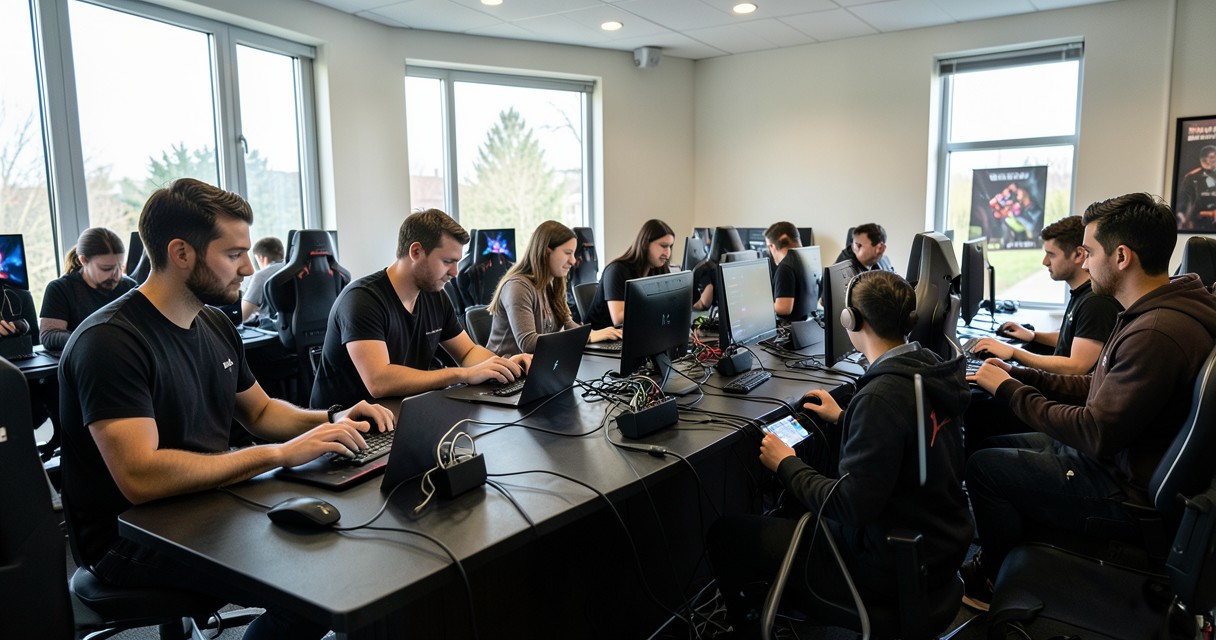
Moreover, consider setting specific goals for each practice session. This could range from improving communication during gameplay to mastering a particular strategy. By having clear objectives, players can work towards tangible results, making the practice sessions more productive. The more time a team spends practicing together, the stronger their teamwork in gaming will become.
Celebrate Achievements and Reflect on Experiences
Finally, recognizing and celebrating achievements is crucial for maintaining motivation within the team. Whether it’s a hard-fought victory or simply reaching a personal best, take the time to acknowledge these moments collectively. Celebrating achievements boosts morale and reinforces the idea that teamwork in gaming leads to success.
In addition to celebrating wins, it is equally important to reflect on experiences after matches. Encourage team members to discuss what went well and what did not, fostering a mindset of learning and growth. By analyzing both successes and failures, teams can adapt and improve their strategies moving forward, ensuring that every experience contributes to their development as a cohesive unit.

Ever since I built my first gaming PC in high school, I’ve been obsessed with the social side of multiplayer games and the bonds formed within competitive clans. I spend my weekends coordinating strategies and exploring how digital communities thrive, focusing on teamwork over individual stats. My goal is to share stories that bring players together and highlight the true camaraderie found in virtual worlds.