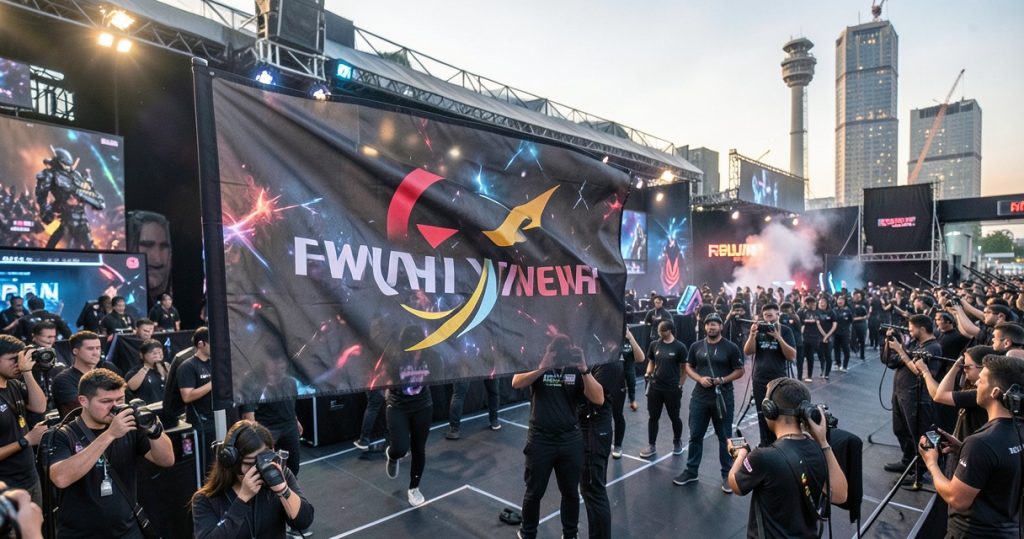
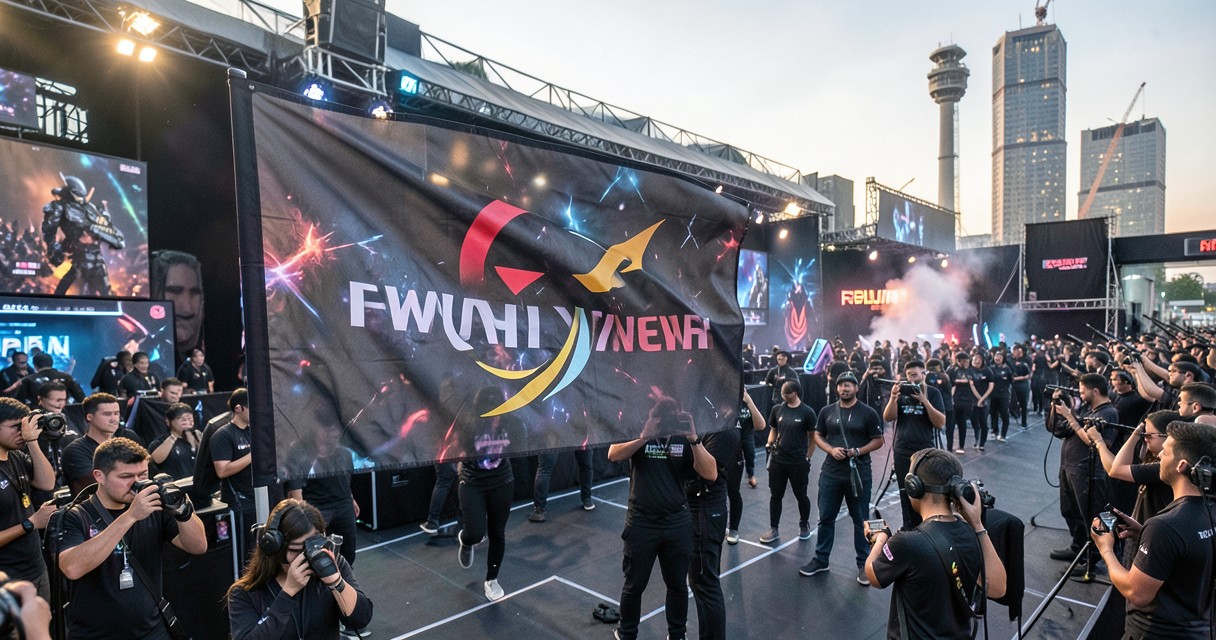
In the world of competitive gaming, a clan is more than a collection of players; it is a brand, a community, and a visible flag that flies at every major esports event. From the moment a tournament opens its doors, organizers, sponsors, and fans look for the familiar colors and logos that signal a clan’s presence. This visibility influences everything from ticket sales to television ratings, and it also shapes the way new talent chooses a path into professional play. Understanding how clans are represented on stage, in broadcasts, and across digital platforms is essential for anyone who wants to build or support a successful gaming community.
The historical roots of clan presence in early esports tournaments
When the first organized video‑game competitions appeared in the early 2000s, clans already functioned as informal teams that traveled to LAN parties and regional qualifiers. Events such as the World Cyber Games and the Electronic Sports World Cup gave these groups a chance to showcase their names on a global stage, often before the concept of a “franchise” even existed. A typical clan would wear matching caps or T‑shirts, a practice that helped spectators identify their favorite squads in crowded venues. By 2012, the rise of dedicated esports arenas in Seoul and Cologne saw clans securing dedicated booth space, turning what was once a casual gathering into a professional showcase.
Those early appearances laid the groundwork for the modern esports ecosystem, where a clan’s logo can appear on a giant LED screen and be featured in official promotional material. The transition from grassroots to mainstream was accelerated by the introduction of prize pools that reached six figures, prompting sponsors to invest in the most recognizable names. As a result, clans that once only existed online now owned physical merchandise, secured travel budgets, and cultivated fan clubs that followed them from one tournament to the next.
Branding and visual identity: how clans stand out on stage
Today, a clan’s visual identity is a carefully crafted package that includes a logo, color scheme, and a set of animated graphics used during live broadcasts. FaZe Clan, for example, relies on a stylized “F” in neon green, which lights up the arena’s main screen whenever its players make a clutch play. Cloud9’s blue and white palette appears on player jerseys, sponsor banners, and even on the in‑game skins that are released for fans. These visual cues are not merely decorative; they create instant recognition for viewers who may be watching a match on a smartphone screen or a massive LED board in a stadium.
Beyond the primary logo, many clans invest in secondary symbols that represent specific rosters or game titles. G2 Esports, for instance, uses a lion emblem for its League of Legends squad while a different crest appears for its Counter‑Strike team. This level of detail allows broadcasters to switch graphics seamlessly, keeping the audience engaged and reinforcing brand loyalty. The result is a cohesive experience where the clan’s presence is felt in every frame of the broadcast, from the opening intro to the post‑match analysis.
Sponsorship and financial models: clans as marketable assets
Corporate sponsors view clans as highly targeted advertising platforms, especially when a clan commands a large, dedicated fan base. A single sponsorship deal can range from a few hundred thousand dollars for emerging groups to multi‑million‑dollar contracts for established names like Team Liquid or Ninjas in Pyjamas. These agreements often include logo placement on jerseys, exclusive streaming rights, and co‑branded merchandise that appears in the official tournament shop. The financial impact is measurable: tournaments that feature well‑known clans regularly report a 15 percent increase in ticket sales compared with events lacking such representation.
Ben Dover: Only a few will understand
Revenue sharing models have evolved alongside the growth of streaming platforms. When a clan’s players compete in a high‑profile event, the organization receives a cut of the advertising revenue generated from the broadcast, as well as a portion of the prize money earned. This dual‑income stream incentivizes clans to maintain a strong presence at every major tournament, because each appearance directly contributes to the organization’s bottom line. In turn, sponsors benefit from the heightened exposure, creating a symbiotic relationship that fuels the continued professionalization of esports.
Competitive logistics: clan registration, player rosters, and regulations
Organizers require clans to submit detailed registration packets that include player contracts, proof of residency, and a roster list that must be approved before the tournament begins. Regulations often limit the number of transfers a clan can make in a single season, ensuring stability and preventing last‑minute roster changes that could disrupt the competitive balance. For example, the ESL Pro League enforces a “two‑change” rule, meaning a clan may replace no more than two players after the initial roster lock date.
These logistical requirements also extend to branding compliance. Clans must provide high‑resolution versions of their logos in multiple formats, and they are typically required to adhere to a color‑matching guideline set by the event’s visual standards team. Failure to meet these specifications can result in delayed jersey production or even a ban from the stage. Consequently, successful clans maintain a dedicated operations staff that handles paperwork, coordinates with sponsors, and ensures that every visual element meets the tournament’s strict criteria.
Community engagement: clan fans, merch, and live event interaction
Fans of a clan often travel to events in large numbers, creating a “home‑field advantage” that can influence player performance. Merchandise stalls at venues like the Fort Worth esports arena regularly showcase clan‑specific apparel, ranging from limited‑edition hoodies to autographed mousepads. In 2023, FaZe Clan reported that its on‑site sales at a single North American tournament exceeded $250 000, a figure that illustrates the economic power of a passionate fan base. These purchases not only generate revenue but also serve as walking advertisements, reinforcing the clan’s presence throughout the venue.
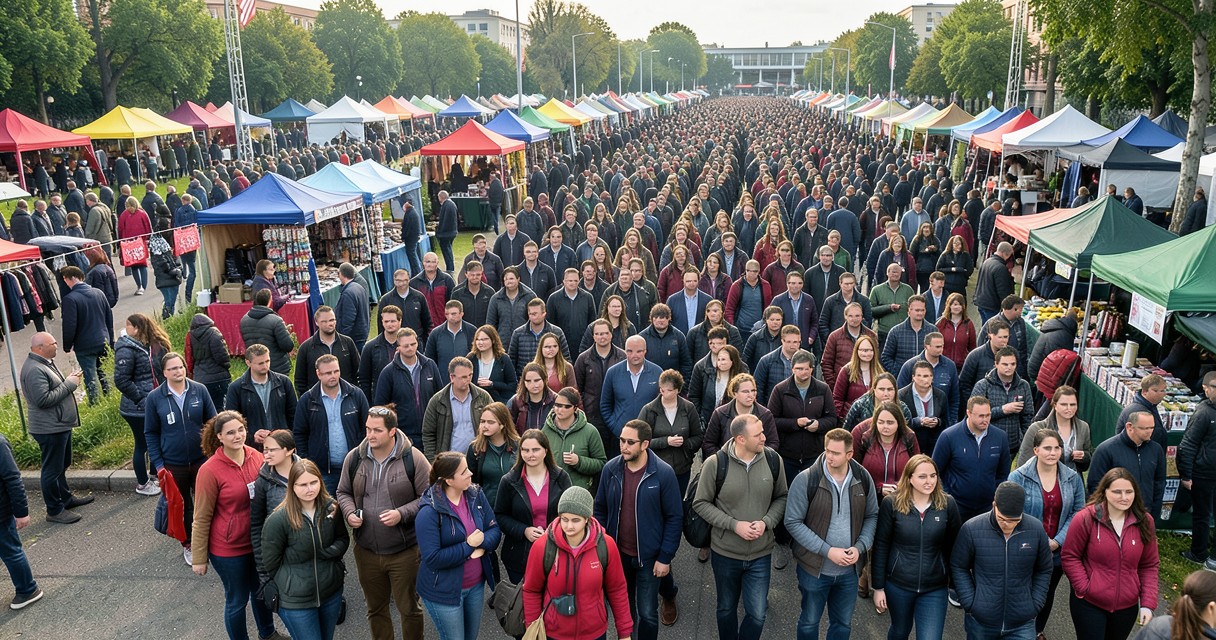
Interactive experiences have become a staple of modern esports events. Many clans set up meet‑and‑greet zones where fans can take photos, receive signed memorabilia, and watch live streams of their favorite players’ practice sessions. Social media teams work in tandem with event organizers to push real‑time highlights, using the clan’s official hashtags to amplify reach. This blend of physical and digital engagement turns a simple tournament appearance into a multi‑layered fan experience that deepens loyalty and drives future viewership.
Future trends: virtual representation and cross‑platform collaborations
As virtual reality and augmented reality technologies mature, clans are beginning to explore new ways to represent themselves beyond the traditional LED screen. Early experiments include holographic player introductions and immersive fan zones where attendees can interact with a 3D model of the clan’s mascot. These innovations promise to create a more dynamic visual narrative, allowing a clan’s brand to evolve in sync with the latest technological advancements. Companies like Riot Games have already piloted AR overlays that display a clan’s stats in real time, enhancing the spectator’s understanding of the game.
Cross‑platform collaborations are also reshaping clan representation. A clan that fields teams in multiple titles, such as Counter‑Strike, League of Legends, and Valorant, can unify its branding across disparate audiences, leveraging shared assets to cut production costs and increase market penetration. This strategy has proven effective for organizations like G2 Esports, which recently launched a joint merchandise line that features a single logo used across three major games. The result is a cohesive identity that resonates with fans regardless of the title they follow, reinforcing the clan’s position as a versatile and enduring presence in the esports arena.

Ever since I built my first gaming PC in high school, I’ve been obsessed with the social side of multiplayer games and the bonds formed within competitive clans. I spend my weekends coordinating strategies and exploring how digital communities thrive, focusing on teamwork over individual stats. My goal is to share stories that bring players together and highlight the true camaraderie found in virtual worlds.