

The world of gaming clans is a vibrant and diverse landscape, shaped by a myriad of cultural influences. As players from various countries come together to form teams and communities, the differences in communication styles, gaming practices, and social dynamics become evident. Understanding these cultural differences is essential for fostering collaboration and enhancing the overall gaming experience. This article explores key aspects of cultural diversity within global gaming clans, providing insights into how these differences manifest and how clans can navigate them effectively.
Communication Styles in Gaming Clans
One of the most significant cultural differences in gaming clans is the way members communicate. In some cultures, direct communication is preferred, where players are straightforward about their thoughts and strategies. For instance, North American gamers often value clear and concise messaging, which can lead to efficient teamwork. Conversely, players from East Asian cultures may lean toward a more indirect approach, emphasizing harmony and group consensus. This can result in a more nuanced form of communication that might be perceived as evasive by those accustomed to directness. Understanding these preferences can help members avoid misunderstandings and foster a more inclusive environment.
Additionally, language barriers can further complicate communication within international gaming clans. While many players use English as a common language, nuances and idiomatic expressions may not translate well. Clans that prioritize clear communication and offer language support, such as translation tools or multilingual members, can create a more welcoming atmosphere for players from diverse backgrounds. This not only enhances collaboration but also builds camaraderie among clan members.
Gameplay Preferences and Styles
Cultural backgrounds significantly influence gameplay preferences and styles. For example, players from competitive gaming cultures, such as South Korea, often exhibit a strong focus on strategy and skill development. These players may prioritize ranked matches and professional play, valuing performance above all else. In contrast, gamers from more casual gaming cultures, such as those found in parts of Europe, may prioritize fun and social interaction over competition. This divergence can lead to differing expectations within a clan, potentially causing friction if not addressed.
To accommodate these varying preferences, clans can adopt a flexible approach to gameplay. Establishing different types of events, such as competitive tournaments for those seeking a challenge and casual game nights for members looking to socialize, can help cater to the diverse interests of the clan. This inclusivity encourages participation and strengthens the bonds among members, creating a well-rounded gaming community.
Social Dynamics and Group Hierarchies
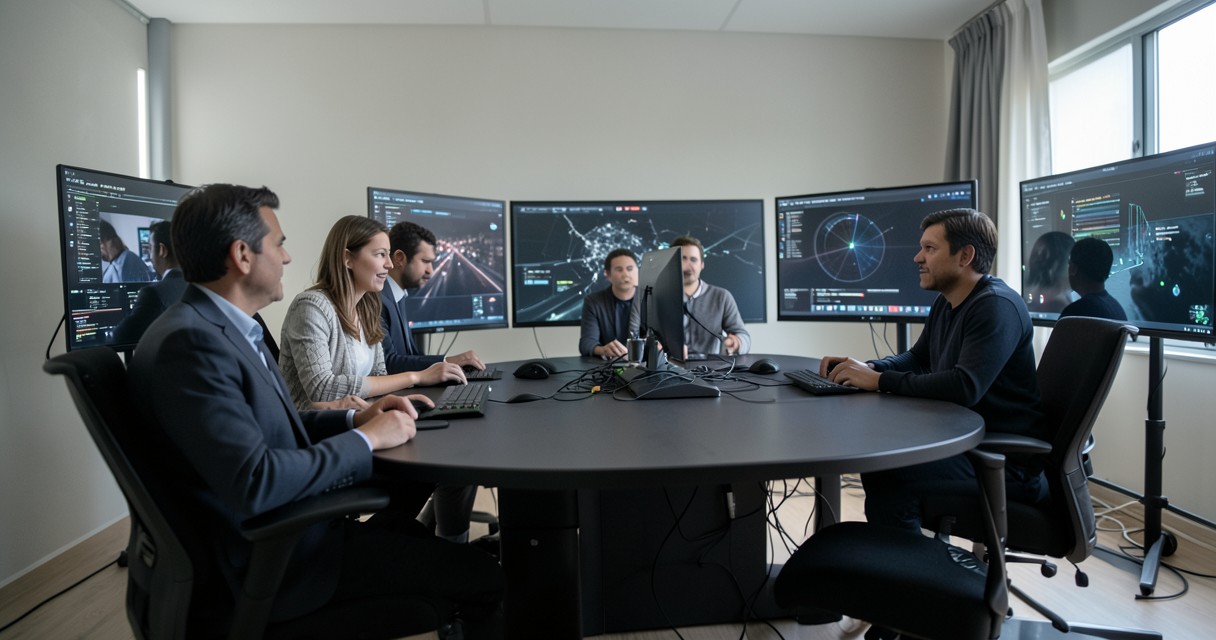
Social structures within gaming clans can vary widely across cultures. In some cultures, a more hierarchical approach is common, where leadership is respected and decisions are made by a select few. This can be seen in clans from countries with strong traditions of authority, where senior members take on leadership roles and guide the group. Conversely, other cultures may favor egalitarian structures, where every member’s opinion is valued equally, resulting in a more democratic decision-making process.
Clashing Cultural Norms and Conflict Resolution
With diverse backgrounds come differing cultural norms, which can sometimes lead to conflicts within gaming clans. For example, what may be considered friendly banter in one culture might be perceived as offensive in another. Understanding these potential pitfalls is essential for maintaining harmony within the clan. Establishing clear guidelines around acceptable behavior and promoting cultural sensitivity can help mitigate misunderstandings and conflicts.
Inclusivity and Diversity Initiatives
To thrive in a multicultural environment, gaming clans must actively promote inclusivity and diversity. Initiatives such as cultural exchange events, where members share aspects of their backgrounds, can foster understanding and appreciation among players. These events might include themed game nights, where games from different cultures are featured, or discussions on cultural practices and gaming traditions.
Choosing the Right Clan for Your Cultural Fit
For players seeking to join a gaming clan, understanding the cultural dynamics at play can be a determining factor in their choice. When evaluating potential clans, players should consider the communication styles, gameplay preferences, and social dynamics that resonate with their own values. Researching a clan’s history, its leadership structure, and its approach to conflict resolution can provide insight into whether it aligns with a player’s cultural expectations.
Building a Global Gaming Community
In an increasingly interconnected world, the future of gaming clans is inherently global. As players from diverse backgrounds continue to come together, the potential for rich cultural exchange and collaboration grows. Clans that embrace this diversity will not only enhance their internal dynamics but also contribute to a broader gaming community that values inclusivity and understanding.

Ever since I built my first gaming PC in high school, I’ve been obsessed with the social side of multiplayer games and the bonds formed within competitive clans. I spend my weekends coordinating strategies and exploring how digital communities thrive, focusing on teamwork over individual stats. My goal is to share stories that bring players together and highlight the true camaraderie found in virtual worlds.