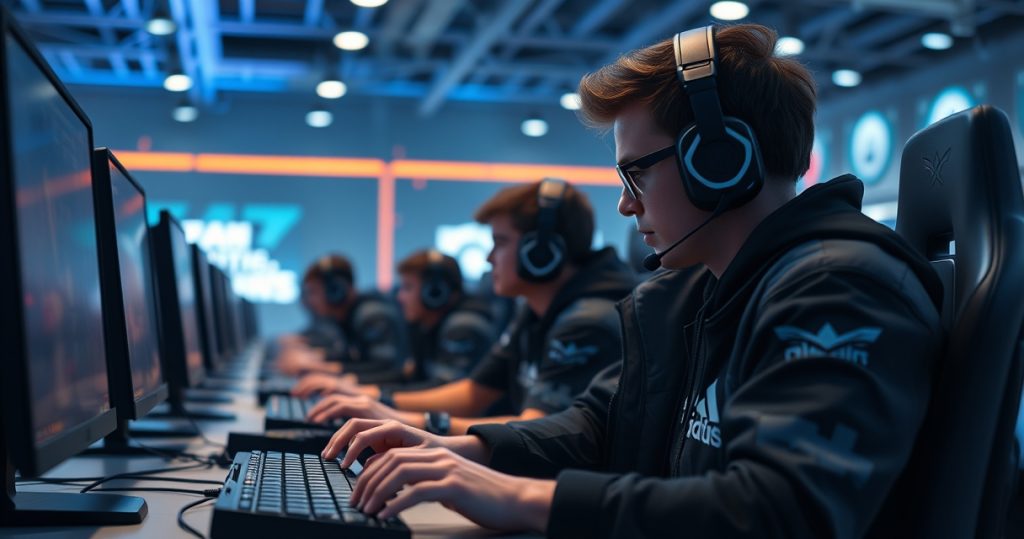
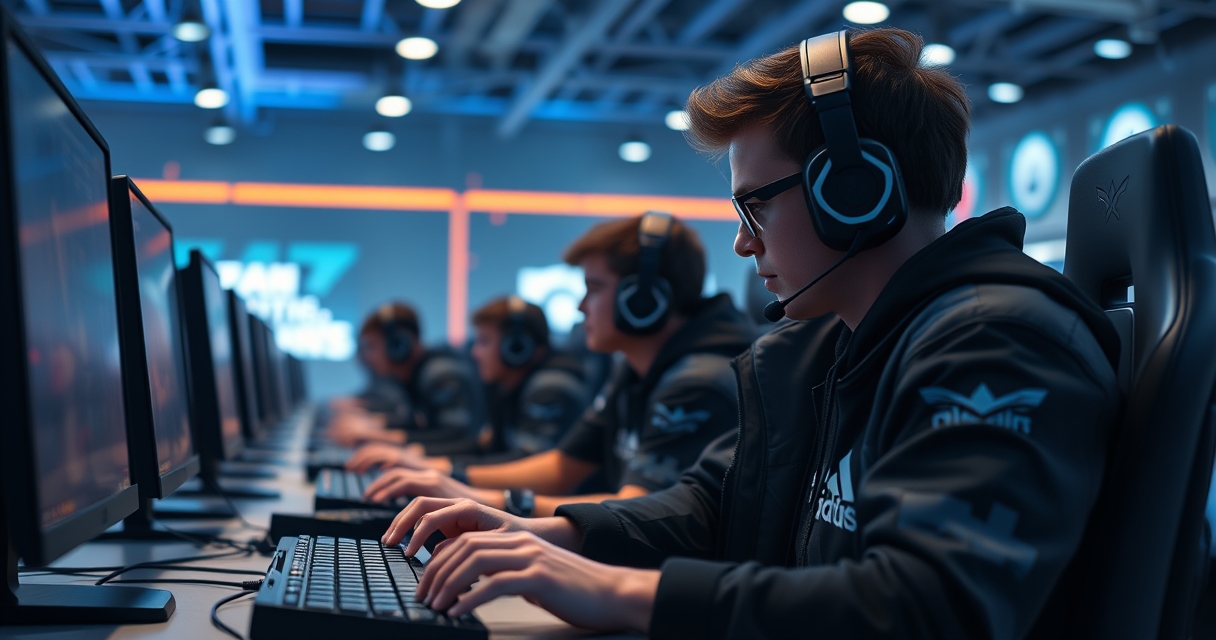
The Esports influence on gaming clans becomes clear when a team first enters a tournament lobby, feeling the weight of competition. The difference between a forgettable first round exit and a podium finish rarely comes down to raw skill alone. It is the weeks of deliberate preparation, the late-night strategy sessions, and the relentless refinement of team synergy that separate the contenders from the also-rans. For clans that treat tournaments as a serious endeavor rather than a casual weekend pastime, the work begins long before the first map loads. Whether you are a tight-knit group of friends grinding in Counter-Strike or a structured Valorant roster with a dedicated coach, the principles of effective tournament preparation remain consistent. The goal is not just to show up but to arrive with a plan that accounts for every variable, from individual mechanics to collective decision-making under pressure.
Setting Clear Objectives and Benchmarks
Before a single practice match is scheduled, the clan leadership needs to define what success looks like. For some teams, breaking into the top eight of a regional qualifier is a realistic milestone. Others might aim for a specific win rate against certain opponents or a measurable improvement in their average round differential. These objectives should be quantifiable and time-bound. A clan that sets a goal of reducing their average death count by 20% over six weeks can track progress through in-game stats and demo reviews. Objectives also need to align with the tournament format. A double-elimination bracket demands resilience and adaptability, while a round-robin group stage rewards consistency and depth of preparation. Once the goals are set, they should be communicated to every member, including substitutes and support staff. Transparency ensures that everyone understands the stakes and can tailor their individual practice accordingly.
Benchmarks should extend beyond win-loss records. Clans can track specific in-game metrics such as kill-death ratios, objective completion rates, or economy management efficiency. In games like Dota 2 or League of Legends, this might mean monitoring creep score differentials or tower damage percentages. For first-person shooters, accuracy, headshot percentages, and utility usage become critical data points. These numbers provide objective feedback that complements subjective impressions from coaches or analysts. When a player knows their spray control accuracy has improved from 62% to 71% over a month, the progress feels tangible and motivating. Benchmarks also help identify weaknesses that might not be obvious during casual scrims. A team that consistently loses pistol rounds but dominates full-buys might overlook their early-game execution flaws until the data forces them to confront it.
Structuring a Balanced Practice Schedule
A well-designed practice schedule balances intensity with recovery. Most elite clans follow a weekly rhythm that mirrors the demands of a tournament weekend. A typical week might include three to four days of focused scrims, one day of individual skill refinement, and one day dedicated to strategy review and demo analysis. The remaining day is reserved for rest or light play to prevent burnout. Scrims should replicate tournament conditions as closely as possible. This means playing at the same time of day the tournament will occur, using the same map pool, and enforcing the same rules regarding pauses and substitutions. Clans often use strict member retention strategies, like a “no respawn” rule, to simulate high-pressure match conditions during practice. This builds discipline and reduces the temptation to play recklessly in the hope of a second chance.
Individual practice sessions should target specific weaknesses identified through benchmarks and demo reviews. A sniper in a tactical shooter might spend an hour each day working on flick shots and counter-strafing drills. A support player in a MOBA could focus on warding patterns and timing their ultimate abilities. These sessions should be structured and time-limited to maintain focus. Many players use third-party tools or in-game training modes to track progress. For example, a Counter-Strike player might use the Aim Lab or Kovaak’s scenarios to measure improvements in reaction time and precision. The key is to avoid mindless grinding. Every drill should have a clear purpose and a measurable outcome. If a player cannot articulate what they are working on and why, the session is likely wasted.
Strategy review sessions are where the clan synthesizes the lessons from scrims and individual practice. These meetings should be led by a coach or an experienced analyst who can break down gameplay objectively. Demo reviews are particularly valuable. Watching replays of both wins and losses reveals patterns that might go unnoticed in the heat of the moment. A team that struggles in overtime situations might discover they consistently lose the first two rounds after the break due to poor economy management. Identifying these trends allows the clan to develop targeted counter-strategies. These sessions should also include a discussion of upcoming opponents. If the clan has access to replays of their next opponent’s recent matches, they can scout tendencies and adapt their game plan accordingly.
Developing and Refining Team Synergy
The Importance of teamwork is what transforms a group of skilled players into a true competitive force in clan-based games. It is built through repetition, communication, and a shared understanding of roles and responsibilities. One of the most effective ways to develop synergy is through role-specific drills. In a game like Valorant, this might mean practicing specific executes on a bomb site, with each player assigned a distinct role such as entry fragger, support, or lurker. The goal is to execute the strategy flawlessly, with every ability and shot timed to perfection. These drills should be repeated until they become second nature, reducing the need for verbal communication during high-pressure moments. Over time, players develop an almost telepathic awareness of each other’s movements and intentions.
On EinStonius they explain how to get into CoC esports—watch it right here.

Communication is another critical component of synergy. Clans should establish clear callouts and a standardized vocabulary for in-game situations. This includes naming map locations, enemy positions, and utility usage. A well-coordinated team in Rainbow Six Siege, for example, might use terms like “roamer up” or “plant defuser” to convey information quickly and accurately. Miscommunication often leads to unnecessary deaths or failed executes. To minimize this, clans can practice callouts during scrims, with a coach or analyst listening in to provide feedback. Some teams even record their comms and review them alongside demo footage to identify areas for improvement. The goal is to make communication concise and actionable. A player who spends five seconds describing an enemy position is wasting time that could be spent rotating or setting up a crossfire.
Synergy also extends to the mental and emotional dynamics of the team. Clans that spend time together outside of practice tend to perform better under pressure. This does not mean forcing social interactions but creating opportunities for bonding. Watching replays together, discussing strategies over a meal, or even playing casual games can strengthen the team’s cohesion. When players trust each other and feel comfortable expressing their thoughts, they are more likely to adapt quickly during matches. This is particularly important in high-stakes situations where emotions can run high. A team that has practiced staying calm and focused during close matches will be better equipped to handle the pressure of a tournament final.
Scouting Opponents and Adapting Strategies
Scouting opponents is a critical but often overlooked aspect of tournament preparation. Many clans focus solely on their own improvement and neglect to study the teams they will face. This is a mistake. Every opponent has tendencies, strengths, and weaknesses that can be exploited with the right preparation. The first step is gathering data. This can include watching replays of their recent matches, analyzing their win-loss records, and studying their performance in specific map pools or game modes. Some clans even create spreadsheets or databases to track key metrics such as their opponents’ preferred strategies, common mistakes, and individual player stats. For example, a team in League of Legends might note that their opponent consistently loses early-game skirmishes but excels in late-game team fights. This information can inform their draft phase and early-game aggression.
Once the data is collected, the clan should develop a game plan tailored to each opponent. This might involve adjusting their usual strategies to counter specific threats. In a first-person shooter, this could mean prioritizing certain angles or utility usage to disrupt an opponent’s preferred playstyle. In a MOBA, it might involve banning or picking specific champions to exploit a weakness in their composition. The game plan should be communicated clearly to every player, with each member understanding their role in executing it. It is also important to practice these adapted strategies during scrims. A plan that looks good on paper might fall apart in execution if the team has not rehearsed it under realistic conditions.
Flexibility is key when scouting opponents. No plan survives first contact with the enemy, and the best clans are those that can adapt on the fly. This requires a deep understanding of the game’s mechanics and a willingness to deviate from the script when necessary. For example, a team that scouts an opponent’s tendency to play aggressively on a particular map might prepare a passive, defensive strategy. However, if the opponent switches to a more cautious approach, the clan needs to recognize the shift and adjust accordingly. This level of adaptability comes from experience and a strong foundation in the game’s fundamentals. Clans that invest time in scouting and strategy adaptation gain a significant advantage over those that rely solely on their raw skill.
Managing Logistics and Technical Readiness
Technical issues and logistical oversights can derail even the most prepared clan. A player whose mouse suddenly stops working mid-match or a team that arrives late to the venue due to traffic can throw off the entire group’s rhythm. To avoid these pitfalls, clans should conduct a thorough technical audit before the tournament. This includes checking hardware, software, and internet connections. Every player should test their equipment under tournament conditions, including their mouse, keyboard, headset, and monitor. Many clans also use the same peripherals and settings in practice as they will in the tournament to minimize surprises. Software updates should be handled well in advance to avoid last-minute compatibility issues. Some teams even create a backup profile with all their settings and configurations saved to a cloud service or external drive.
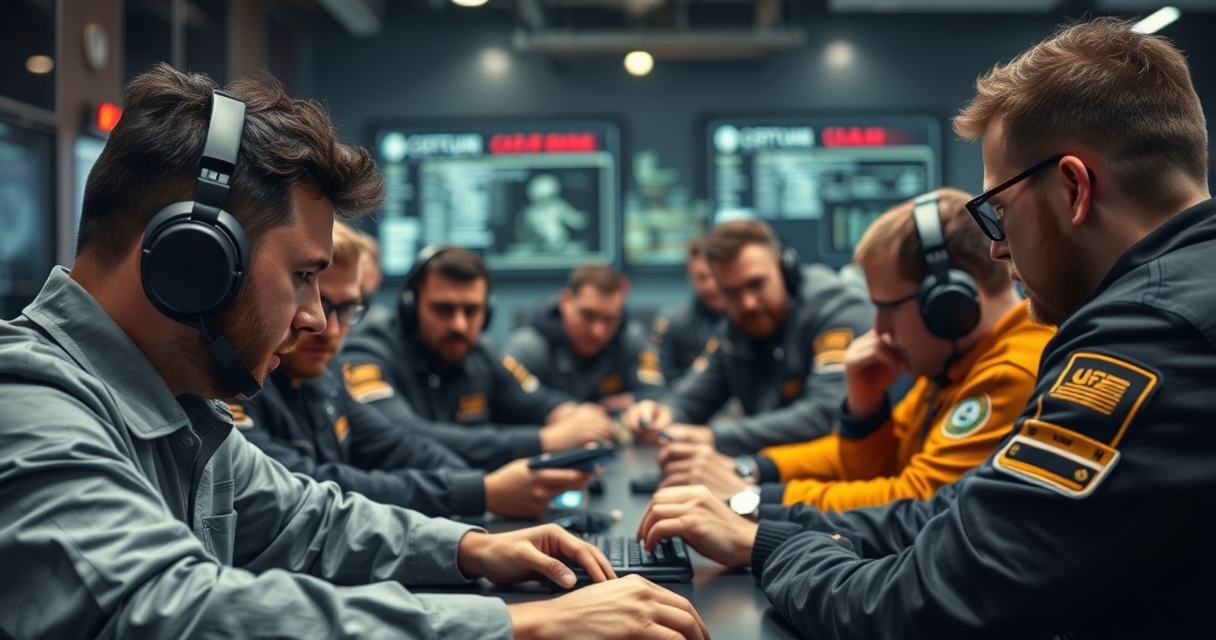
Internet stability is another critical factor. A wired connection is always preferable to Wi-Fi, and clans should test their setup with a speed test that simulates the latency and packet loss they might experience during the tournament. Some organizers provide specific requirements for internet speed and stability, and clans should ensure they meet or exceed these standards. It is also a good idea to have a backup plan in case of connectivity issues. This might include a mobile hotspot or a secondary internet service provider. In addition to technical readiness, clans should plan their travel and accommodation logistics. If the tournament is held in person, the team should arrive at the venue with plenty of time to spare. This allows for a smooth check-in process and time to acclimate to the environment. For online tournaments, clans should ensure that their practice space is free from distractions and interruptions.
Beyond hardware and internet, clans should also prepare for the physical and mental demands of the tournament. This includes managing sleep schedules, nutrition, and hydration. A player who stays up late the night before a tournament or skips meals during a long day of matches is unlikely to perform at their best. Many clans adopt a pre-tournament routine that includes a consistent sleep schedule, balanced meals, and light exercise to keep energy levels high. Some teams even work with nutritionists or sports psychologists to optimize their performance. The goal is to create an environment where players can focus solely on the game without being distracted by external factors.
Handling Pressure and Mental Preparation
The difference between a good clan and a great one often comes down to their ability to perform under pressure. Tournaments are high-stakes environments where emotions can run high, and even the most skilled players can crumble if they are not mentally prepared. One of the most effective ways to handle pressure is through simulation. Clans should practice in conditions that mimic the stress of a live tournament. This might include playing scrims with a live audience, imposing strict time limits, or even introducing consequences for losing, such as mandatory extra practice sessions. The goal is to normalize the experience of playing under pressure so that it feels familiar when the real thing arrives. Many teams also use visualization techniques to prepare for high-pressure moments. This involves mentally rehearsing specific scenarios, such as clutch situations or overtime rounds, and imagining themselves executing flawlessly.
Communication is another critical aspect of mental preparation. Players should feel comfortable expressing their thoughts and emotions, both positive and negative. A clan that fosters an open and supportive environment is more likely to handle pressure effectively. This includes encouraging players to take breaks when needed and avoiding toxic behavior such as blaming or shaming teammates. Coaches and leaders play a key role in maintaining a positive atmosphere. They should be attuned to the team’s emotional state and intervene when necessary to keep morale high. Some clans also use mindfulness or breathing exercises to help players stay calm and focused. These techniques can be particularly useful during tense moments in a match, such as a close round or a critical team fight.
Finally, clans should have a plan for handling setbacks. Every team will face adversity at some point, whether it is a string of losses, a controversial referee decision, or a technical issue. The key is to respond constructively rather than letting frustration spiral out of control. This might involve taking a short break to regroup, reviewing the situation objectively, or focusing on the next match rather than dwelling on the past. A team that can bounce back from setbacks quickly is more likely to perform well in the long run. This resilience is built through experience and a willingness to learn from mistakes. Clans that treat every loss as an opportunity to improve, rather than a reason to give up, will develop the mental toughness needed to succeed in high-pressure environments.

Ever since I built my first gaming PC in high school, I’ve been obsessed with the social side of multiplayer games and the bonds formed within competitive clans. I spend my weekends coordinating strategies and exploring how digital communities thrive, focusing on teamwork over individual stats. My goal is to share stories that bring players together and highlight the true camaraderie found in virtual worlds.