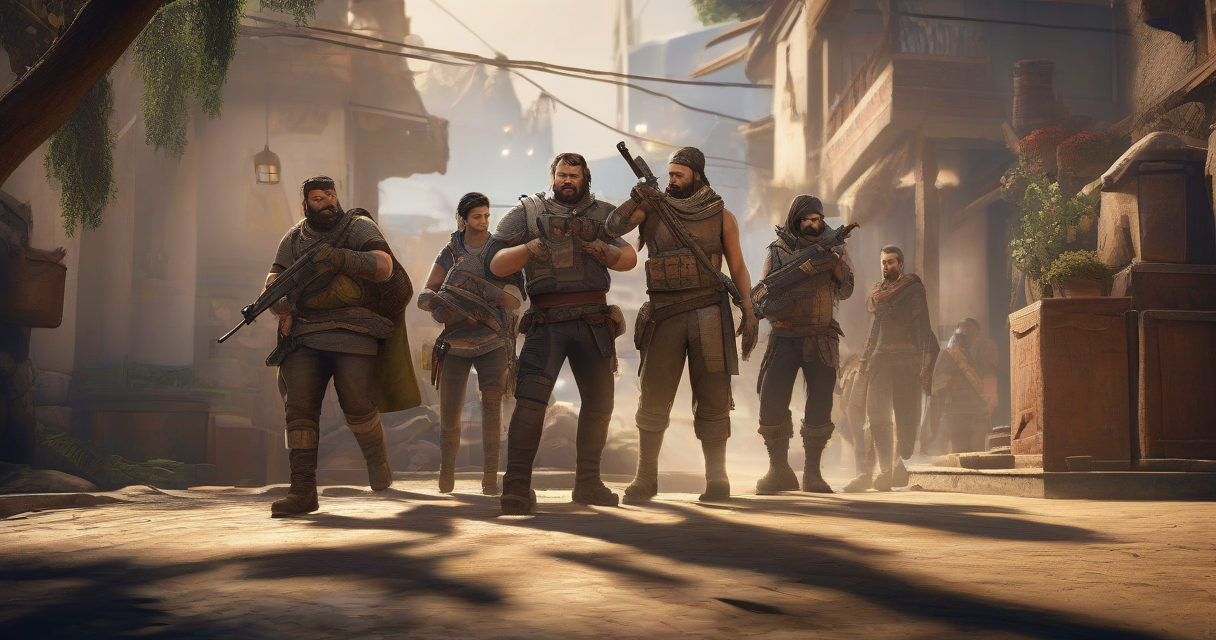
Creating a thriving gaming clan or community requires more than just shared interests in computer games. One of the most effective ways to foster loyalty, increase interaction, and build a sense of belonging is by organizing engaging gaming community events. These events serve as a platform where members can connect beyond regular gameplay, build friendships, and contribute to the community’s growth. This guide breaks down the essential steps for successfully engaging members through events in gaming communities, ensuring your clan or group stays active and vibrant.
Understanding Your Community’s Interests and Needs
The foundation of any successful gaming community event lies in knowing your members’ preferences and motivations. Before planning, gather insights about your clan’s favorite game genres, playstyles, and availability. Conduct informal polls or discussions on your community’s voice chat or forum to identify what types of events excite members most. For example, some clans thrive on competitive tournaments, while others prefer cooperative raids or casual social meetups. Tailoring events to these interests ensures higher participation and enthusiasm.
Additionally, consider the skill levels and time zones of your members. A competitive tournament might alienate casual players, so balancing event types can accommodate everyone. Understanding your community’s needs helps you avoid common mistakes such as scheduling events at inconvenient times or choosing formats that exclude significant portions of your members.
Setting Clear Objectives for Gaming Community Events
Every event should have a clear purpose that aligns with your clan’s goals. Whether the aim is to boost member retention, recruit new players, or celebrate milestones, defining objectives guides the planning process and sets expectations. For instance, a tournament might aim to showcase top players and spark friendly rivalry, while a casual game night focuses on social bonding.
Clear objectives also help measure the success of your gaming community events. After an event concludes, review attendance, engagement levels, and feedback to determine if your goals were met. Setting objectives upfront prevents drifting into unfocused or repetitive activities that fail to keep the community energized.
Planning and Organizing the Event Logistics
Once you understand your community and objectives, the next step is detailed planning. Choose a date and time that maximizes member availability, and select the appropriate platform for the event, such as Discord for voice communication or a game’s built-in tournament system. For larger events, consider additional tools like brackets for tournaments or event management bots to streamline operations.
On the Fleet channel, they explain how to set up your community right—you can watch it right here.

Communicate clearly and early about event rules, format, and expectations. Provide a schedule and any necessary instructions well in advance to minimize confusion. Assigning moderators or event hosts from within the clan can improve coordination and help maintain order during the event. Remember, smooth logistics contribute significantly to member satisfaction and willingness to participate in future gaming community events.
Promoting the Event to Maximize Participation
Even the best-planned event won’t succeed without effective promotion. Use all available communication channels within your gaming community, such as clan forums, social media groups, and voice chat announcements, to spread the word. Craft engaging messages that highlight the event’s value, such as prizes, leaderboard recognition, or unique gameplay experiences.
Consider creating eye-catching visuals or countdown posts to build anticipation. Incentivize early sign-ups or create team-based events that encourage members to invite friends. Consistent reminders as the event approaches help keep it top-of-mind and increase attendance. Strategic promotion is key to turning your planned gaming community events into active, well-attended gatherings.
Executing the Event with Engagement and Flexibility
On the day of the event, focus on creating an enjoyable atmosphere where members feel welcomed and involved. Start with a brief introduction or icebreaker to set a positive tone. Throughout the event, encourage communication and sportsmanship, and address any technical issues promptly. Keeping the event flowing smoothly requires flexibility, such as adjusting schedules if many participants face connectivity problems or extending playtime if members are highly engaged.
In competitive settings, recognize achievements with shoutouts or digital rewards to motivate participants. For casual events, foster inclusive conversations and teamwork. The quality of the event experience greatly influences members’ perceptions of your community and their desire to stay active.
Gathering Feedback and Analyzing Results
After the event, collect feedback through surveys or chat discussions to understand what worked and what could improve. Ask specific questions about event timing, format, communication, and overall enjoyment. This input is invaluable for refining future gaming community events and avoiding repeated mistakes.

Analyze participation metrics such as number of attendees, active chat engagement, and event duration to measure success against your initial objectives. Sharing a summary of the event’s highlights and feedback with the community demonstrates transparency and encourages ongoing involvement. A feedback loop shows members their opinions matter and helps sustain a positive community culture.
Building on Success: Creating a Sustainable Event Calendar
Consistency is essential for maintaining momentum in any gaming clan or community. Use insights from past events to develop a recurring event calendar that balances competitive and casual activities. Regularly scheduled gaming community events create anticipation and structure, helping members plan their participation and feel connected regardless of their play frequency.
Vary event types to keep the experience fresh and inclusive, and don’t hesitate to experiment with new formats based on trending games or member suggestions. A well-maintained event calendar signals an active, organized community that values its members, which in turn attracts new players and strengthens clan identity.
Ever since I built my first gaming PC in high school, I’ve been obsessed with the social side of multiplayer games and the bonds formed within competitive clans. I spend my weekends coordinating strategies and exploring how digital communities thrive, focusing on teamwork over individual stats. My goal is to share stories that bring players together and highlight the true camaraderie found in virtual worlds.