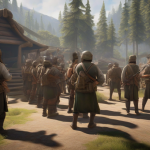

Understanding Clan-Based Progression Systems in Gaming
Clan-based progression systems have significantly transformed the landscape of multiplayer gaming, allowing players to engage in cooperative gameplay while enhancing their gaming experience. These systems integrate various elements of teamwork, strategy, and competition, enabling clans to grow and develop collectively. In this article, we will explore the intricacies of clan-based progression systems, their benefits, challenges, and examples from popular games, all while keeping within the context of gaming clans and communities.
The Concept of Clan-Based Progression
At its core, a clan-based progression system is designed to reward collaborative efforts among players who form a clan or guild. Unlike traditional individual progression, where players advance based solely on their personal achievements, clan progression emphasizes collective goals and accomplishments. This system often includes shared resources, experience points, and unique rewards that can only be unlocked through clan activities.
In many games, clans can achieve different levels or tiers based on their collective performance in various activities, such as completing quests, winning battles, or participating in special events. This tiered approach encourages players to work together, strategize, and communicate effectively, fostering a sense of community and belonging.
Types of Clan Progression Systems
Clan-based progression systems can take various forms, depending on the game’s mechanics and objectives. One common type is the experience point (XP) system, where clans earn XP by completing tasks or winning matches. As clans accumulate XP, they can level up, unlocking new features, abilities, or cosmetic items that enhance their gameplay experience.
On Jacob Clashes they explain early game strategies for Clash of Clans—watch it right here.
Another popular model is the resource-sharing system, where clans pool their resources to upgrade their collective capabilities. This could include shared currency, materials for building structures, or even special items that can only be utilized by clan members. By working together to gather and manage resources, clans can create a stronger foundation for their members, ultimately leading to greater success in the game.
The Benefits of Clan-Based Progression
Clan-based progression systems offer numerous benefits, both for individual players and the gaming community as a whole. Firstly, these systems promote teamwork and collaboration, allowing players to build meaningful relationships and friendships within their clans. The social aspect of gaming is often cited as a key motivator for players, and clan progression enhances this by creating shared goals and experiences.

Moreover, these systems can lead to increased player retention. When players feel a sense of belonging and accomplishment within their clan, they are more likely to continue playing the game. This loyalty can also extend to the game itself, boosting community engagement and creating a vibrant ecosystem of players who support one another.
Challenges of Clan-Based Progression Systems
Despite their many advantages, clan-based progression systems are not without challenges. One significant issue is the potential for imbalance between clans. In some cases, clans with highly skilled players may dominate, making it difficult for newer or less experienced clans to progress effectively. This can lead to frustration among players and may discourage them from participating in clan activities.
Additionally, the reliance on teamwork can sometimes create pressure on individual players, especially if they feel their performance is directly impacting the clan’s success. This can lead to toxicity within clans, where some members may blame others for failures or lack of contributions. Developers must find ways to balance these systems to ensure that all players feel valued and included, regardless of their skill level.
Examples of Successful Clan-Based Progression Systems
Several games have successfully implemented clan-based progression systems, demonstrating how effective they can be in enhancing player engagement. One notable example is “Clash of Clans,” where clans can donate troops, participate in clan wars, and earn clan XP. The clan’s level determines the perks available to its members, encouraging players to actively contribute and engage with one another.
Another example is “Destiny 2,” which features clan-specific milestones and rewards. Clans can complete weekly challenges to earn XP and unlock unique rewards, such as exclusive gear and emblems. This system not only promotes teamwork but also allows players to showcase their clan’s achievements within the broader community.
Implementing Effective Clan-Based Progression Systems
For developers looking to implement or improve a clan-based progression system, several best practices can enhance its effectiveness. First, it is crucial to establish clear goals and objectives that encourage players to work together. This could involve creating challenges that require collaboration or introducing time-limited events that incentivize participation.

Transparency is also vital. Players should clearly understand how their contributions impact the clan’s progression. Providing regular updates on clan performance, such as leaderboards or progress trackers, can foster a sense of accountability and motivation among members.
The Future of Clan-Based Progression Systems
As gaming continues to evolve, so too will clan-based progression systems. With advances in technology and game design, we can expect to see more intricate and engaging systems that further enhance player interaction. Features such as cross-platform play, real-time collaboration tools, and enhanced social features are likely to play a significant role in the future of these systems.
Moreover, as gaming communities grow more diverse, developers will need to consider inclusivity in their progression systems. Ensuring that all players, regardless of skill level, can find value and enjoyment in clan activities will be essential for maintaining a healthy and thriving gaming community.
Conclusion
Clan-based progression systems have reshaped how players engage with multiplayer games, emphasizing teamwork, collaboration, and community. While they present certain challenges, the benefits of fostering social connections and enhancing player retention are undeniable. By focusing on effective implementation and ongoing innovation, developers can create rewarding experiences that resonate with players and strengthen the bonds within gaming clans.

Ever since I built my first gaming PC in high school, I’ve been obsessed with the social side of multiplayer games and the bonds formed within competitive clans. I spend my weekends coordinating strategies and exploring how digital communities thrive, focusing on teamwork over individual stats. My goal is to share stories that bring players together and highlight the true camaraderie found in virtual worlds.