
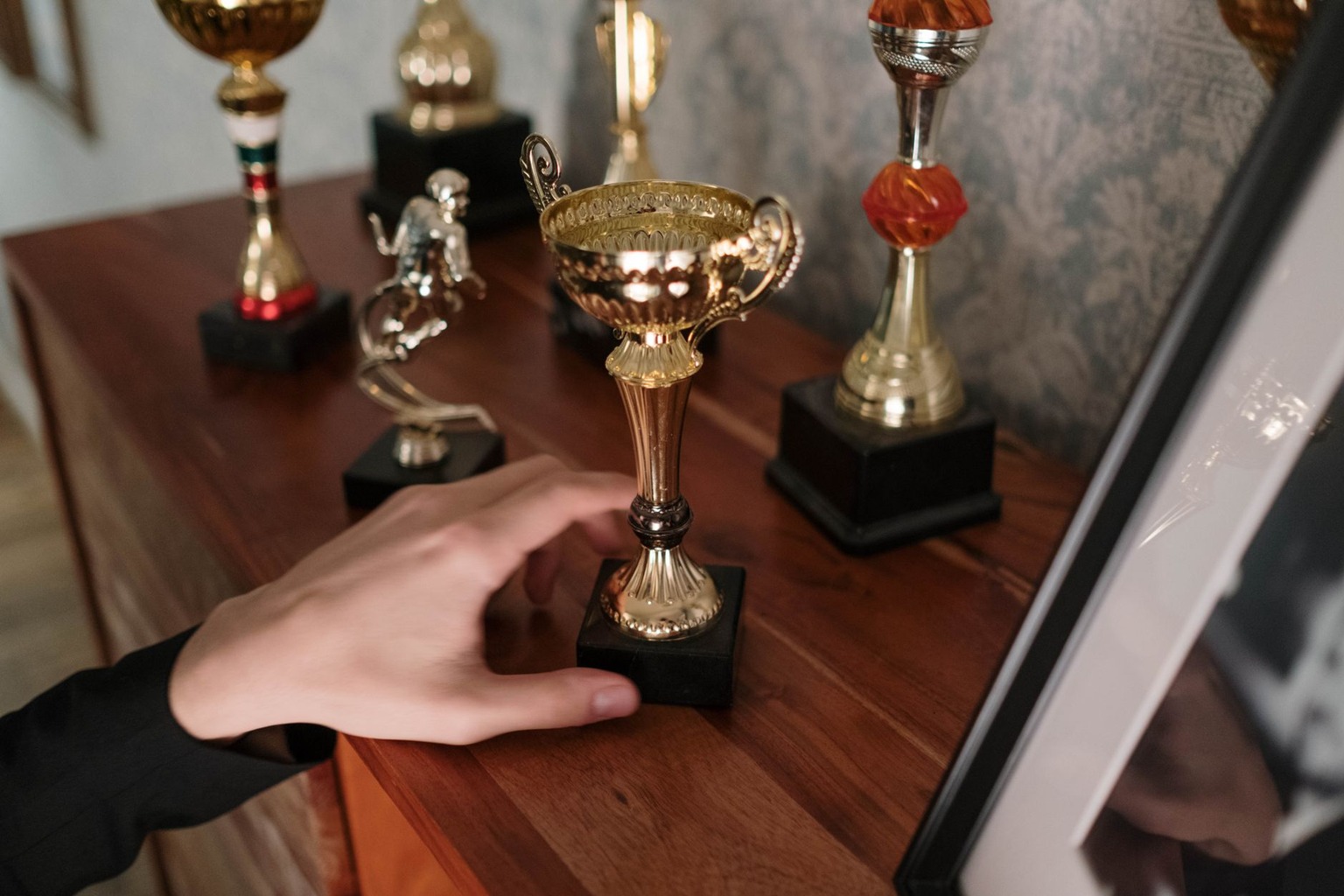
Competitive multiplayer games test not only raw mechanical skill and tactical preparation, but also the inner fortitude required to perform under intense pressure, meaning that mental resilience in competitive gaming clans determines who hoists the trophy and who falters. While thousands of squads possess brilliant aim and deep playbook knowledge, only the elite rosters maintain their composure when a crucial match slips away in overtime. Sports psychologists and performance researchers consistently note that emotional regulation separates dominant organizations from temporary contenders. This psychological edge does not appear overnight through random matchmaking, but develops intentionally through structured routines, honest post-match reviews, and collective accountability. Understanding how top communities build this inner strength reveals the stark differences in how distinct squads approach high stakes competition.
Individual Stress Management Versus Collective Emotional Regulation
Every player brings a unique set of personal triggers and emotional thresholds to a team voice channel, making individual stress management a foundational pillar for any roster aiming at the top tiers. When a star rifler loses a crucial duel or a support player misses a game-winning utility throw, panic can cascade across the entire roster in seconds. Elite squads counter this vulnerability by teaching members how to reset their physiological state through controlled breathing and brief moments of tactical silence. Rather than letting frustration build into shouting matches, successful groups rely on established communication protocols that prioritize actionable information over emotional venting. This balance ensures that personal panic never metastasizes into a team-wide collapse during crucial tournament moments.
Shifting focus from single-player meltdowns to collective emotional regulation requires a shared vocabulary and mutual trust that takes months to forge in regular scrimmages. Top organizations treat emotional outbursts as mechanical errors rather than personal failures, analyzing them with the same clinical detachment they apply to bad positioning or missed shots. Чтобы команда уверенно справлялась с ошибками, важно внедрять специальные тренировочные режимы, которые развивают у игроков стойкость и командную синхронизацию. Players learn to absorb pressure for their teammates, stepping up with calm callouts when a colleague starts showing signs of tilt. This collective safety net allows everyone to play with confidence, knowing a temporary slump will not result in toxic finger-pointing or immediate benching.
Reactive Blame Culture Versus Proactive Accountability Frameworks
Toxic organizations often default to a reactive blame culture where players hunt for scapegoats the exact second a map ends in defeat. In these fragile environments, the chat log fills with complaints about teammate positioning, bad matchmaking algorithms, or unfair game balancing. Such squads trap themselves in an endless loop of stagnation because fear of making mistakes paralyzes their decision-making in future rounds. Psychological research in high-performance team dynamics shows that penalizing mistakes creatively destroys initiative and breeds defensive playstyles. Players in these environments spend more energy covering their tracks than making the aggressive plays needed to win tough rounds.
In stark contrast, dominant communities implement proactive accountability frameworks that turn every defeat into an objective diagnostic session. Captains and coaches guide their rosters through demo reviews with zero emotional charge, treating every missed objective as system feedback rather than a moral failing. Members of these resilient groups actively volunteer their own errors before anyone points fingers, fostering an environment of radical honesty. This cultural shift transforms pressure from a terrifying burden into a welcomed challenge, as players know their peers will support them through the recovery process. Establishing this level of trust takes rigorous discipline, but it remains the primary driver behind the longevity of championship rosters.
Short-Term Tilt Control Versus Long-Term Burnout Prevention
Managing the immediate frustration of a lost round is vastly different from sustaining motivation over an arduous six-month tournament circuit. Short-term tilt control involves quick mental resets between rounds, using tools like tactical timeouts, water breaks, and positive reinforcement to break negative feedback loops. Top clans train their members to compartmentalize failures instantly, treating the current round as a completely new game regardless of the previous scoreline. Without this immediate emotional compartmentalization, a single early mistake can snowball into a catastrophic twenty-minute match defeat that ruins the team’s tournament run.
On the Sam Martin – Peak Performance channel, they cover how to deal with performance anxiety, and you can watch it right here.

Simultaneously, long-term burnout prevention requires careful scheduling, mandatory time away from the screen, and transparent communication about mental fatigue. Organizations that push their rosters to grind fourteen hours a day without rest invariably experience psychological fractures and dramatic performance drops during LAN events. Recognized sports science authorities emphasize that cognitive endurance relies on adequate rest cycles just as much as physical stamina requires sleep. Successful leaders monitor player morale closely, proactively benching overworked members before exhaustion turns into resentment. Balancing these two temporal dimensions of stress ensures that a community stays competitive not just for one weekend, but across entire competitive years.
External Validation Dependence Versus Internal Mastery Motivation
Rosters that build their identity around public opinion and social media praise often experience devastating confidence crises after a single bad series on a major stream. When anonymous forum comments and analyst desk critiques dictate how players view their own skill, their mental fortitude collapses under the weight of expectations. These fragile communities chase fleeting hype instead of building sustainable tactical depth, leading to volatile performances that frustrate fans and sponsors alike. Psychological studies on competitive motivation consistently demonstrate that intrinsic drive produces far superior performance under pressure compared to extrinsic rewards.
Top-tier clans cultivate internal mastery motivation, where the primary benchmark for success is personal and collective improvement rather than community applause or trophy counts. Players in these environments focus relentlessly on refining their mechanics, perfecting utility setups, and executing team strategies with flawless timing regardless of the scoreboard. When external noise fades into the background, the pressure of a grand finals stage loses its paralyzing grip on the team’s nervous system. Members trust their internal preparation because they have validated their skills through thousands of hours of disciplined practice. This mindset turns high-stakes matches into exciting opportunities to execute their craft rather than terrifying trials of public worth.
Rigid Tactical Dogma Versus Adaptive Psychological Agility
Some squads rely entirely on complex predetermined strategies, believing that strict adherence to a playbook will protect them from the chaos of high-level competition. When an opponent disrupts their carefully rehearsed execution in the opening seconds of a round, these rigid groups frequently experience a complete psychological paralysis. Their inability to improvise under pressure stems from a fear of breaking the system, which amplifies their panic when things deviate from the expected script. Psychological flexibility turns out to be just as important as tactical preparation when facing unpredictable opponents on the global stage.

Elite organizations train their members to embrace chaos through adaptive psychological agility, viewing unexpected opponent moves as puzzles to be solved rather than disasters. When a primary strategy fails, resilient players pivot effortlessly to secondary plans without experiencing the emotional turmoil of ruined preparation. This flexibility requires deep mutual trust, as individuals must improvise while remaining confident that their teammates will read the new situation accurately. By decoupling their confidence from rigid plans, these top groups maintain calm execution even when matches devolve into chaotic, unpredictable brawls. That adaptability ultimately separates the permanent champions from the teams that only win when everything goes according to plan.
Hierarchical Fear Enforcement Versus Collaborative Leadership Empowerment
Traditional gaming communities often operate under a strict authoritarian model where an intimidating leader dictates every action and punishes disobedience with harsh public criticism. While this hierarchical fear enforcement can sometimes produce short-term discipline, it inevitably destroys creativity and crushes the emotional resilience of younger players. When members are terrified of making independent decisions due to fear of retribution, the entire squad becomes sluggish and predictable. Performance experts note that fear-based leadership activates defensive neurological responses that actively inhibit complex problem solving and quick tactical adaptation.
Modern championship organizations utilize collaborative leadership empowerment, distributing decision-making authority across multiple players and encouraging active input from every roster member. Captains in these resilient groups act as facilitators rather than dictators, fostering an environment where junior players feel confident calling out enemy positions or suggesting mid-round adjustments. This shared leadership model distributes the psychological burden of a match evenly across the entire team, preventing any single individual from feeling crushed by the weight of failure. When every member feels valued and heard, the community develops an unbreakable collective confidence that transcends individual slumps and tactical setbacks.

Ever since I built my first gaming PC in high school, I’ve been obsessed with the social side of multiplayer games and the bonds formed within competitive clans. I spend my weekends coordinating strategies and exploring how digital communities thrive, focusing on teamwork over individual stats. My goal is to share stories that bring players together and highlight the true camaraderie found in virtual worlds.