Community engagement in the realm of computer gaming is a dynamic and multifaceted endeavor, significantly enhanced by social platforms. These platforms serve as vital hubs where gamers connect, share experiences, and collaborate on various gaming-related activities. From forums and social media groups to streaming platforms, the ways in which gamers interact and engage with one another are continuously evolving. This article explores the importance of Clan reputation in online gaming through social platforms and community engagement.
The Role of Social Platforms in Gaming Communities
Social platforms have transformed how gamers communicate and build relationships within their communities. Traditional methods of interaction, such as in-person meetups or limited chat options in games, have largely been replaced by vibrant online spaces. Platforms like Discord, Reddit, and Facebook allow for real-time communication, fostering a sense of belonging and camaraderie among players. These platforms enable gamers to share tips, strategies, and content, which can enhance the overall gaming experience and create a more unified community.
Moreover, social media platforms facilitate the creation of dedicated groups or clans based on specific games or interests. This segmentation allows players to find like-minded individuals and cultivate deeper connections. For instance, clans centered around popular games like “Call of Duty” or “World of Warcraft” can establish their own identities, complete with unique branding, logos, and mission statements. This sense of identity is crucial for engagement, as it encourages players to participate actively and contribute to the community.
Enhancing Communication with Real-Time Interaction
One of the standout features of social platforms is the ability to engage in real-time communication. This is particularly beneficial during gameplay, as players can coordinate strategies, share immediate feedback, and celebrate victories together. For example, Discord has become the go-to platform for many gaming clans, providing voice channels for live discussions and text channels for sharing resources or announcements. This immediacy fosters a more interactive environment, where players feel connected and invested in each other’s progress.
Real-time interaction also extends to live streaming platforms like Twitch, where gamers can broadcast their gameplay while engaging with viewers through chat. This interaction creates a sense of community among viewers and streamers alike, as they can share insights, ask questions, and support each other. The ability to interact directly with content creators fosters loyalty and encourages viewers to become more involved in the community.
Content Creation and Sharing as a Community Activity
Content creation is a fundamental aspect of community engagement within gaming. Players often take to social platforms to share their experiences through videos, tutorials, and artwork. Platforms like YouTube and Instagram allow gamers to showcase their skills, share strategies, or simply entertain their audience. This user-generated content not only enriches the community but also serves as a valuable resource for others looking to improve their gameplay.
On the Discord channel, they explain the types of people who use Discord—you can watch it right here.
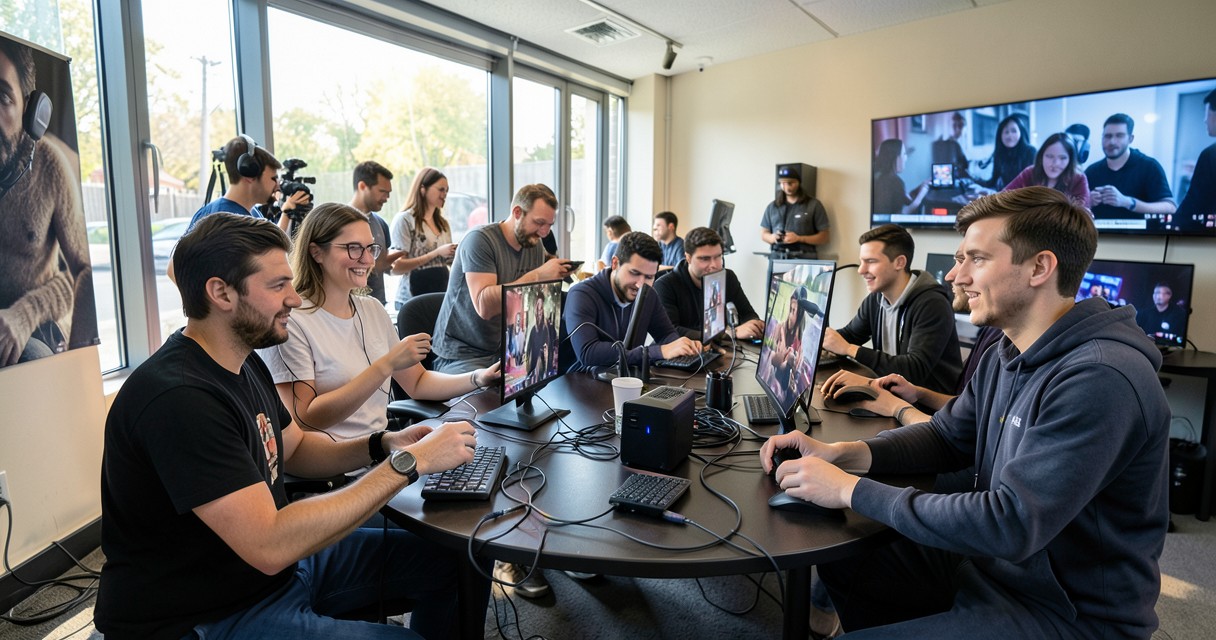
Furthermore, community-driven events, such as contests or challenges, can be organized on these platforms, encouraging participation and creativity. For instance, a gaming clan might host a fan art competition, where members submit their artwork based on a specific game. Such activities not only stimulate engagement but also reinforce community bonds as members support each other’s creative endeavors.
Building a Supportive Environment for Gamers
Social platforms play a critical role in fostering a supportive environment for gamers, especially those who may feel isolated or marginalized. By creating safe spaces where players can share their experiences, seek advice, or discuss challenges, these platforms contribute to a more inclusive gaming culture. For example, dedicated forums or groups for underrepresented gamers allow individuals to connect and share their stories, promoting empathy and understanding within the community.
Additionally, mental health awareness has become a significant topic within gaming communities. Many platforms have started initiatives to support players facing mental health challenges, providing resources and creating discussions around the importance of well-being. This focus on mental health not only strengthens community ties but also encourages players to look out for one another, fostering a culture of care and support.
The Impact of Gaming Events on Community Engagement
Gaming events, both online and offline, serve as major catalysts for community engagement. Events like eSports tournaments or gaming conventions bring players together, offering opportunities for networking and collaboration. These gatherings allow gamers to meet in person, share experiences, and even form lasting friendships. Social platforms play a vital role in promoting these events, providing updates and facilitating discussions among attendees prior to and during the event.
Online gaming events, such as virtual tournaments or charity streams, have gained popularity, especially in recent years. These events not only showcase competitive gameplay but also encourage community participation through donations or viewer interactions. The sense of unity experienced during these events can significantly enhance community engagement, as players come together for a common cause.
Challenges of Community Engagement on Social Platforms
Despite the numerous benefits of social platforms for community engagement, challenges also exist. Toxic behavior, harassment, and misinformation can undermine the positive aspects of community interaction. The Conflict between clans in online games has led to issues with toxicity, affecting engagement and participation among members. To combat these challenges, community leaders and platform moderators must actively enforce guidelines and foster a respectful environment.
Another challenge is the potential for fragmentation within communities. As more platforms emerge and gamers diversify their interests, it can become challenging to maintain a cohesive community. Players may gravitate towards specific platforms that cater to their interests, leading to a dilution of community engagement across the board. To mitigate this, gaming clans and communities should encourage cross-platform interaction, promoting inclusivity and collaboration among members regardless of their preferred social media outlet.
The Future of Community Engagement in Gaming
The Evolution of clan culture in PC gaming appears promising as technology continues to advance. Innovations in virtual reality and augmented reality may create new opportunities for immersive community experiences. Imagine attending a virtual gaming convention where players from around the world can interact in real-time, exploring virtual booths and engaging in live tournaments. Such advancements could revolutionize how communities connect and engage with one another.
Moreover, the integration of artificial intelligence in social platforms may enhance personalized experiences for gamers. AI could analyze player behavior and preferences, suggesting tailored content or connecting players with similar interests. This level of customization could lead to even deeper community engagement, as players feel more understood and valued within their communities.

Ever since I built my first gaming PC in high school, I’ve been obsessed with the social side of multiplayer games and the bonds formed within competitive clans. I spend my weekends coordinating strategies and exploring how digital communities thrive, focusing on teamwork over individual stats. My goal is to share stories that bring players together and highlight the true camaraderie found in virtual worlds.