

In the realm of online gaming, the concept of clan legacy and long-term goals is pivotal for fostering community, enhancing member engagement, and ensuring a clan’s survival and growth. Many players join clans not just for immediate gameplay benefits but to become part of something larger, an enduring legacy that transcends individual gaming sessions. This article explores various dimensions of clan legacy and long-term goals, comparing different approaches that clans can take to solidify their identity and purpose in the gaming world.
Defining Clan Identity
Clan identity is the cornerstone of any successful gaming community. It encompasses the values, principles, and culture that a clan embodies. Some clans opt for a competitive identity, focusing on achieving high ranks in tournaments and maintaining a reputation for skill. Others may prioritize a more casual identity, fostering a friendly environment where social interaction is as important as winning. Establishing a clear clan identity helps attract like-minded players, ensuring that the community is cohesive and aligned with shared goals. A clan that promotes inclusivity and fun can appeal to a broader audience, while a highly competitive clan may attract those seeking serious gameplay and achievements.
It’s essential for clans to periodically reassess their identity, especially as new members join and the gaming landscape evolves. A clan may begin as a casual group but find itself shifting towards a more competitive stance as its members grow in skill. This evolution can be both beneficial and challenging, requiring ongoing dialogue among members to ensure that the clan’s identity remains relevant and appealing to its members.
Setting Long-Term Goals
Establishing long-term goals is crucial for the sustainability of any clan. These goals can vary widely, from achieving a specific rank in a game to hosting community events or creating content for platforms like Twitch or YouTube. For example, a clan might aim to participate in a major tournament within a year, which would require strategic planning, recruitment of skilled players, and regular practice sessions. Such goals provide direction and motivation, helping members to stay engaged and invested in the clan’s success.
However, it’s important for clans to set realistic and attainable goals. Overly ambitious targets can lead to frustration and disengagement among members. Clans should consider breaking larger goals into smaller, manageable milestones. This approach not only makes the journey feel less daunting but also allows for celebrating achievements along the way, reinforcing the sense of community and shared accomplishments.
Maintaining Clan Engagement
Keeping clan members engaged over the long term is a challenge that requires consistent effort. Clans can implement various strategies to maintain interest and participation. Regular events, such as game nights, tournaments, or social hangouts, can keep the community active and encourage interaction among members. Creating a structured schedule for these events can help members plan their participation, ensuring that they remain connected to the clan.

Incorporating feedback mechanisms is another effective way to enhance engagement. Clans can create surveys or hold discussions to gather input from members about their experiences and preferences. This feedback can guide decision-making and ensure that the activities and goals remain aligned with the members’ interests. A clan that actively listens to its members fosters a sense of belonging and loyalty, which is vital for long-term retention.
Building a Legacy Through Mentorship
Mentorship is a powerful tool for building a clan’s legacy. Experienced players can take on mentorship roles, guiding newer members and sharing their knowledge. This practice not only enhances the skills of less experienced players but also strengthens the bonds within the clan. Mentorship programs can range from formal training sessions to casual advice during gameplay, providing a structured way for veterans to pass on their expertise.
Moreover, a strong mentorship culture can significantly enhance a clan’s reputation within the gaming community. Clans known for developing skilled players often attract new members who seek similar growth opportunities. Establishing a culture of mentorship can also ensure that the clan’s values and traditions are passed down, preserving its legacy over time. This investment in member development creates a self-sustaining environment where new leaders can emerge organically, ensuring the clan’s longevity.
Leveraging Technology for Community Building
In today’s digital age, technology plays a critical role in community building within gaming clans. Utilizing platforms like Discord, Reddit, or clan-specific websites can facilitate communication and foster relationships among members. These platforms can host discussions, share resources, and organize events, creating a vibrant online community that extends beyond in-game interactions.
Additionally, clans can leverage technology to create content that showcases their activities and achievements. Streaming gameplay or producing highlight reels can serve as both a marketing tool and a means to engage with the wider gaming community. This not only promotes the clan but also enhances members’ experiences by giving them a sense of pride in their participation and accomplishments. As technology continues to evolve, clans that embrace new tools and platforms can maintain relevance and attract new members.
Evaluating Success and Adapting Strategies
Regularly evaluating the success of a clan’s initiatives and strategies is essential for long-term growth. Clans should establish metrics to measure engagement, member retention, and achievement of goals. This could include tracking participation in events, monitoring the clan’s ranking in competitions, or assessing member satisfaction through surveys.
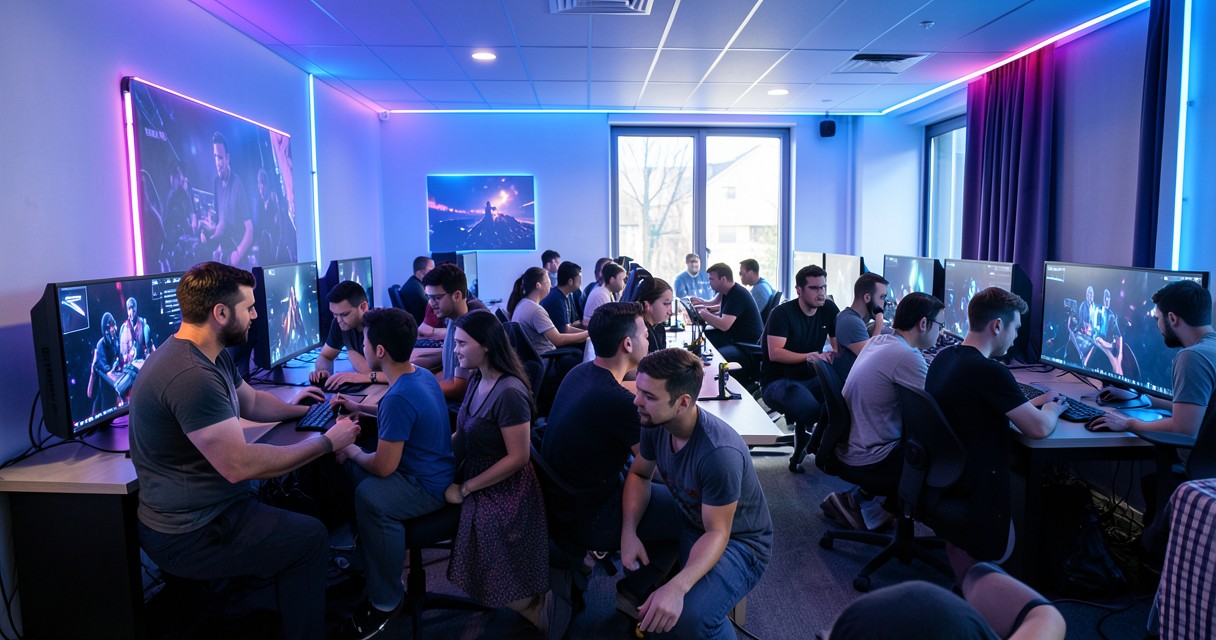
Based on these evaluations, clans can adapt their strategies to address challenges and capitalize on opportunities. For instance, if engagement drops during certain periods, the clan might introduce new activities or adjust the timing of events to better suit members’ schedules. A willingness to adapt and innovate is crucial for maintaining a vibrant and successful clan. Clans that are responsive to their members’ needs and the gaming landscape will likely have a more enduring legacy.
Fostering a Positive Clan Culture
The culture within a clan can significantly impact its legacy and long-term sustainability. A positive and inclusive culture encourages members to participate actively and feel valued. Clans that prioritize respect, sportsmanship, and collaboration create an environment where players can thrive, both individually and collectively. This culture should be established from the outset and reinforced through the actions and behaviors of all members.
Clans should also have clear guidelines on acceptable behavior and conflict resolution. Establishing a code of conduct can help prevent issues and ensure that all members understand the expectations. When conflicts arise, addressing them promptly and fairly is essential for maintaining trust and harmony within the community. A clan that successfully cultivates a positive culture will not only retain its members but also attract new players who are looking for a supportive environment.

Ever since I built my first gaming PC in high school, I’ve been obsessed with the social side of multiplayer games and the bonds formed within competitive clans. I spend my weekends coordinating strategies and exploring how digital communities thrive, focusing on teamwork over individual stats. My goal is to share stories that bring players together and highlight the true camaraderie found in virtual worlds.