In the dynamic world of computer games, strategy development in team-based games is a critical component that can determine the success or failure of a gaming experience. As players band together to tackle challenges, the importance of a well-structured strategy becomes increasingly clear. This article delves into the nuances of strategy development within team-based games, highlighting its significance, key elements, and practical approaches for gamers and clans alike.
Understanding Team Dynamics in Gaming
Team dynamics play a pivotal role in shaping the strategies employed in team-based games. Each player brings unique skills, strengths, and weaknesses to the table, which can greatly influence the overall gameplay. Effective communication is essential for synchronizing efforts and ensuring that all team members are aligned with the game plan. For example, in games like Overwatch or League of Legends, understanding each character’s abilities and how they complement one another can lead to a more cohesive strategy. Teams that prioritize text communication strategies often outperform those that do not, as they can adapt and respond to dynamic in-game situations more effectively.
Moreover, recognizing the roles of individual players is crucial. Each member must understand their responsibilities, whether as a tank, support, or damage dealer. This clarity helps in formulating strategies that leverage each player’s strengths while compensating for their weaknesses. For instance, a support player in a team might focus on healing and buffing allies, allowing damage dealers to unleash their potential without worrying about their health. Such role clarity fosters a more organized and efficient approach to gameplay.
Establishing Clear Objectives
Before diving into any game, teams must establish clear objectives that guide their strategy. These objectives can range from securing specific points on a map, defeating a particular enemy, or completing mission goals. Setting these goals not only provides direction but also helps in measuring the team’s progress. In games like Counter-Strike: Global Offensive, teams often strategize around objectives such as bomb planting or defusal, which significantly influences their gameplay approach. Consistently revisiting and adjusting these objectives based on in-game developments can lead to improved performance.
Additionally, having measurable objectives allows teams to analyze their gameplay after matches. By reviewing what worked and what didn’t, teams can refine their strategies for future encounters. This iterative process of setting, evaluating, and adjusting objectives is essential for continuous improvement and long-term success in competitive gaming.
Adapting Strategies to Opponents
Every team will face unique opponents, each with its own playstyle and strategies. Adapting to these differences requires mental resilience for competitive players in team-based games. Observing enemy tactics can provide insights into their strengths and weaknesses, allowing teams to formulate counter-strategies. For example, if an opposing team tends to cluster together, a team might decide to use area-of-effect abilities to exploit this weakness. This adaptability is a hallmark of successful teams and can often turn the tide of battle.
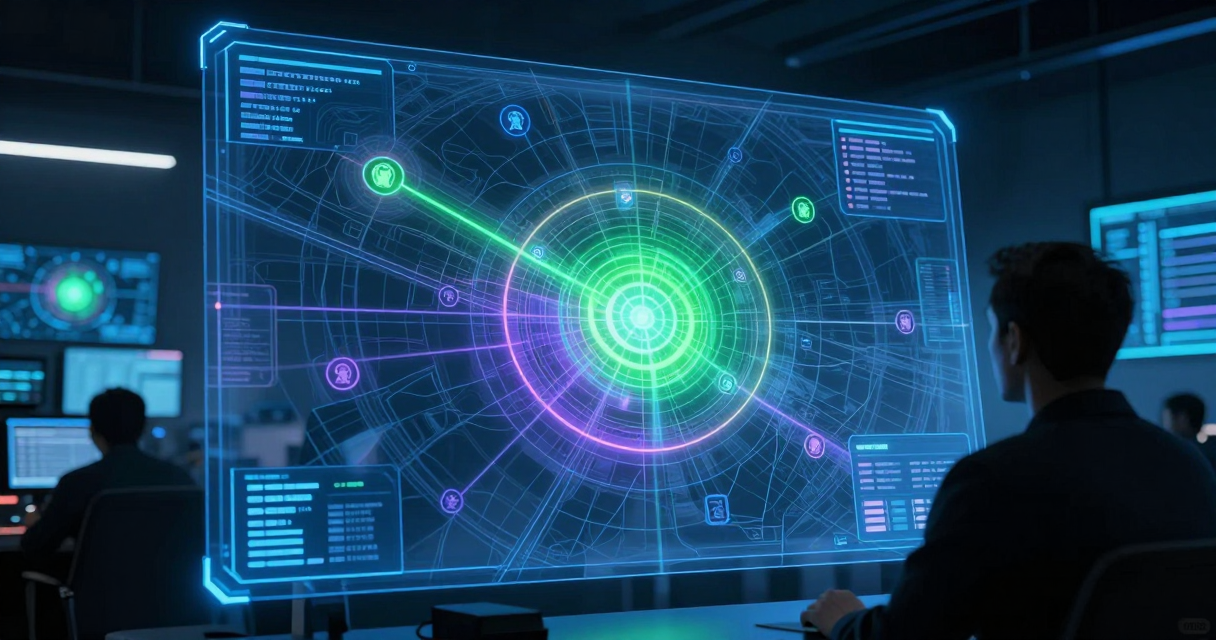
Moreover, scouting and gathering information about opponents can significantly enhance a team’s strategic planning. In games such as Rainbow Six Siege, where map knowledge and enemy positioning are crucial, teams that actively gather intelligence can outmaneuver their opponents. This proactive approach not only informs strategy but also instills a sense of confidence among team members, knowing that they are prepared for various scenarios.
Utilizing Tools and Resources for Strategy Development
In the modern gaming landscape, numerous tools and resources are available to assist teams in developing their strategies. From analytics software that tracks player performance to communication platforms that facilitate real-time discussions, leveraging these tools can enhance strategic planning. For instance, platforms like Discord allow teams to coordinate effectively during matches, ensuring that everyone is on the same page. This level of coordination can be the difference between victory and defeat.
Moreover, many games offer built-in training modes or tutorials that can help teams practice specific strategies. Engaging in scrimmages against other teams can also provide invaluable experience. This practice not only hones individual skills but also fosters teamwork and collaboration, which are essential for executing complex strategies in high-stakes scenarios.
Encouraging a Culture of Feedback and Improvement
Creating a feedback culture within gaming teams is essential for strategic development. Constructive criticism helps players understand their performance and identify areas for improvement. Teams that embrace this culture often see significant progress, as players feel empowered to share their thoughts and suggestions. Regular post-match discussions can facilitate this process, allowing team members to reflect on what worked and what did not. This practice can lead to more effective strategies in future matches.
Additionally, celebrating successes and learning from failures is vital. Acknowledging individual and team achievements fosters a positive environment that encourages players to strive for excellence. When team members feel valued and supported, they are more likely to contribute to strategic discussions and adopt new tactics, ultimately benefiting the team’s overall performance.
Long-Term Strategy Development and Clan Involvement
For gaming clans, the importance of teamwork is crucial for maintaining competitiveness in team-based games. Clans that follow practice schedules and invest time in developing cohesive strategies tend to perform better in tournaments and ranked play. This involves not only refining in-game tactics but also skill development within the gaming community among members. Regular clan meetings, training sessions, and strategy discussions can help foster a sense of unity and purpose.
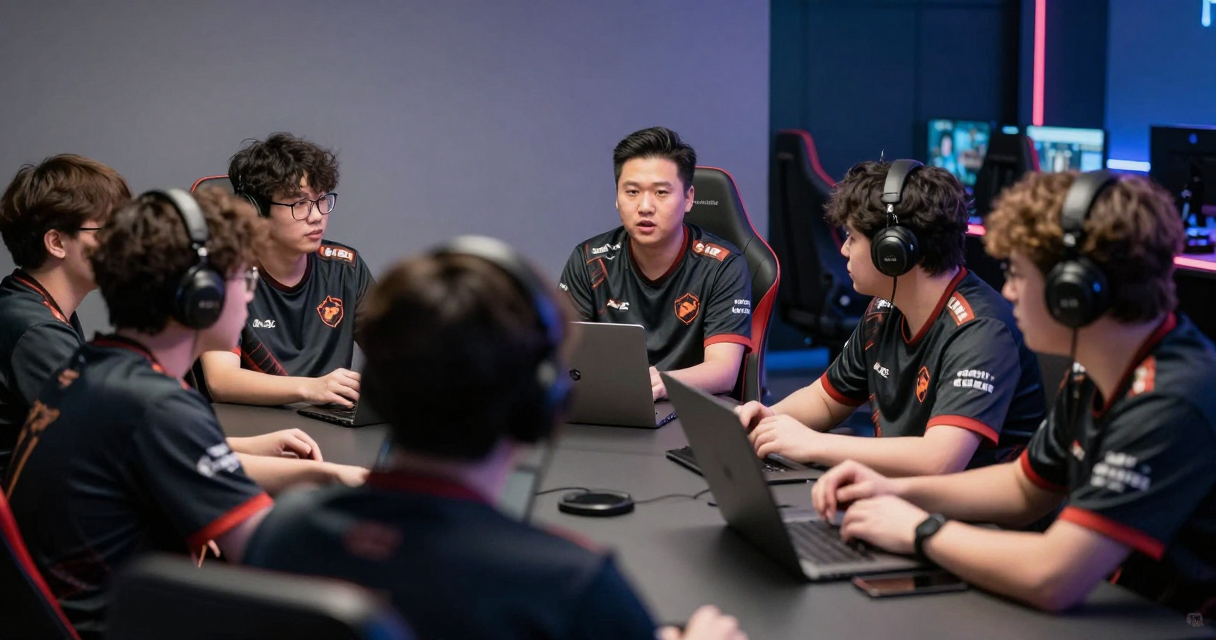
Moreover, clans can benefit from mentorship systems such as coaching or mentorship programs. Experienced players can provide insights into advanced strategies and help newer members understand the intricacies of teamwork. This investment in player development not only enhances the clan’s overall skill level but also strengthens the bonds between members, creating a more resilient and effective team.
Embracing the Evolving Nature of Strategy in Gaming
The gaming landscape is constantly evolving, with new games, updates, and meta shifts influencing strategies. Teams must remain adaptable and open to change to stay competitive. This means regularly reassessing strategies in light of new developments and being willing to experiment with fresh tactics. For instance, a team that successfully adapts to a new game mechanic or character can gain a significant advantage over their opponents who cling to outdated strategies.
Furthermore, staying informed about industry trends and community discussions can provide valuable insights into emerging strategies. Engaging with the broader gaming community through forums, social media, and online discussions can expose teams to new ideas and tactics. This willingness to learn and adapt is what keeps teams at the forefront of competitive gaming, ensuring they remain formidable opponents in any match.

Ever since I built my first gaming PC in high school, I’ve been obsessed with the social side of multiplayer games and the bonds formed within competitive clans. I spend my weekends coordinating strategies and exploring how digital communities thrive, focusing on teamwork over individual stats. My goal is to share stories that bring players together and highlight the true camaraderie found in virtual worlds.