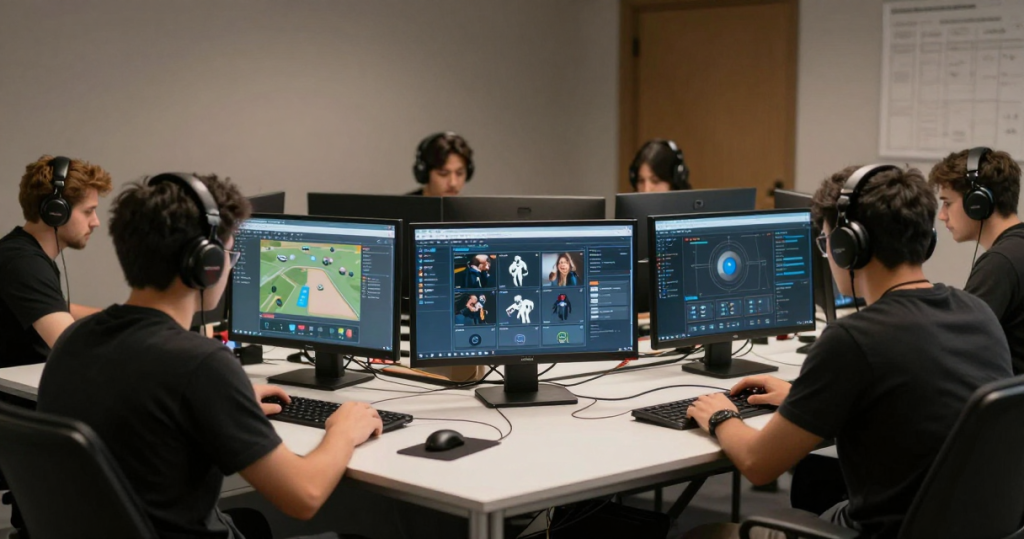
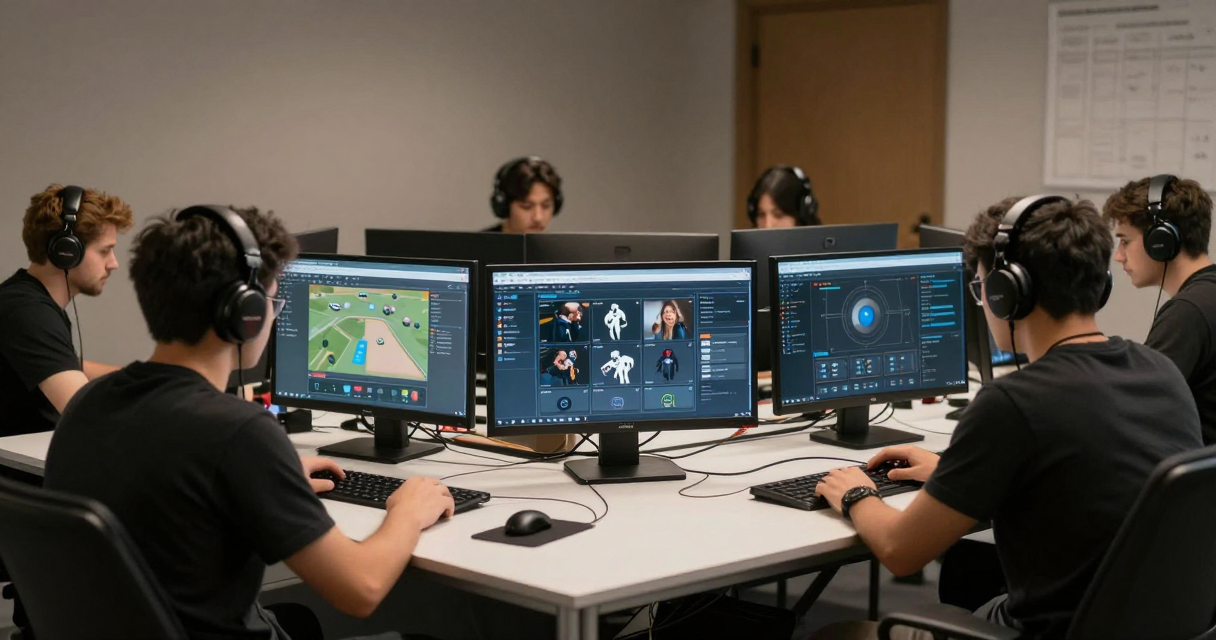
Understanding Coordination in Tactical Multiplayer Games
Coordination in tactical multiplayer games is a critical element that often dictates the success or failure of a team. Unlike casual gaming experiences, tactical multiplayer games require players to work closely together to achieve complex objectives. This collaboration can involve strategic planning, real-time communication, and the seamless execution of tactics. The need for coordination becomes even more pronounced in competitive environments where every decision can impact the outcome of the game. As such, mastering coordination is essential for players looking to excel in these immersive gaming experiences.
The Importance of Communication
Effective communication is the backbone of coordination in tactical multiplayer games. Players must share information about enemy positions, resource availability, and strategic intentions. This can be achieved through voice chat, text messaging, or in-game signals. In games like “Counter-Strike: Global Offensive” or “Rainbow Six Siege,” clear and concise communication can mean the difference between victory and defeat. Teams that utilize communication tools effectively can adapt to changing circumstances on the battlefield, ensuring that every member is aligned with the overall strategy. This real-time exchange of information fosters a sense of unity and purpose among players.
Role Specialization and Team Composition
In tactical multiplayer games, different characters or classes often have unique abilities and roles that contribute to the team’s overall strategy. Understanding these roles and how they complement each other is essential for effective coordination. For instance, in “Overwatch,” the synergy between tanks, damage dealers, and support characters can significantly influence gameplay. Teams that fail to balance their composition may find themselves at a disadvantage against well-coordinated opponents. By specializing roles and ensuring that each player understands their responsibilities, teams can execute more sophisticated tactics and enhance their chances of success.
On FR Gaming they explain how communication boosts teamwork—watch it right here.
Strategic Planning and Execution
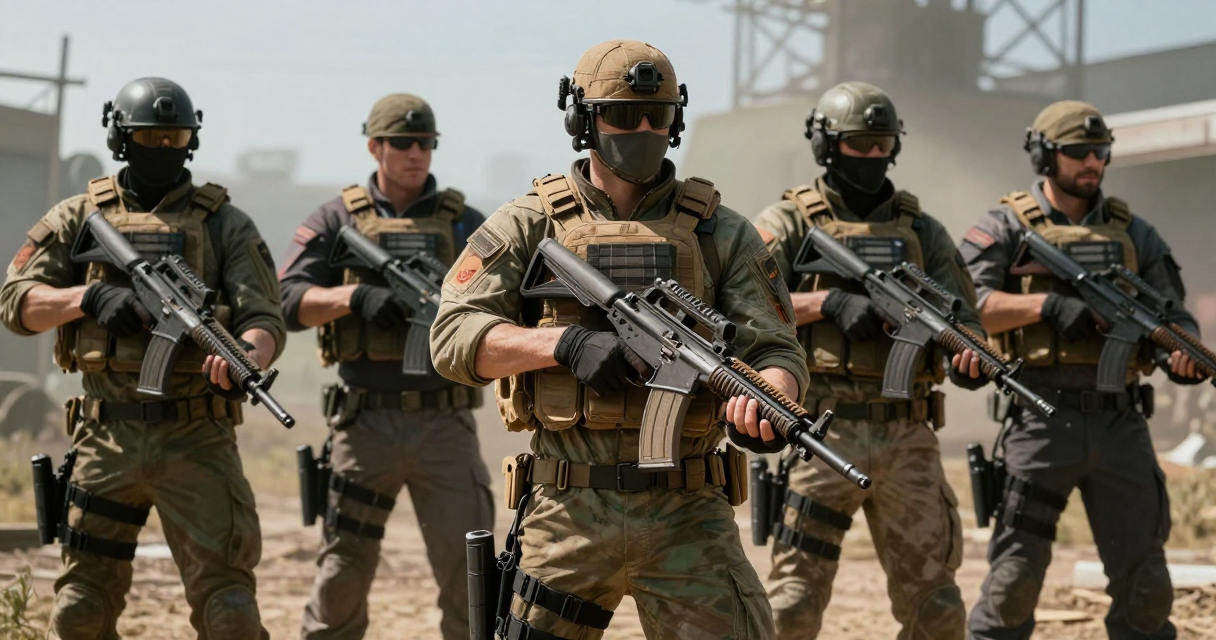
Coordination in tactical multiplayer games also involves strategic planning before the match begins. Teams often develop game plans that outline their objectives, preferred tactics, and contingency strategies. This preliminary planning allows teams to enter the game with a clear focus and a roadmap for achieving their goals. During the match, it becomes crucial to adapt these strategies based on the evolving dynamics of the game. Successful teams exhibit flexibility, adjusting their plans in response to enemy actions or unexpected challenges. This level of strategic coordination requires practice and deep understanding among team members.
Utilizing In-Game Tools for Coordination
Most tactical multiplayer games come equipped with various in-game tools designed to facilitate coordination. These tools can include map markers, tactical overlays, and ping systems that allow players to communicate vital information without the need for voice chat. For example, in “Apex Legends,” players can ping locations, enemies, or items, providing critical context to their teammates. Leveraging these tools effectively can enhance a team’s situational awareness and streamline communication, making it easier to coordinate movements and strategies during intense gameplay.
Practicing Coordination as a Team
Regular practice is essential for developing coordination in tactical multiplayer games. Teams that train together can refine their communication styles, develop trust, and strengthen their strategic execution. This can involve scrimmages, where teams simulate competitive scenarios, or dedicated training sessions focused on specific skills or tactics. By repeatedly practicing together, players can identify strengths and weaknesses, allowing them to make adjustments that improve overall performance. Moreover, building camaraderie through practice can enhance team morale and cohesion, which are vital for success in high-stakes environments.
Adapting to Opponent Tactics
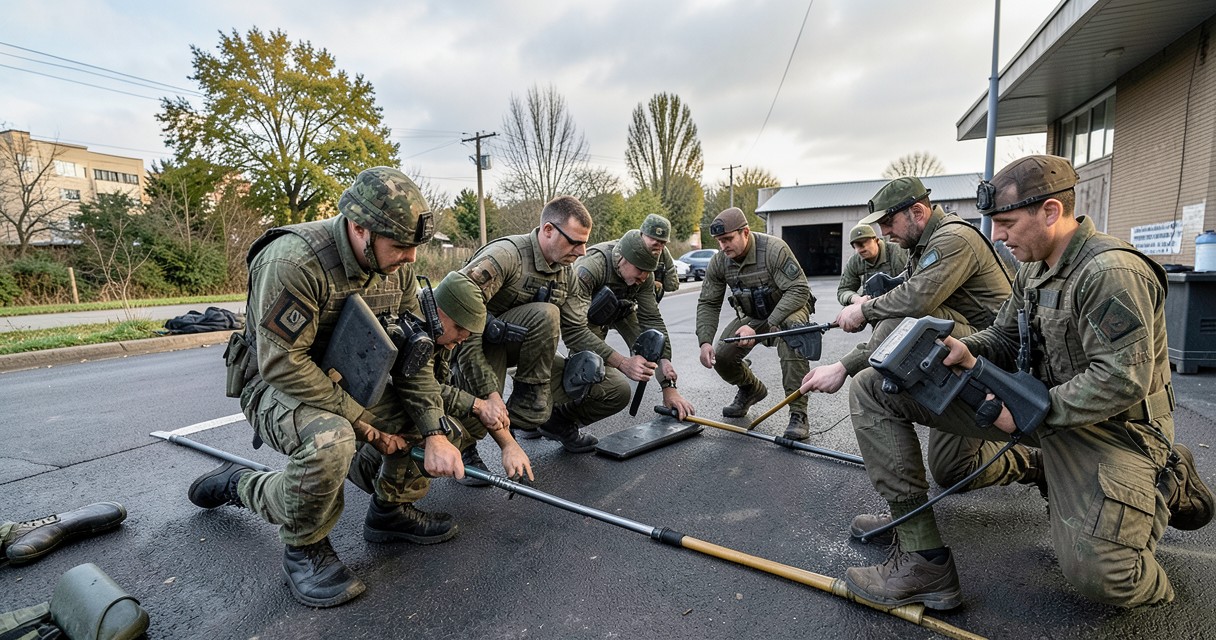
Coordination in tactical multiplayer games also requires teams to remain vigilant and adaptable to their opponents’ strategies. Observing enemy movements and tactics can provide valuable insights that inform a team’s response. For instance, if an opposing team frequently executes flanking maneuvers, a coordinated defense may be necessary to counteract this approach. The ability to read the game and adjust tactics accordingly is a hallmark of skilled teams. This adaptability not only enhances a team’s chances of winning but also fosters a deeper understanding of game mechanics and strategies.

Ever since I built my first gaming PC in high school, I’ve been obsessed with the social side of multiplayer games and the bonds formed within competitive clans. I spend my weekends coordinating strategies and exploring how digital communities thrive, focusing on teamwork over individual stats. My goal is to share stories that bring players together and highlight the true camaraderie found in virtual worlds.